What does “flat” mean?
What it means
"Flat" describes the structural integrity of a comic book. It means the comic has not sustained any permanent creases, folds, or warping that alters its original plane. This is not merely about being unbent; it refers to the paper's overall rigidity and flatness across the entire surface. A comic that is "flat" maintains its intended, smooth shape. The mainstream equivalent is excellent physical condition regarding structural integrity. Warping or cockling (uneven bubbling of the paper) counts against flatness.
What it does to price
Flatness is a fundamental component of the overall grade (e.g., VF/NM vs. Fine). A comic that is perfectly flat, especially when combined with sharp corners and clean spine lines, pushes the grade higher, often moving it from a mid-range grade to a high-end grade. A comic that is visibly warped, even if otherwise pristine, can drop a grade by half a letter (e.g., NM to VG), resulting in a significant price drop. For a mid-tier book, this difference can equate to a $50 to $150 difference in final sale price, depending on the book's rarity.
How to spot it
Spotting flatness requires close examination of the edges and the center panel. Look for subtle bowing or cupping, especially along the spine or top edge. A seller should provide high-resolution photos showing the entire front and back covers, ideally taken in bright, even lighting that reveals any subtle curvature. Common issues are shelf wear causing minor bends, or poor storage leading to warping from humidity. Fakes of this attribute are rare; usually, the issue is honest storage damage, not intentional misrepresentation.
Buying smart
Paying a premium for flatness is justifiable when the comic is rare, highly desirable, or already approaching a high grade (e.g., buying a book that is currently NM but is structurally perfect). If the comic is common or the price difference between a flat copy and a slightly warped copy is small (under 10% of the asking price), the premium is likely not worth the investment. A fair deal involves the premium being proportional to the risk reduction—a perfect flat copy should command a noticeable, but not exorbitant, premium over an otherwise identical, slightly warped copy.
Selling smart
Proving flatness in a listing immediately justifies a higher asking price. The single most effective element is a clear, well-lit photo of the comic lying flat on a neutral surface, showing no visible distortion. The word "Flat" or "Structurally Sound" in the description, backed by the photo, signals to serious buyers that the book has been stored professionally. This documentation moves the item from a "potential grade" to a "confirmed grade," allowing the seller to capture the top end of the market value for that specific book.
On eBay right now
Current asking prices from live listings — not sold-comp medians.

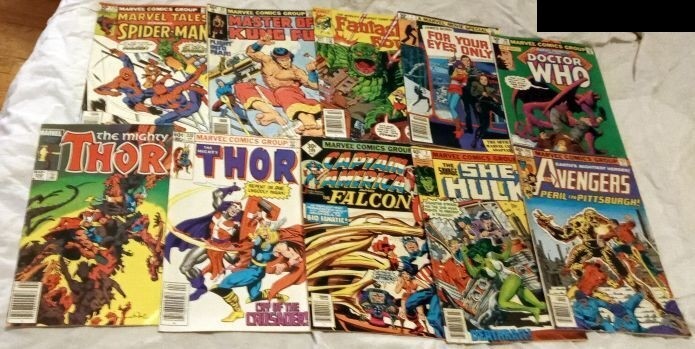


eBay links are affiliate links: JunkPal may earn a commission at no cost to you.