What does “fine grade” mean?
What it means
Fine grade is a specific numerical designation within the comic book grading scale, generally falling between VF (Very Fine) and NM (Near Mint). It signifies a comic in excellent, near-pristine condition, exhibiting only minor, expected wear commensurate with its age and handling. The book must possess structural integrity; spine lines should be tight, and the cover should show minimal rubbing or surface scuffing. Color saturation must remain strong, with no noticeable fading across the cover or interior pages. Interior pages should be clean, free from significant staining, foxing (age-related spotting), or major creases. It is a step above "Very Fine" and below "Near Mint."
What it does to price
The Fine grade places a comic firmly in the premium tier, commanding a significant price premium over lower grades. Generally, a Fine copy will fetch 1.8x to 3x the market value of a comparable, unrestored copy in the VF range, depending heavily on the comic's scarcity and demand. Factors pushing the price up include crisp corners and vibrant, unblemished color reproduction. Factors pulling the price down include minor spine roll or small, localized corner nicks. For example, a highly sought-after Silver Age title in Fine might sell for $80, whereas the same book in VF might sell for $35.
How to spot it
Inspection requires close examination of the four corners, the spine integrity, and the interior page edges. Look for evidence of creasing radiating from the spine; this is a common downgrade factor. Sellers must provide high-resolution photos of the cover front, back, and the spine. Ask specifically for close-ups of the page edges to verify the absence of spotting or discoloration. A common honest mistake is confusing "Fine" with "Very Fine"—VF often shows slightly more handling wear, such as more pronounced spine wear or minor cover abrasions that are not present in a true Fine copy.
Buying smart
Paying a premium for a Fine grade is justified when the comic is a high-demand, investment-grade title (e.g., key first appearances or high-grade Silver Age books). The premium is worth it when the difference between Fine and VF represents a substantial leap in market value. It is not worth the premium for low-demand, common titles, where the marginal increase in value does not cover the cost difference. A fair deal involves the asking price being within 15-25% of established market averages for graded Fine copies of that specific issue.
Selling smart
Proving the Fine grade status in a listing requires documentation, not just assertion. The single most valuable element to include is a high-resolution, well-lit photograph of the spine, clearly showing the tightness and lack of significant spine stress. If the comic is professionally graded (CGC/CBCS), the slab itself is the ultimate proof. If selling raw, use descriptive language like "Fine condition, tight spine, vibrant color" rather than just "Fine." This level of detail justifies the higher asking price by managing buyer expectations and demonstrating due diligence.
On eBay right now
Current asking prices from live listings — not sold-comp medians.

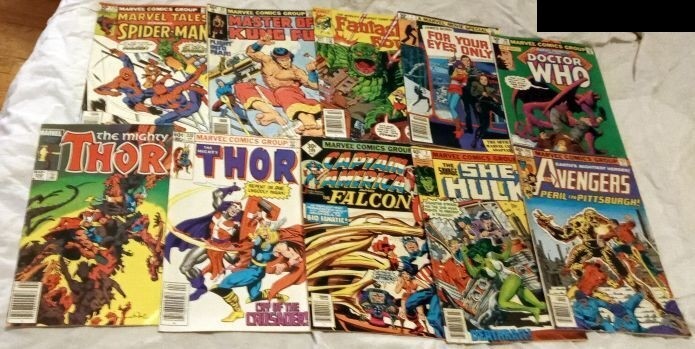


eBay links are affiliate links: JunkPal may earn a commission at no cost to you.