What does “edition run” mean?
What it means
Edition run defines the specific sequence or printing batch of a comic book. This is the mainstream equivalent of "print run" or "printing sequence." It differentiates between a standard, mass-market release and a limited, intentionally scarce production. A limited edition run means the publisher deliberately capped the number of copies made. The edition run dictates an issue's position within that scarcity—whether it is an early, mid, or final print.
What it does to price
Edition run scarcity is a direct multiplier on value. Issues designated as the first or last issue of a limited run typically command a 2x to 5x premium over standard issues of the same title, assuming comparable condition. A standard issue might sell for $15; the corresponding first issue of a limited run could easily fetch $45 to $75. Factors pushing value up include confirmed scarcity (e.g., "Limited to 1,000 copies") and high demand for that specific character or story arc. A low-tier, non-significant issue in a limited run might only see a 1.2x bump, whereas a key issue sees the higher end of the range.
How to spot it
Identifying an edition run requires specific evidence. Look for publisher inserts, special packaging, or specific numbering conventions (e.g., "Vol. 1/5"). Some publishers use specific paper stocks or printing plates that differ between runs. If the run is digital or promotional, the scarcity is often documented in press releases. Sellers must provide photos of any edition stamps or certificates of authenticity. A common mistake is mistaking a "special variant cover" (which is a printing variation) for a true, limited *edition run* issue.
Buying smart
Paying a premium for an edition run is justified when the issue is a known, historically significant milestone (e.g., first appearance, major crossover event) *and* the scarcity is verifiable. If the premium is solely for being "early" in a run with no inherent narrative importance, the premium is often inflated. A fair deal means the documented scarcity justifies at least a 2x multiplier over the comparable standard issue price. If the seller cannot definitively prove the limited nature of the run, the premium should be discounted by 30%.
Selling smart
Proving the edition run in a listing is the primary driver of premium pricing. The single most effective element is a clear, high-resolution photo of any edition marker, certificate, or specific printing detail that confirms the limited status. Using the exact terminology—"First Print Run Issue" or "Limited Edition Sequence 1/1000"—in the title and description immediately signals rarity to knowledgeable buyers. This documentation shifts the item from a standard collectible to a verified piece of limited production history, commanding the necessary price increase.
On eBay right now
Current asking prices from live listings — not sold-comp medians.

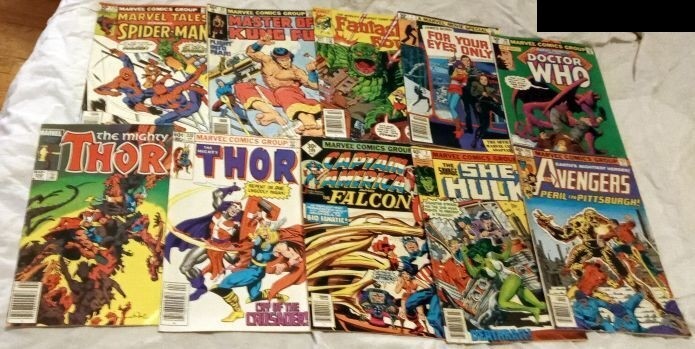


eBay links are affiliate links: JunkPal may earn a commission at no cost to you.