What does “dust jacket” mean?
What it means
The dust jacket (DJ) is the original, removable paper wrapping covering a comic book or graphic novel. In this collecting niche, it is not merely protective packaging; it is a primary determinant of the item's grade and market value. The DJ is a collectible component itself. When present, it is referred to as "Covered." If the jacket is missing, the book is referred to as "Uncovered" or "Loose." The condition of the jacket is assessed using standard grading scales (e.g., Near Mint, Fine, Good), and the jacket's condition often dictates the overall grade of the entire book, even if the interior pages are flawless.
What it does to price
The presence of a high-grade dust jacket provides significant, quantifiable value. A copy with a Near Mint (NM) DJ can typically command 1.5x to 3x the price of an identical, high-grade copy that is loose (no DJ). A comic with a DJ in Fair (F) condition might sell for 50-70% of the value of a copy with a Near Mint DJ. Conversely, a comic with a perfect interior but a severely torn or heavily creased DJ can see its value drop by 40% or more compared to a pristine example. For example, a key Silver Age book with a pristine DJ might sell for \$1,200, whereas the same book with a jacket showing heavy spine wear might only fetch \$750.
How to spot it
Identifying the DJ requires close inspection of the edges and seams. Look for the original printing, often featuring promotional art or specific edition markings on the front and back. Common honest mistakes include jackets that were poorly stored, causing "ring wear" or "shelf wear" along the edges, which lowers the grade significantly. A common fake is a later, non-original "reproduction jacket"; these are usually identifiable by paper stock differences, printing quality, or incorrect UPC/barcode placement if applicable. Always request high-resolution photos of the jacket’s spine and corners.
Buying smart
Paying a premium for a DJ is justified when the jacket is in Near Mint or Very Fine condition, especially for high-demand, key issues. If the jacket is present but in Poor or Fair condition, the premium may not be worth the risk; the book's value is already heavily discounted by the jacket's state. A fair deal involves the asking price reflecting the *grade* of the jacket, not just its presence. If a seller lists a book as "NM" but the jacket is clearly heavily creased, the price is inflated.
Selling smart
Proving the condition of the dust jacket is the single most effective way to maximize sale price. Listing photos must feature clear, well-lit shots of the jacket's front, back, and spine. Using specific terminology—such as "NM DJ" or "DJ Present, Minor Spine Crease"—sets accurate expectations. The word "Covered" in the title, coupled with clear photos showing the jacket's integrity, immediately places the item in a higher sales tier than an "Uncovered" listing, often generating a 25-50% price increase for comparable items.
On eBay right now
Current asking prices from live listings — not sold-comp medians.

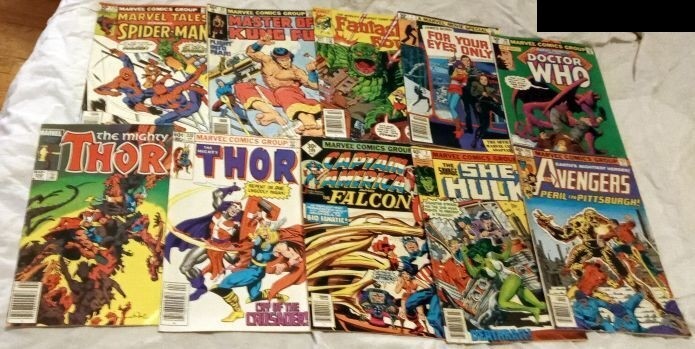


eBay links are affiliate links: JunkPal may earn a commission at no cost to you.