What does “direct edition” mean?
What it means
A direct edition is a comic book distributed through the "direct market," bypassing standard mass-market newsstand distribution. This means sales occur primarily through specialty comic shops, conventions, or direct online storefronts. Unlike newsstand copies, direct editions frequently carry specific markers: variant covers, limited print runs, or exclusive content not available elsewhere. The mainstream equivalent is a specialized, limited-run release, but the direct market context is key to its value.
What it does to price
Direct editions command a premium over standard newsstand copies. The multiplier depends heavily on the exclusivity level. A standard variant cover might fetch 1.2x to 2x the price of the newsstand equivalent. A true, limited-print, direct-market exclusive can see multipliers of 3x or higher, particularly for highly sought-after artist collaborations or key storyline issues. For example, a standard $3.99 issue might sell for $15-$25 as a direct edition variant, whereas the newsstand copy might only trade for $4-$6. Print scarcity is the primary driver of value increase.
How to spot it
The tells are specific. Look for specific variant numbering (e.g., "Variant Cover A," "Limited Edition Run"). Publishers often use specific barcodes or distribution codes on the back cover that differ from standard retail UPCs. When purchasing online, request high-resolution photos of the entire back cover, including any print information or copyright stamps. A common mistake is confusing a standard promotional cover with a true limited-run direct edition; always verify the specific variant code against known listings for that title.
Buying smart
Paying a premium is justified when the edition is tied to a significant event, a major artist debut, or a confirmed low print run. If the variant is merely a color change or a minor cover swap on a high-volume title, the premium is likely inflated and not worth the extra cost. A fair deal involves the listed premium matching the documented scarcity. If a seller claims "direct edition" but cannot provide verifiable proof of its limited nature, the purchase should be treated as a standard copy.
Selling smart
Listing must clearly identify the edition type. Using precise terminology—"Direct Market Exclusive," "Variant Cover #2," etc.—allows buyers to filter and target the correct audience. The single most valuable element in a listing is a clear, well-lit photo of the back cover showing the specific edition or variant marking. This proof validates the premium price. Vague descriptions lead to lowball offers; precise identification commands the higher market rate.
On eBay right now
Current asking prices from live listings — not sold-comp medians.


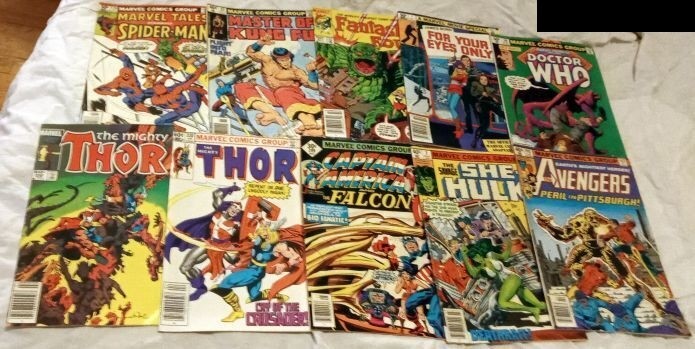


eBay links are affiliate links: JunkPal may earn a commission at no cost to you.