What does “color shift variance” mean?
What it means
Color shift variance is the unevenness in ink density or hue across a comic book. This is not simply fading; it is a measurable deviation in color saturation or tint from the intended printed standard. Causes include chemical reactions in the paper stock, inconsistencies in the printing press calibration during the original run, or environmental degradation (e.g., exposure to humidity or UV light) post-publication. In mainstream terms, this is a printing defect or paper aging artifact. For grading purposes, it is a specific form of visual imperfection that affects the book's overall aesthetic integrity.
What it does to price
Minor, uniform color shifts, often inherent to the printing process of older runs, are generally absorbed into the book's overall grade and do not significantly impact value unless they are extreme. Significant, localized color shifts—such as large patches of yellowing ink or severe magenta bleeding—are considered defects. A book with noticeable, distracting color variance, especially if it affects the cover art or key interior panels, can see a grade reduction of half a letter (e.g., from NM to VF). This reduction can translate to a 20-40% decrease in market value compared to a pristine example. For example, a high-grade key issue might sell for $1,000; if color shift variance drops it to a lower grade, the realized price could drop to $600-$800.
How to spot it
Spotting variance requires close inspection, preferably under consistent, neutral lighting. Look for gradients where solid colors should be uniform. Check the spine and corners first, as these areas often suffer the most from environmental stress. If purchasing online, demand high-resolution, flat-lay photos of the entire front, back, and a few interior pages showing dense color blocks. Honest mistakes are usually tied to specific print runs; extreme variance across an entire run suggests poor quality control. Fakes are rare regarding this specific defect, as it is a physical property of the paper and ink, not a forgery element.
Buying smart
Paying a premium for a copy with minor, consistent color variance is rarely justifiable unless the book is otherwise perfect (e.g., pristine centering, perfect spine). Acceptable variance is typically what is visible in high-grade copies already graded by major services. If the variance is severe enough to make the colors look "muddy" or patchy, the discount is warranted. A fair deal involves a price that reflects a grade reduction equivalent to the visual defect. If the book is priced as a high-grade example but shows obvious, distracting color shifts, the asking price is inflated.
Selling smart
Documenting color shift variance accurately protects the seller. If the variance is minor and consistent, list it as an inherent characteristic of the print run. If it is significant, photograph the affected areas clearly and list it explicitly in the description (e.g., "Note: Minor color shift variance present on interior pages"). This manages buyer expectations. For a high-value sale, providing a close-up photo illustrating the variance, coupled with a detailed note, can earn a premium from a knowledgeable buyer willing to accept the flaw for the book's overall condition, rather than losing the sale entirely due to undisclosed issues.
On eBay right now
Current asking prices from live listings — not sold-comp medians.

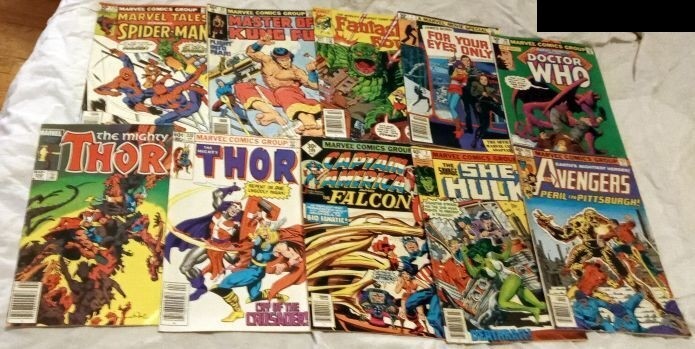


eBay links are affiliate links: JunkPal may earn a commission at no cost to you.