What does “color shift artifact severity” mean?
What it means
Color shift artifact severity describes the degree of unwanted color alteration within a comic book. This is not simply fading; it is a noticeable, often uneven, change in hue or saturation across the printed material. It manifests as yellowing, browning, magenta bleeding, or general discoloration that deviates from the original printing colors. The mainstream equivalent is color degradation or chemical aging. Severity is graded from negligible (minor, uniform shift) to severe (patchy, drastic hue changes). This artifact is a direct indicator of chemical instability within the paper or ink, usually stemming from poor environmental controls (UV exposure, humidity).
What it does to price
Color shift is a negative condition factor that directly reduces grade and market value. Minor, uniform shifts, often categorized as "slight toning," might result in a 5-10% price reduction compared to a pristine example. Moderate, noticeable shifts that affect key colors (e.g., bright reds turning dull orange) can drop value by 20-35%. Severe, patchy shifts often push a book out of higher-grade tiers, potentially resulting in a 50%+ depreciation against a comparable, color-stable copy. For example, a high-grade $500 book exhibiting severe, uneven color bleed might trade closer to $300.
How to spot it
Inspection requires bright, diffused light. Look for consistency; uniform aging is less damaging than localized spotting. Common tells include yellowing concentrated around the spine fold or ink bleeding into the paper fibers, often visible when the book is held up to a light source. Sellers should provide high-resolution, close-up images of the interior pages, not just the cover. A common mistake is confusing paper yellowing (acid migration) with true color shift (ink degradation). Genuine color shift is often visible even in the interior panels, whereas simple yellowing is usually paper-based.
Buying smart
Paying a premium for a comic with moderate to severe color shift is rarely justifiable unless the book is exceptionally rare or the shift is extremely minor and uniform. The premium is only warranted when the book is otherwise flawless (e.g., perfect centering, no tears) and the color shift is barely perceptible under normal viewing conditions. If the shift is obvious, the cost of professional restoration versus the book’s market value must be weighed. A fair deal dictates that the discount applied for color shift should correlate directly with the visual severity observed.
Selling smart
Transparency regarding color shift maximizes buyer trust and secures better pricing. Listing the artifact clearly—e.g., "Minor, uniform toning present" versus "Severe, patchy color shift"—sets accurate expectations. For high-value sales, providing a dedicated, well-lit photo specifically isolating the area of color degradation earns a premium for honesty, as buyers prefer a known flaw over an unknown risk. If the shift is minor, describing it as "slight toning" allows the book to retain a higher grade perception than if it is described as "color artifacting."
On eBay right now
Current asking prices from live listings — not sold-comp medians.

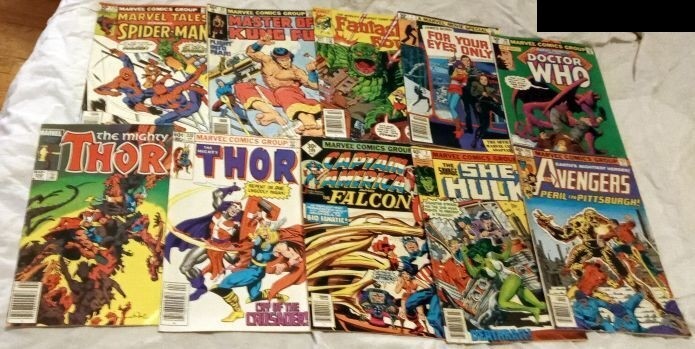


eBay links are affiliate links: JunkPal may earn a commission at no cost to you.