What does “color deviation” mean?
What it means
Color deviation is the measurable departure of a comic book's printed hues from the intended original color palette. This is not a formal CGC or CBCS grading term, but a descriptive flaw. It covers several issues: poor initial printing registration (misalignment of ink plates), color shift due to chemical degradation (dye fading or yellowing), or environmental damage (UV exposure). The mainstream equivalent is color inaccuracy or print artifacting. For valuation, this directly impacts the perceived aesthetic condition, as vibrant, accurate color is integral to a comic’s visual appeal.
What it does to price
Color deviation is a negative attribute. Minor, subtle shifts are often ignored by casual buyers but can be flagged by high-end specialists, resulting in a 5-15% reduction in value compared to a perfect color match. Severe deviation—such as significant yellowing of primary colors or noticeable ink bleed causing color muddiness—can drop the book's value by 25% or more, particularly for high-grade (9.0+) or key investment pieces. For instance, a high-grade Silver Age key issue with noticeable color bleed might sell for $1,500, while the same book with perfect color fidelity could command $1,800.
How to spot it
Spotting deviation requires close inspection, ideally under neutral, daylight-balanced lighting. Look for inconsistencies across the same color area on adjacent pages. Check for "color bleed," where ink has spread beyond the intended registration lines. Sellers should provide high-resolution, unedited photos taken in bright, consistent light. A common honest mistake is poor storage causing fading; a fake might involve digitally altering scans to hide print flaws. If the color shift is uniform across the entire book, it is likely chemical degradation (fading); if it is patchy, it suggests printing errors or localized damage.
Buying smart
Paying a premium for a comic with known, moderate color deviation is rarely justifiable unless the deviation is extremely minor and the rest of the book is otherwise flawless (e.g., near-perfect centering and spine integrity). Deviation becomes a critical factor when purchasing high-grade, investment-grade books. If the deviation is severe, the book should be viewed as a "reader copy" or "collector copy" rather than a primary investment piece. A fair deal accounts for the flaw; if a seller presents a book as "Near Mint" but it exhibits noticeable color shifts, the asking price should be discounted by at least 15% to compensate for the compromised visual quality.
Selling smart
Transparency regarding color deviation maximizes buyer trust and minimizes negotiation friction. Listing the flaw upfront prevents returns and negative feedback. If the deviation is minor, use descriptive language like "Slight color variation present" rather than omitting it. If the deviation is significant, document it with a dedicated, high-detail macro photo showing the affected area. This honesty allows the seller to price the item accurately. A clear, documented flaw allows the seller to capture the market segment willing to buy imperfect copies, often achieving a stable, albeit lower, sale price rather than losing the sale entirely due to buyer surprise.
On eBay right now
Current asking prices from live listings — not sold-comp medians.

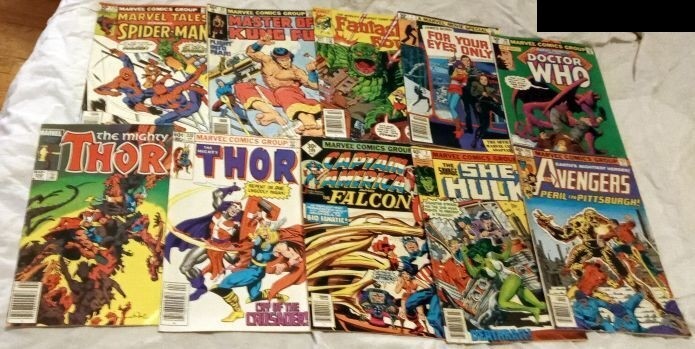


eBay links are affiliate links: JunkPal may earn a commission at no cost to you.