What does “book weight” mean?
What it means
Book weight is the physical mass or density of a comic book. It is not a standardized grading metric like CGC or CBCS condition scores. Instead, it relates to the paper stock used in the printing process. Heavier books generally indicate higher-quality, denser paper, which resists wear and yellowing better than lighter, lower-grade stock. Lighter books suggest thinner, more fragile paper. This factor is a subtle quality indicator, often used when two copies share the same visual grade but differ in material quality.
What it does to price
Book weight acts as a minor quality modifier. A noticeably heavier, well-printed copy of a common title might command a 10-20% premium over an identical-looking lighter copy, assuming all other factors (centering, spine wear) are equal. For high-value, key issues, if a known desirable print run is confirmed to be heavier, that confirmation can justify a $25 to $50 bump in asking price compared to a light variant. Conversely, if a book is suspiciously light for its stated condition, it suggests poor stock, potentially warranting a 15% discount.
How to spot it
The most direct way to spot book weight is by physical comparison. Hold two copies of the same title side-by-side; the difference in heft is often immediately apparent. Sellers should provide scale references in photos, or ideally, a photo showing the book next to a known standard object. Look for differences in the cover texture; heavier paper often has a more substantial, less flimsy feel. Be wary of sellers claiming "premium stock" without evidence, as this is often marketing fluff.
Buying smart
Paying a premium based solely on perceived weight is risky unless the difference is substantial and verifiable. The premium is only worth it when the weight difference correlates with a known, superior printing run or paper grade for that specific title. If the weight difference is marginal (a few grams), the extra cost is unlikely to translate into significant resale value. A fair deal involves the seller acknowledging the weight difference if it is significant, or accepting a standard price if the difference is negligible.
Selling smart
When listing, proving superior book weight adds credibility and justifies a higher tier of pricing, especially for vintage or rare material. Do not just state the weight; provide context. The most effective approach is to include a photo showing the book being held next to a ruler or a standard object, allowing buyers to gauge its density. A simple, factual statement like, "Heavier stock than standard printing," is more effective than vague claims of "premium feel." This factual evidence helps move the item from "average condition" to "premium material."
On eBay right now
Current asking prices from live listings — not sold-comp medians.

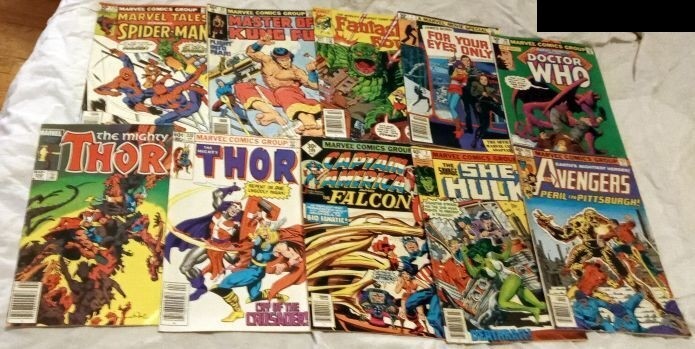


eBay links are affiliate links: JunkPal may earn a commission at no cost to you.