Qu'est-ce qu'une société de mise sous plastique ?
Ce que cela signifie
Une société de mise sous plastique (slabbing company) est un service professionnel qui encapsule les comics dans des pochettes rigides et inviolables, appelées slabs. Ces entreprises effectuent une évaluation détaillée de l'état, attribuant une note numérique basée sur des normes industrielles établies (par exemple, 9.8, 6.0). Ce processus de notation est le principal déterminant de la valeur marchande d'un comic. Le slab agit comme un sceau vérifiable, assurant aux acheteurs que l'état du comic n'a pas changé depuis la notation. L'équivalent courant de ce service est l'encapsulation et l'authentification archivistique professionnelle.
Quel impact sur le prix
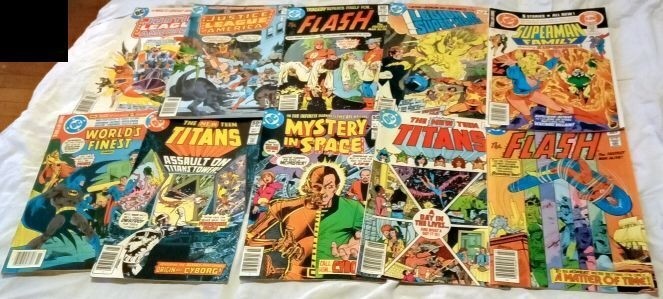
La notation crée une valeur immédiate et quantifiable. Un exemplaire de haute qualité (par exemple, un CGC 9.6) peut atteindre deux à cinq fois le prix d'un exemplaire équivalent non noté ("loose"). Inversement, une note basse (par exemple, un 2.0) plafonne sévèrement le prix, rendant souvent difficile sa vente à moins que le comic ne soit extrêmement rare autrement. La société de notation spécifique est importante ; CGC et CBCS sont des leaders du marché, et leurs notes ont un poids établi. Par exemple, un livre très demandé noté 9.4 par CGC pourrait se vendre 500 $, tandis que le même livre, non noté, pourrait se vendre 150 $.
Comment la reconnaître
Les slabs authentiques présentent une marque d'entreprise unique, des autocollants de notation précis et un boîtier clair et scellé. Examinez le slab lui-même pour des bords nets et une impression professionnelle. Les signaux d'alarme courants incluent des autocollants mal alignés, des images floues à l'intérieur du boîtier ou des logos d'entreprise incorrects. Certains vendeurs peuvent essayer d'utiliser des pochettes en plastique génériques et sans marque ; celles-ci n'offrent aucune authentification. Demandez toujours des photos haute résolution du *slab entier*, montrant l'autocollant de notation et le sceau de protection, et pas seulement le comic visible à l'intérieur.
Acheter intelligemment
Payer une prime pour un slab est justifié lorsque le comic est une pièce d'investissement de grande valeur, un moment clé de personnage, ou lorsque la note est nécessaire pour satisfaire une exigence spécifique du collectionneur (par exemple, avoir besoin d'un 9.0 ou plus). Cela ne vaut pas la peine pour les livres courants et de faible valeur où le coût de la notation dépasse la marge bénéficiaire potentielle. Une affaire équitable implique que le prix demandé reflète la prime de marché établie pour cette note spécifique *et* la réputation de la société de notation.
Vendre intelligemment
Lister un comic sous slab filtre immédiatement le bassin d'acheteurs pour ne garder que les collectionneurs sérieux prêts à payer une prime pour un état vérifiable. Le détail de la liste le plus efficace est l'affichage clair de la note et du logo de la société de notation. Au lieu de simplement lister le livre, la description doit indiquer : "CGC 9.8". Cette seule information transforme la vente d'un achat spéculatif en une transaction basée sur un état authentifié, commanditant souvent une augmentation de prix de 30 % à 70 % par rapport à un exemplaire loose équivalent.
On eBay right now
Current asking prices from live listings — not sold-comp medians.



eBay links are affiliate links: JunkPal may earn a commission at no cost to you.