Qu'est-ce que "Slabbed" contre "Raw" ?
Ce que cela signifie
"Slabbed" (encapsulé) désigne un comic book qui a été soumis à un service de notation tiers (comme CGC ou CBCS) et scellé dans un boîtier plastique protecteur inviolable, appelé "slab". Ce processus implique une évaluation professionnelle qui attribue une note numérique (par exemple, 9.8, 6.0) basée sur des critères objectifs : centrage, usure de la couverture, intégrité du dos et état intérieur. "Raw" (brut) signifie que le comic n'est pas noté et reste dans son état original et non protégé. Le service de notation agit comme un authentificateur et un certificateur de condition indépendant.
Quel impact sur le prix
La différence de prix est substantielle. Un slab de haute qualité (par exemple, un 9.4 ou plus) d'un titre recherché peut atteindre 3 à 10 fois le prix d'un exemplaire raw comparable, selon la rareté du livre. Un slab de basse qualité (par exemple, un 3.0) se vend souvent moins cher qu'un exemplaire raw bien conservé, car la note est un plafond, pas une garantie de qualité. Par exemple, un exemplaire raw d'un titre clé de l'Âge d'Argent pourrait se vendre 150\$, tandis que le même livre dans un slab certifié 8.0 pourrait facilement atteindre 500\$. La note agit comme un plancher de condition vérifié.
Comment le repérer
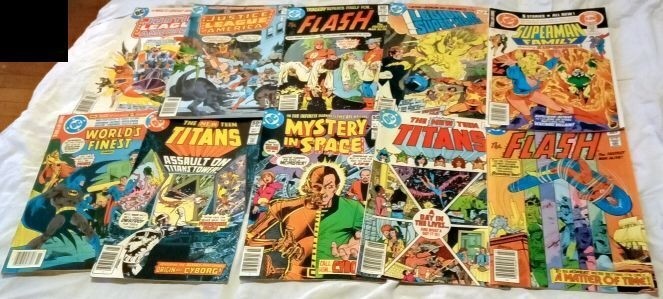
Les comics slabbed possèdent un boîtier plastique standardisé avec une étiquette holographique ou imprimée affichant la note et le logo de la société de notation. Les comics raw n'ont pas ce boîtier. Lors de l'évaluation d'un slab, vérifiez la réputation de la société de notation. Les problèmes courants incluent l'"inflation de la note" (lorsqu'un service sur-note) ou les contrefaçons — des faux qui imitent le design officiel du slab. Vérifiez toujours l'autocollant de la note par rapport aux normes de marché connues pour ce titre spécifique.
Acheter intelligemment
Payer la prime pour un slab est judicieux lorsque le livre est un investissement de haut niveau, très recherché, ou si l'acheteur exige une preuve absolue de la condition pour l'assurance ou l'intégrité de sa collection. Si le comic est un titre commun de bas niveau, les frais de notation plus la prime dépassent souvent l'augmentation marginale de la valeur de revente. Une bonne affaire signifie que la note du slab correspond à l'attente du marché pour ce livre ; payer une prime de 5x pour un slab noté 6.0 alors que le marché raw le cote à 2x, c'est trop payer.
Vendre intelligemment
Pour mettre en vente un comic slabbed, la note et le nom de la société de notation doivent être mis en évidence. Cela valide instantanément l'article et justifie un prix de vente plus élevé. L'élément le plus efficace d'une annonce est une photo claire et haute résolution du *slab entier*, montrant l'étiquette de la note sans obstruction. Évitez les descriptions de condition vagues ; laissez le slab faire le travail de vente. Les acheteurs paient la prime pour la certification, pas pour l'opinion du vendeur sur le livre.
On eBay right now
Current asking prices from live listings — not sold-comp medians.




eBay links are affiliate links: JunkPal may earn a commission at no cost to you.