ما هي الطباعة المتأخرة؟
ماذا تعني
تشير "الطباعة المتأخرة" (Late print) إلى إصدار أو دورة طباعة لاحقة لإصدار كوميكس بعد الإصدار الأولي. هذا يختلف عن إعادة الطبع القياسية (standard reprint)، وهي إعادة إصدار كاملة بعد سنوات. الطباعة المتأخرة هي استمرار لدورة الإنتاج الأصلية، وغالباً ما تحدث بعد أشهر من الطباعة الأولى. يكمن الاختلاف الأساسي في تفاوتات التصنيع. غالباً ما تظهر الدورات اللاحقة اختلافات طفيفة: تدهور في نوع الورق، أو تحولات طفيفة في كثافة الحبر، أو تغييرات دقيقة في تسجيل طباعة الغلاف مقارنة بالنسخ الأولى تماماً. بالنسبة لهواة الجمع، الطباعة الأولى هي المعيار الأساسي؛ والدورات اللاحقة هي تنويعات على هذا المعيار.
تأثيرها على السعر
بشكل عام، تحمل الطباعة المتأخرة قيمة سوقية أقل من الطباعة الأولى لنفس الإصدار، بافتراض تساوي جميع العوامل الأخرى (الحالة، التقييم/Grade). لا يكون فرق السعر خطياً دائماً. إذا كانت الطباعة المتأخرة مجرد استمرار قياسي وغير مُعلَّم، فقد تباع بأقل بنسبة 20-40% من الطباعة الأولى. ومع ذلك، إذا أدخلت الطباعة المتأخرة غلافاً بديلاً (variant cover) مرغوباً به ومعروفاً أو تصحيحاً محدداً للمحتوى، يمكن أن تستقر القيمة أو حتى تزداد، وأحياناً تطابق قيمة الطباعة الأولى. على سبيل المثال، قد يُباع إصدار متأخر قياسي مقابل 15 دولاراً (loose)، بينما قد يُباع الإصدار الأول مقابل 25 دولاراً (loose). يمكن أن يطلب إصدار متأخر بغلاف بديل مرغوب به مبلغ 35 دولاراً أو أكثر.
كيفية تمييزها
يتطلب تحديد الطباعة المتأخرة فحصاً دقيقاً. المؤشرات الأكثر موثوقية هي ملاحظات إصدار الناشر (publisher release notes) أو أدلة التقييم المعمول بها التي توثق تغييرات الإنتاج. مادياً، ابحث عن تحولات طفيفة في لون الورق (قد يكون أصفر قليلاً) أو اختلافات في اللمعان الموضعي (spot gloss) أو تشبع الحبر على الغلاف. إذا كان الإصدار يحمل علامة إصدار محددة، فلاحظ ما إذا كانت تتطابق مع وثائق الدورة الأولية. يجب على البائعين تقديم صور عالية الدقة للعمود الفقري (spine) وصفحات الداخل، مما يسمح بفحص ملمس الورق واتساق الحبر. إن الخلط بين طباعة متأخرة حقيقية وإعادة طباعة لاحقة غير مصرح بها هو خطأ شائع؛ تحقق دائماً من تاريخ الإنتاج مقابل جداول الإصدار المعروفة.
الشراء بذكاء
لا يبرر دفع علاوة سعرية مقابل طباعة متأخرة إلا إذا كانت دورة الطباعة نفسها موثقة كنسخة بديلة مرغوبة. إذا كان الإصدار قياسياً بخلاف ذلك، فإن شراء طباعة متأخرة عندما يتوفر إصدار أول هو قرار مالي غير سليم. يجب أن يعكس الصفقة العادلة لطباعة متأخرة قياسية وضعها الثانوي؛ إذا كان الإصدار الأول مُسعراً بـ 50 دولاراً، فيجب ألا يتجاوز الإصدار المتأخر القياسي 35 دولاراً ما لم تكن حالته أفضل. إذا كان الإصدار عنواناً مطلوباً بشدة، فقد يضيق الفارق السعري بين الطباعة الأولى والمتأخرة، لكن الطباعة الأولى تظل الاستثمار الأكثر أماناً.
البيع بذكاء
إن إدراج الكوميكس على أنه "طباعة متأخرة" دون سياق مناسب يقلل من القيمة المتصورة. يتم كسب العلاوة من خلال تقديم دليل يمكن التحقق منه على دورة الطباعة. الإضافة الأكثر فعالية إلى القائمة هي صورة واضحة ومقربة لأي علامة مميزة، أو ختم إصدار، أو لقطة مقارنة تظهر الفرق الطفيف في طباعة الغلاف مقارنة بالمظهر المعروف للطباعة الأولى. إن التصريح بوضوح "دورة طباعة متأخرة قياسية" يدير توقعات المشتري. إذا كانت الطباعة المتأخرة نسخة بديلة معروفة، فيجب أن ينص الإدراج صراحة على ذلك لتبرير نقطة السعر الأعلى.
On eBay right now
Current asking prices from live listings — not sold-comp medians.


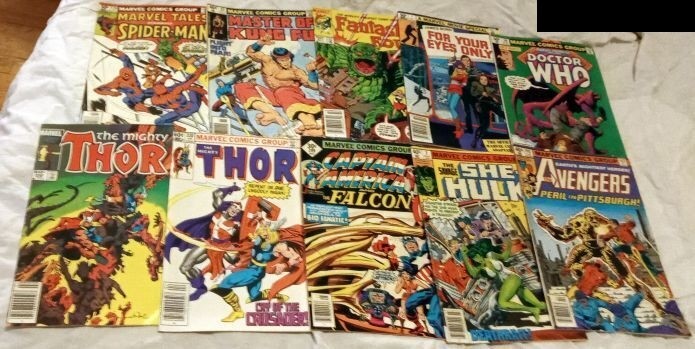


eBay links are affiliate links: JunkPal may earn a commission at no cost to you.