What does “crown engraving” mean?
What is Crown Engraving?
Crown engraving is any permanent mark, etching, or inscription located on the winding crown of a watch. This includes manufacturer logos, model codes, serial numbers, or specific decorative patterns applied during production. In the collecting niche, this is not merely decoration; it functions as a primary physical identifier. It confirms the watch’s specific production batch, model variant, or authenticity against known factory specifications. Unlike general case markings, the crown engraving provides highly localized, verifiable evidence of the watch's history.
Impact on Resale Value
The presence of clear, factory-correct crown engraving directly supports higher valuation by acting as a verifiable authenticity marker. A watch with confirmed, unique engraving that ties it to a documented limited run can command a significant premium—often in the 20-40% range—over an identical, unmarked counterpart. Conversely, evidence of aftermarket alteration, such as a crudely added or heavily worn-off mark, can result in a 10-25% depreciation due to compromised provenance. If a high-value piece lacks any discernible crown marking, its value is inherently capped until its origin can be definitively established. For more detailed guidance on assessing watch condition, review our guide on [watch condition grading].
How to Spot and Verify It
Examine the crown under 10x magnification. Look for crispness in the lettering and consistency in the depth of the engraving across multiple crowns from the same reference. Key tells include specific font styles used by the manufacturer for that era, or the presence of a specific date code etched near the crown base. Sellers must provide high-resolution macro photographs of the crown face and its base. A common mistake is confusing a *printed* mark (often on the side of the crown) with a *true engraving* (cut into the metal). Fakes often feature shallow, poorly defined, or inconsistent markings. When assessing the overall quality of the timepiece, also refer to our guide on [watch movement identification].
Real-World Context Examples
Example 1 (Positive Impact): A vintage diver's watch from the early 1980s might be common, but if the crown displays a specific, hard-to-find factory serial number etched beneath the logo, this confirms it belongs to a known, short-run production batch. This specific confirmation can elevate the asking price by 30% for serious collectors.
Example 2 (Negative Impact): A high-end dress watch where the original crown engraving has been polished away or replaced with a generic replacement part immediately lowers the perceived value. Buyers recognize this as a loss of original provenance, potentially leading to a 15-20% reduction in the final sale price compared to a fully preserved example.
Buying and Selling Strategy
Buying Smart: Paying a premium for crown engraving is warranted when the marking is unique, matches known reference photos for a specific production year, and is clearly legible. The premium is justified when the engraving confirms a rare variation or a specific factory allocation. If the engraving is faint or unclear, the price must reflect that uncertainty.
Selling Smart: Listing a watch with clearly documented, verifiable crown engraving allows the seller to move beyond general model identification to specific variant identification. This shifts the sale from "Vintage Watch X" to "Vintage Watch X, Specific Production Run Y," attracting specialized buyers willing to pay for confirmed authenticity. The macro photograph of the crown is your primary proof of provenance.
FAQ
Q: Is a printed mark on the crown the same as an engraving?
A: No. A printed mark is applied to the surface, often using ink or a decal, while a true engraving is physically cut into the metal of the crown. Collectors and authenticators rely on the depth and permanence of the cut for verification.
Q: Does a serial number on the crown always increase the price?
A: Not automatically. A serial number is only valuable if it corresponds to a known, desirable production run or if it can be verified against known factory records. A generic serial number on a common model will have a marginal price impact.
Q: How important is the crown engraving compared to the case markings?
A: Both are important, but the crown engraving often provides more granular, specific data regarding the watch's manufacturing batch or specific variant. Case markings usually confirm the general model line, while the crown provides the "fine print" of provenance.
Related on JunkPal
On eBay right now
Current asking prices from live listings — not sold-comp medians.

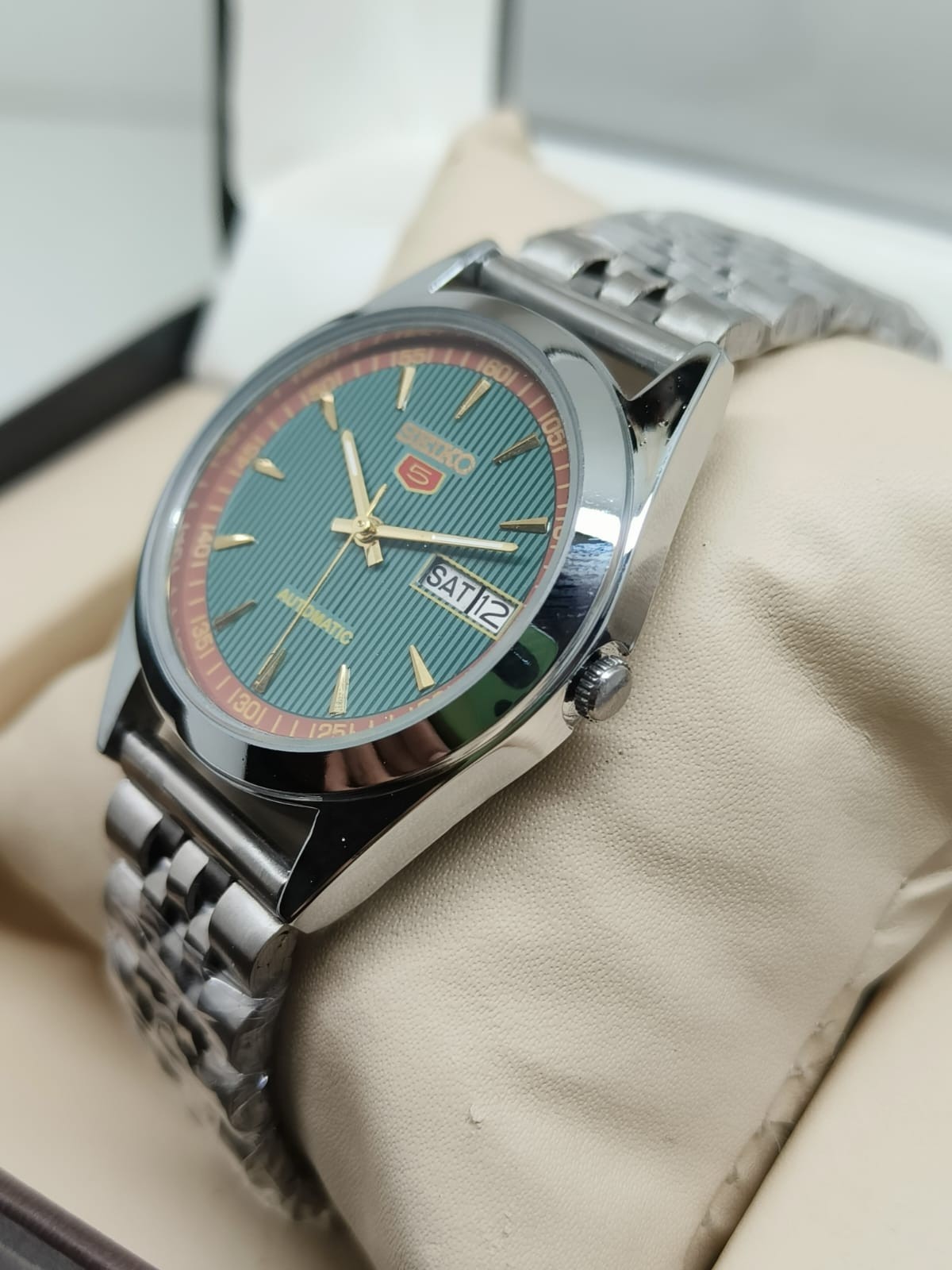

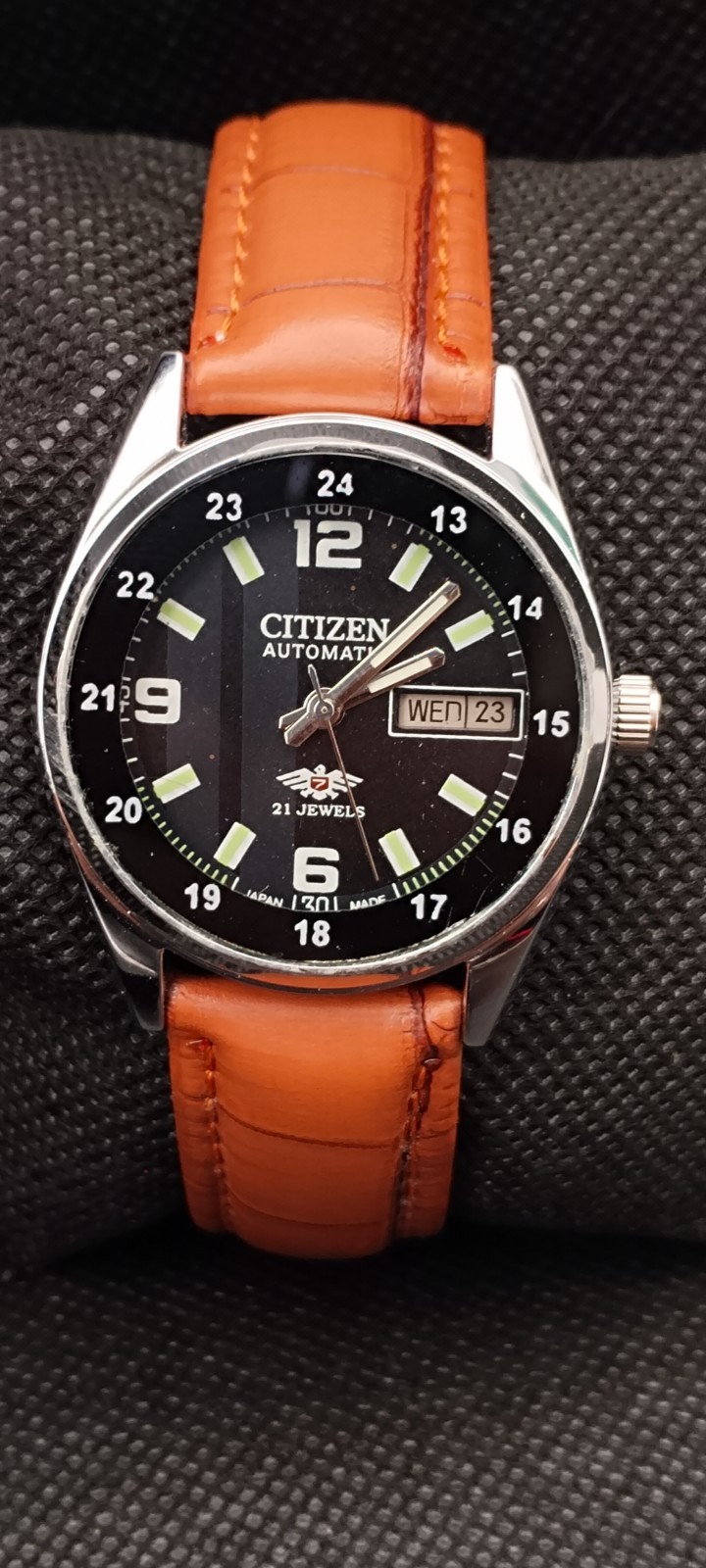


eBay links are affiliate links: JunkPal may earn a commission at no cost to you.