What does “watch grading” mean?
What it means
Watch grading is the formalized process of assigning a numerical or descriptive quality score to a timepiece. This score quantifies the physical condition of the watch, covering the dial, case, crystal, and internal movement. Graders evaluate specific wear indicators: hairline scratches, deep abrasions, case dings, and the originality of components (e.g., original hands vs. replacements). This is the industry standard for condition assessment, replacing subjective opinions. The resulting grade acts as an objective benchmark for market valuation, directly correlating to perceived scarcity and desirability among serious collectors.
What it does to price
Grade directly dictates market liquidity and price ceilings. A Near Mint (NM) or Unpolished grade can command a 1.8x to 2.5x premium over a comparable watch graded as Good (G) or Very Good (VG). Minor blemishes, such as light surface scratches on the case, typically result in a 10-15% price reduction compared to mint condition. Conversely, evidence of heavy service or significant case damage can reduce value by 30% or more. For example, a Rolex Submariner graded as "Unpolished" might sell for $15,000, while the same watch graded "Polished/Heavily Worn" might sell for $11,000.
How to spot it
When assessing condition without a formal report, look for three things: polish integrity, dial patina, and crystal clarity. High-grade watches retain sharp edges on lugs and case bevels; heavy polishing removes these lines, immediately lowering the grade. Check the dial for consistent color saturation and lack of fading or "checking" (small cracks in the lacquer). Request high-resolution macro photos of the case sides and clasp. Be wary of sellers who claim "Mint" but provide only distant photos; these often hide significant cosmetic flaws.
Buying smart
Paying a premium for a high grade is justified when the watch is a highly sought-after reference (e.g., vintage sports models) where condition is the primary differentiator between high and low market tiers. If the watch is a common, modern entry-level piece, the premium for a perfect grade may not yield a proportional return. A fair deal involves the asking price reflecting the established market rate for that specific grade. If a seller is asking for a top-tier price but the watch only exhibits mid-range wear, the negotiation point is the condition discrepancy.
Selling smart
Proving the grade in a listing shifts the transaction from a negotiation to a transaction based on established value. A third-party grading certificate (e.g., from WatchBox or similar services) acts as an immediate trust signal, bypassing buyer skepticism regarding subjective descriptions. The single most effective element in a listing is a clear, well-lit photo showing the watch under direct light, allowing the buyer to visually verify the claimed condition against the grade description. This documentation justifies the highest possible asking price.
On eBay right now
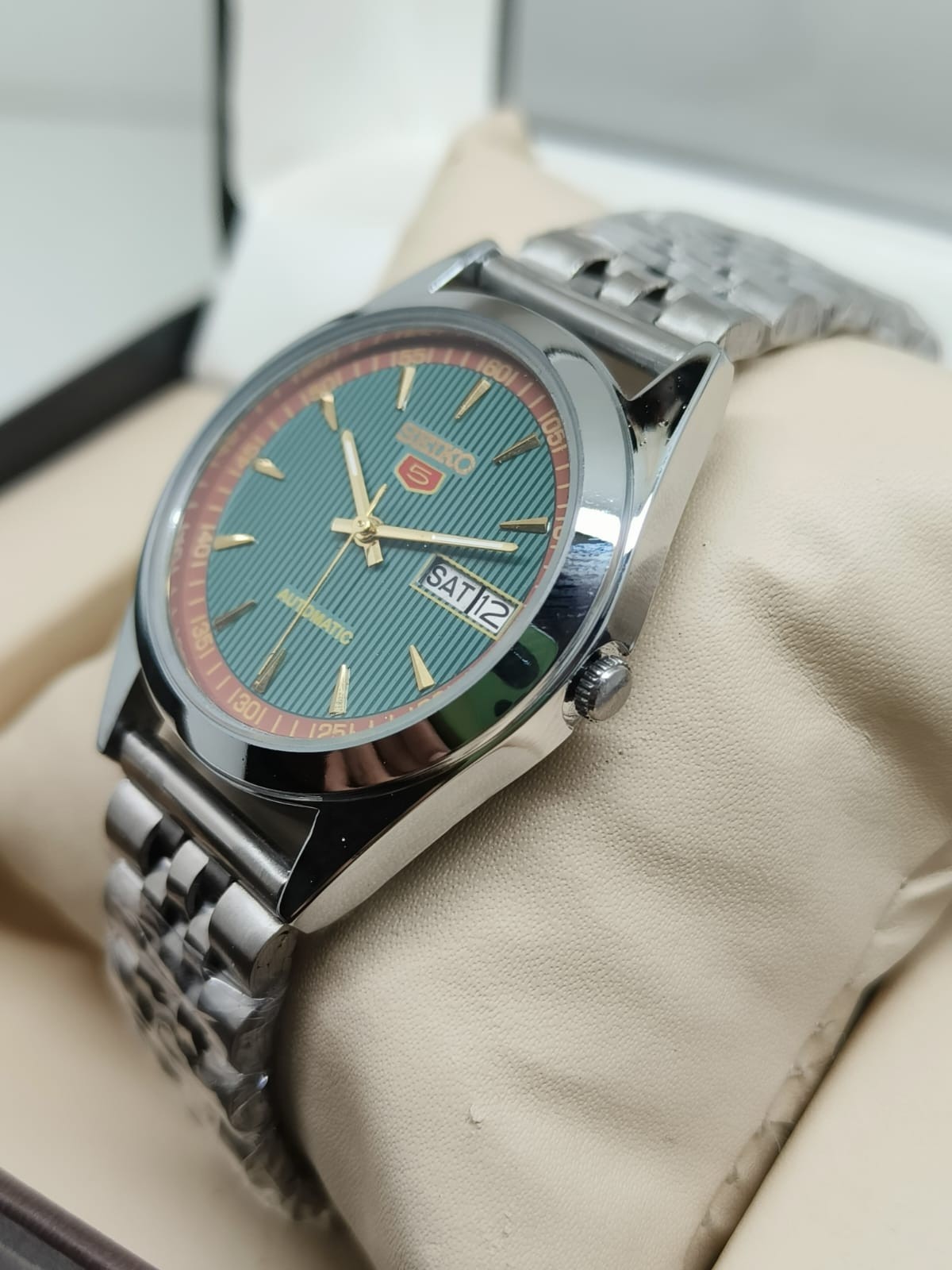
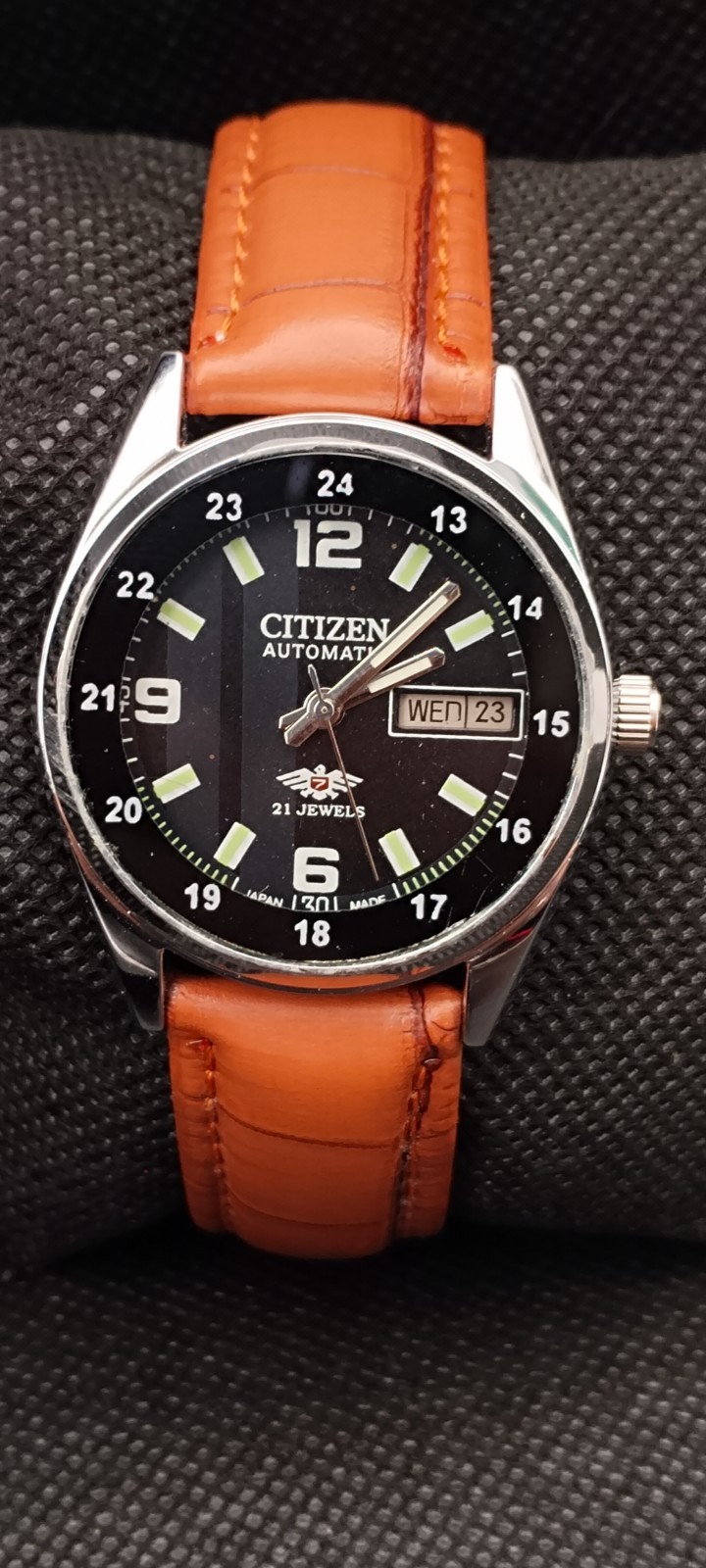
Current asking prices from live listings — not sold-comp medians.




eBay links are affiliate links: JunkPal may earn a commission at no cost to you.