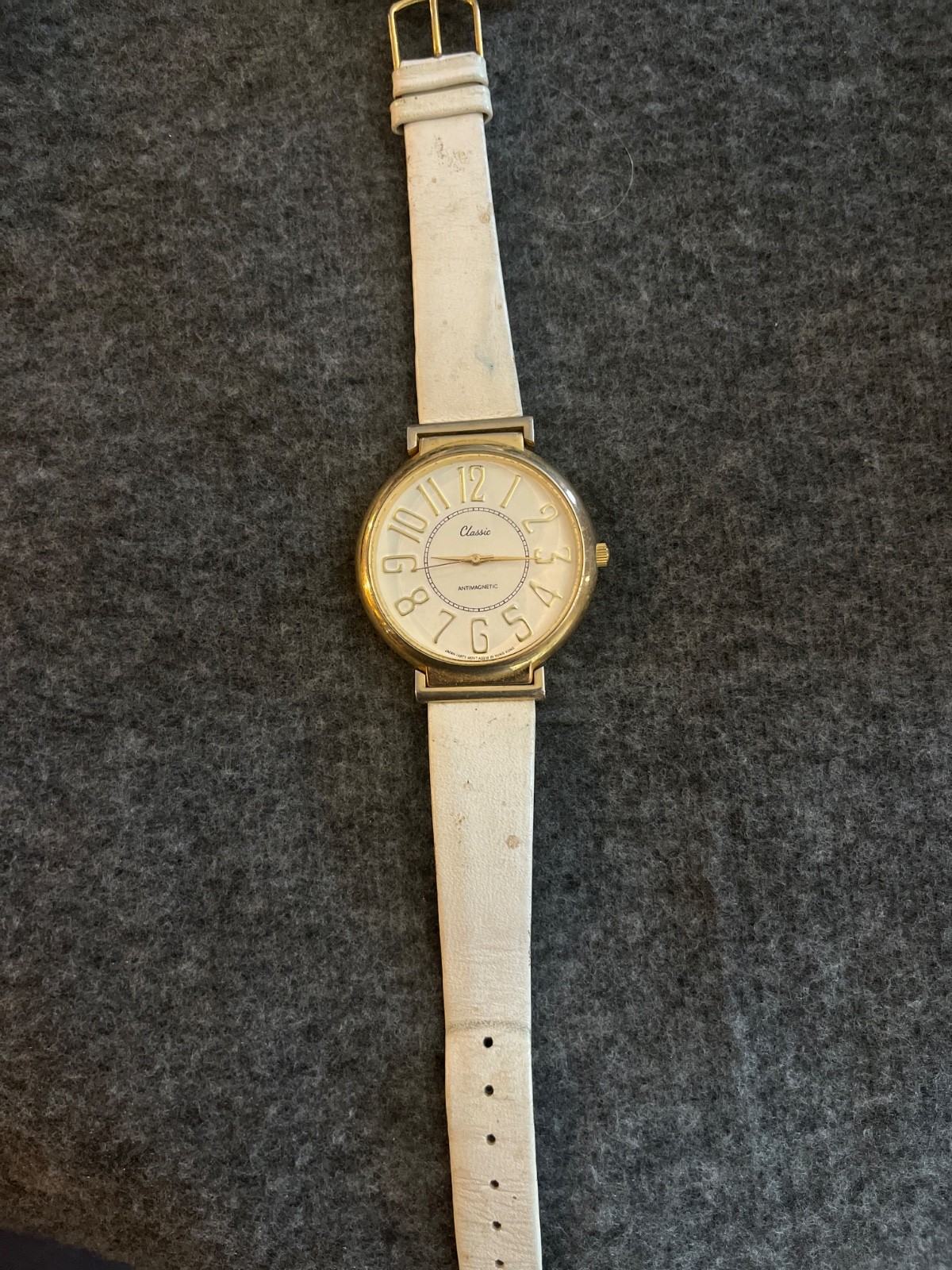
什么是表盘细微瑕疵?

含义解释

表盘细微瑕疵是指在手表表盘上识别出微小的表面缺陷。这包括发丝般的划痕、被晶体(crystal)或印刷品困住的灰尘颗粒、变色或微观污点。主流的说法是“一般外观状况评估”,但在手表收藏界,“表盘细微瑕疵”意味着需要进行法医级别的检查。它不仅仅关乎可见的损坏;它涵盖了影响表盘原始外观的亚表面和微观缺陷。表盘是手表的首要美学界面;它的状况决定了其被感知的质量和真实性。

对价格的影响

表盘细微瑕疵直接关系到折旧率。一个“近全新”(Near Mint)且无任何瑕疵的表盘,其价格会比带有轻微可见瑕疵的同款手表高出 15-30%。如果出现明显的瑕疵——比如严重的划痕或明显的包浆/色泽变化(patina/toning)——根据手表的原始价值,价格可能会下跌 30% 或更多。例如,一款标准的复古潜水表,如果表盘完美无瑕,可能售价 1,500 美元,但如果表盘有明显的灰尘颗粒,价格可能降至 1,100 美元左右。完美无瑕的状况是达到顶级定价的基准。

如何发现

发现这些瑕疵需要放大镜,通常是 10 倍的珠宝放大镜(jeweler's loupe),并在强烈的直射光下进行检查。仔细观察刻度(indices)、指针和印刷文字,看是否有墨水饱和度不一致或微小磨损的地方。常见的迹象包括“蜘蛛网纹”(spidering,指漆面或油墨的细微裂纹)或晶体下被困的灰尘,后者有时会模仿印刷品老化。卖家应该提供专门聚焦于表盘表面的高分辨率微距照片,而不仅仅是普通照片。假货通常在印刷质量或标记对齐上存在不一致,这可能被误认为是瑕疵,但实际上是制造错误。

明智购买

当手表是稀有、产量低的型号,或者当手表进入“投资级”(investment grade)范畴时,为完美表盘状况支付溢价是合理的。如果手表是常见、入门级的型号,为完美瑕疵支付的额外价格可能不值得。一个公平的交易是价格要考虑到*最好的可能*状况,而不仅仅是“良好”。如果卖家声称状况完美,那么要价就应该反映出这个绝对标准。

明智销售

证明表盘没有细微瑕疵,能将一个挂牌的描述从“良好状况”(good condition)提升到“收藏级”(collector grade)。这能证明更高的要价是合理的,因为它消除了买家需要为潜在隐藏缺陷而打折的需要。挂牌中最有效的一点是提供一张在强光下拍摄的、专门聚焦于表盘表面的高分辨率微距照片,清晰展示表面的完整性。在描述中使用“完美表盘表面”(Flawless Dial Surface)并提供照片证据,就能赢得高端买家所追求的溢价。

On eBay right now

Current asking prices from live listings — not sold-comp medians.

See all ↗

eBay links are affiliate links: JunkPal may earn a commission at no cost to you.

More Watches terms

annual calendarThis complication indicates that the watch displays not just the day and date, but also the month and the year. It is a sophisticated feature that requires precautomatic movementThis refers to a watch mechanism that is powered by the natural motion of the wearer's wrist, rather than needing regular battery changes. Instead of a battery,balance wheelThis is a critical component within the mechanical movement of a watch, essentially acting as a weighted lever that oscillates back and forth. It works in conjubezel conditionThis refers to the physical state of the ring surrounding the crystal on a watch case. The bezel can be fixed or rotating, and its condition speaks directly to box conditionThis refers to the physical state of the original packaging that accompanied the timepiece. It encompasses the watch box, any accompanying paperwork like manualbracelet styleThis describes the physical configuration of a timepiece, specifically referring to whether it utilizes a linked band or a strap. A bracelet style watch featurebrand specific jargonThis refers to the specialized terminology, abbreviations, and unique nomenclature used by a particular watch manufacturer or within a specific segment of the wcase backThe rear cover of a wristwatch, often made of metal, sapphire crystal, or sometimes leather, serves both a functional and aesthetic purpose. Functionally, it prcase conditionThis refers to the physical state of the watch's outer metal housing, or case. It encompasses scratches, dings, dents, corrosion, and the overall integrity of tcase engravingThis refers to any permanent inscription, etching, or marking found on the exterior metal housing of a timepiece. These markings can include serial numbers, modcase materialThis refers to the physical substance from which the watch's outer housing, or case, is constructed. Common materials include stainless steel, gold, titanium, ccase patinaThis refers to the natural discoloration or aging that develops on the metal casing of a watch over time, often appearing as a subtle darkening, toning, or uniqcase shapeThis refers to the physical silhouette or outline of the watch's outer metal housing. Watch cases come in various shapes, such as round, square, cushion, tonneachronographA chronograph is a watch equipped with a specialized function that allows it to measure elapsed time, typically featuring subdials and pushers on the side of th
All Watches terms →