ROIリセールの意味とは?

意味するもの

ROIリセリングとは、販売価格から総取得コストを引いた利益率のことです。コレクターの分野では、購入の財務的効率性を定量化します。これは趣味の収集に適用される標準的なビジネス指標です。計算式は次のとおりです: (販売価格 - 総コスト) / 総コスト。総コストには、アイテム価格、送料、プラットフォーム手数料、および必要なクリーニングや修理費用が含まれます。高いROIは、アイテムが当初の出費を大幅に上回って価値が上昇したことを意味します。

価格への影響

ROIは許容できる購入価格を決定します。歴史的に高い転売需要があるアイテムは、潜在的なROIが高いため、より高い初期価格で取引されます。例えば、市場が上昇傾向にある場合、非常に人気のある未開封のトレーディングカードは、単体の市場価値の5倍の価格になる可能性があります。逆に、過去の取引実績が乏しい、またはニッチな需要しかないアイテムは、1.1倍のROIしか生み出さない可能性があり、これは販売者が経費を回収するだけで10%の利益率を必要とすることを意味します。アイテムが100ドルする場合、2倍のROIを達成するには、すべての費用を差し引いた後、200ドル以上で販売する必要があります。

見極め方

潜在的なROIを見極めるには、希少性と需要を確認する必要があります。エディション番号をチェックしてください。限定版(例:「Numbered 1/100」)は、一般版よりも本質的にROIの可能性を高めます。コンディションレポートを精査してください。ニアミント(NM)の状態のコピーは、グッド(G)の状態のコピーよりも常に高いROIをもたらします。シリアル番号、製造元のスタンプ、特有の印刷バリエーションなど、特定の詳細の高解像度写真を必ず要求してください。グレーディングサービスが不明確または未検証の場合は、「graded」アイテムには注意が必要です。これらは、将来のリターンが不確実なまま初期費用が膨らみやすい分野だからです。

賢い購入

プレミアム価格を支払うのは、アイテムが検証可能な希少性と、確立された強い市場の勢いを示している場合に正当化されます。アイテムが認知された高需要シリーズの一部である場合、コレクター層が深く活発であることが分かっていれば、現在の平均市場価格の1.5倍を支払うことは許容できるかもしれません。アイテムがマイナーである、検証可能な二次市場の履歴がない、または容易に複製できる場合は、プレミアムを支払う価値はありません。公正な取引には、市場の変動や取引コストを考慮して、最低でも1.3倍の潜在的ROIが必要となるのが一般的です。

賢い販売

出品時に高いROIを証明することは、直接的に買い手の信頼とより高い最終入札額につながります。買い手は確実性に対してより多くのお金を払います。プレミアムを得るための最も効果的な要素は、検証可能な来歴(provenance)です。これは、アイテムの真正性、または特定の希少なバリアントであることを証明する文書です。エディションマーカーや特定のシリアル番号を示す明確で詳細な写真と、その希少性レベルに関する簡潔な説明を添えることで、市場レンジの最高値での価格設定を正当化できます。これにより、「いくらの価値があるか?」という議論から、「この特定のバージョンはいくらの価値があるのか?」という議論へとシフトします。

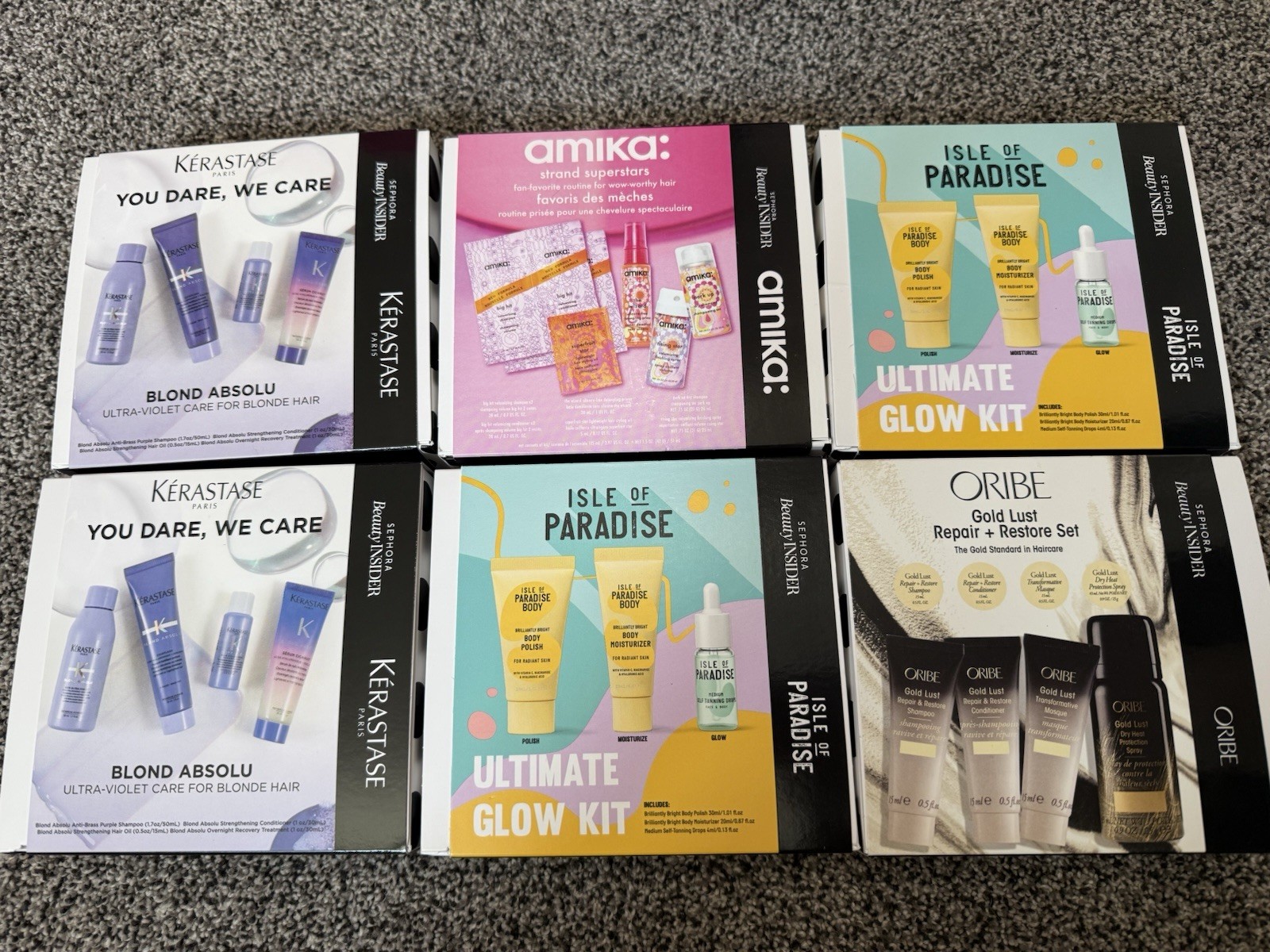
On eBay right now

Current asking prices from live listings — not sold-comp medians.
See all ↗

eBay links are affiliate links: JunkPal may earn a commission at no cost to you.

More Reselling terms

abandoned cartThis refers to a situation where a potential buyer adds items to an online shopping cart but leaves the website before completing the purchase and paying for thacceptable conditionThis term refers to the agreed-upon standard of quality for an item being sold, indicating that while it may not be brand new, it is functional and cosmeticallyacquisition costThis refers to the total amount of money spent to acquire an item, including the purchase price, shipping fees, and any necessary initial fees or taxes. For resantique sourcingThis refers to the entire process of finding and acquiring items with significant age or historical value for the purpose of resale or collection. It involves sarbitrageThis strategy involves purchasing an item in one market or location where it is priced low and then immediately reselling it in another market or location whereauction durationThis refers to the set timeframe during which an item is listed and available for bidding on an online marketplace. It dictates how long potential buyers have tauctioneerAn auctioneer is the professional who manages and conducts an auction, calling out items and driving the bidding process. For resellers and collectors, understaauthenticated itemThis refers to an item that has been verified by a recognized third-party service or expert to confirm its authenticity. In the world of collecting and resellinauthenticity certificateThis document serves as official proof that an item is genuine and not a counterfeit. For resellers and collectors, this is crucial because the market is floodeaverage selling priceThis metric represents the typical price at which an item has recently sold within a specific market or platform. It's calculated by taking the total revenue gebatch buyingThis practice involves purchasing a large quantity of items from a single source, often at a discounted wholesale rate, rather than acquiring them individually.batch listingThis refers to the practice of grouping multiple similar items into a single listing on an online marketplace. Instead of creating individual advertisements forbatchingThis refers to the practice of acquiring, listing, or selling multiple items of the same type or from the same source all at once. For resellers, batching can sbest offerThis term refers to a price proposition made by a potential buyer, often in response to a listed asking price, indicating the maximum amount they are willing to
All Reselling terms →