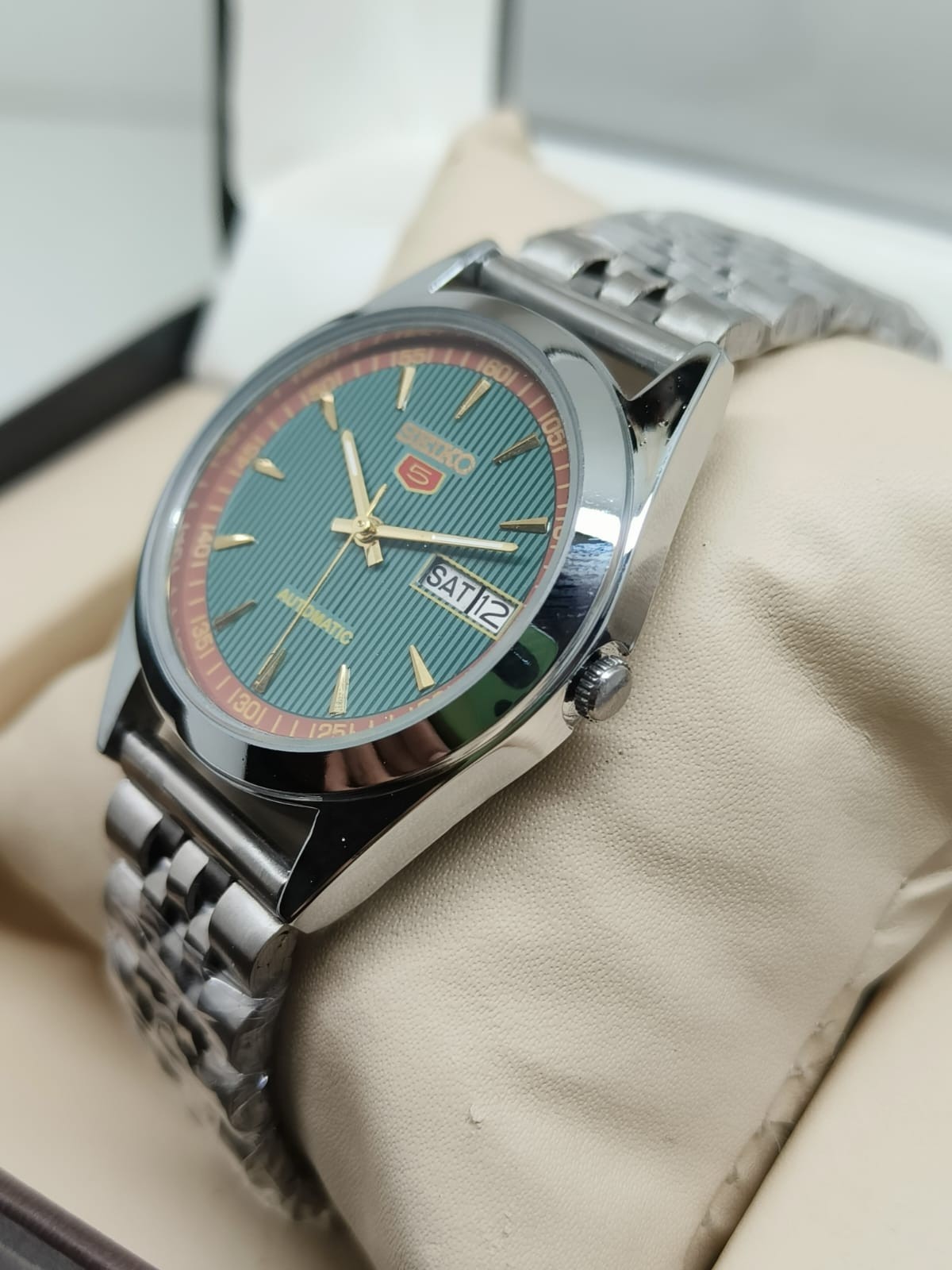
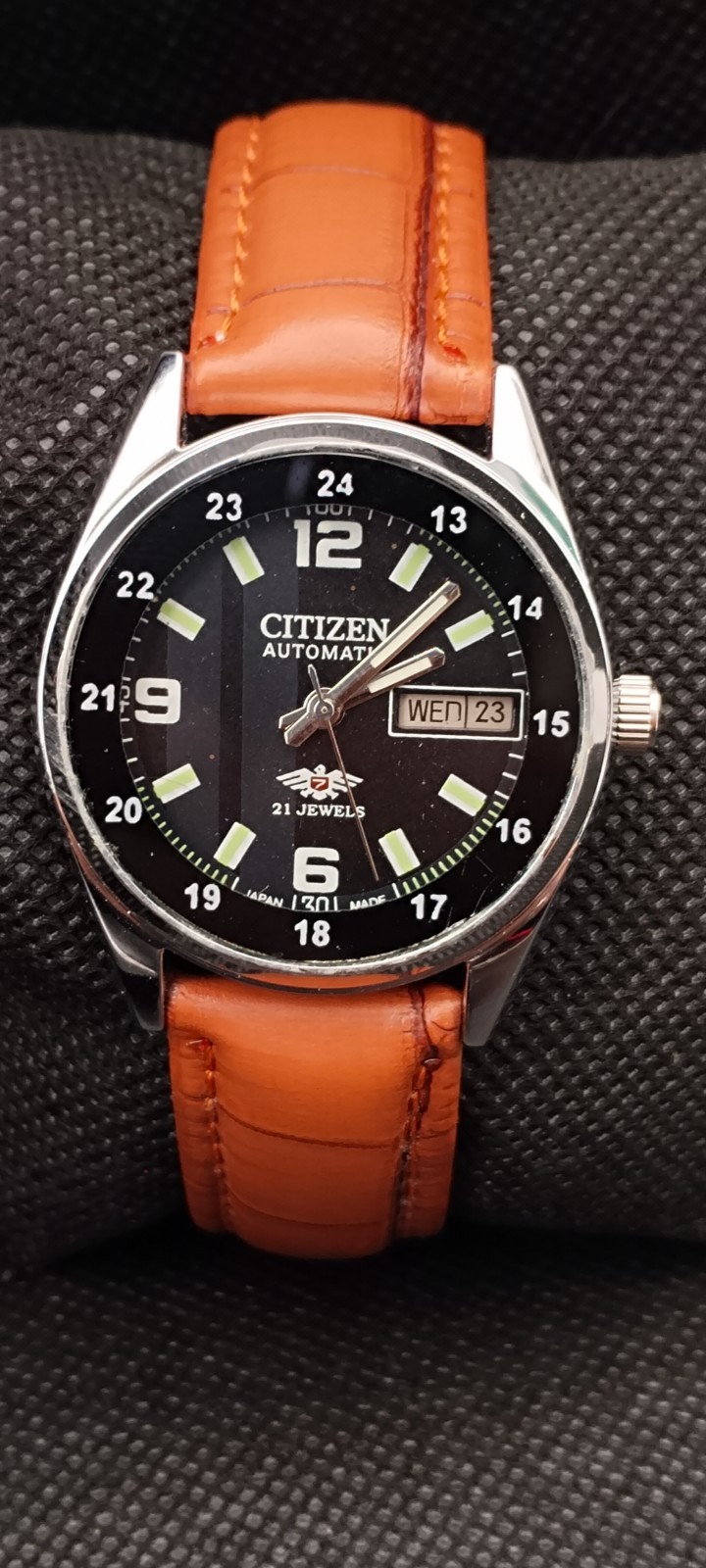
ダイヤルチッピングとは?

意味するもの

ダイヤルチッピングとは、時計の文字盤表面のラッカー、塗料、または印刷された部分の物理的な摩耗や剥離のことです。これは単なる表面の傷ではなく、文字盤の最上層が剥がれたり欠けたりして、下の基材が露出している状態を指します。一般的な表現では「塗装の剥がれ」や「クラック(ひび割れ)」に相当します。コレクターの分野では、これは深刻な外観上の欠陥と見なされます。文字盤の仕上げの完全性が損なわれるため、特にヴィンテージやハイエンドなモデルにおいて、オリジナリティを評価する上で重要になります。パティナ(経年変化による味わい)は期待されますが、チッピングは明確なダメージです。

価格への影響

価格への影響は、チッピングの範囲と深さに直接比例します。ごくわずかなピンホールサイズの欠け(<0.5mm)であれば、5〜10%程度の減額で済むかもしれません。文字盤の数字やロゴの一部を覆う中程度のチッピング(総文字盤面積の1〜3%程度)は、通常20〜35%の割引が必要になります。ブランド名や日付窓といった重要な要素に影響を及ぼす深刻で広範囲なチッピングは、価値を50%以上も下げる可能性があり、完璧な状態を求めるバイヤーにとっては収集対象外になることもあります。例えば、新品同様のヴィンテージ品が$5,000で取引される場合、主要な時針マーカーに中程度のチッピングがあるだけで$3,500に下がる可能性があります。

見分ける方法

検査には拡大鏡(理想的には10倍のルーペ)と、明るく斜めからの光が必要です。単なる表面の傷ではなく、印刷された素材が浮いている、またはひび割れているエッジを探してください。販売者は、文字盤表面に焦点を当てた高解像度のマクロ写真を必ず提供しなければなりません。マーキングやインデックスの接写を含めることが重要です。ダメージがチッピング特有のシャープで明確なエッジを示しているにもかかわらず、「使用感(wear)」と主張する販売者には注意が必要です。偽物は使用感を模倣しようとすることがありますが、本物のラッカーチッピング特有の材料の破損を再現することはできません。

賢い購入

目立つダイヤルチッピングがある時計にプレミアムを支払うのは、その時計が極めて高い本質的価値(例:超希少なコンプリケーションや重要な来歴)を持ち、購入者が美観よりも機能性を優先する場合にのみ正当化されます。もしその時計が一般的なモデルやエントリーレベルの製品であれば、チッピングによる割引分を購入価格に大きく反映させるべきです。公正な取引とは、提示価格が文書化された外観上の欠陥を反映していることです。目に見えるチッピングがあるにもかかわらず、提示価格がほぼミントコンディションの価格に近い場合、その取引は高すぎます。

賢い販売

透明性が販売価格を最大化します。チッピングを明確に示し、「dial chipping」または「cosmetic chipping」として正確にラベル付けした高解像度の写真を掲載することで、紛争を防ぎ、状態を受け入れるバイヤーを引きつけます。「軽微な使用感(light wear)」のような曖昧な言葉は避けてください。ダメージを強調した単一の明るいマクロ写真と、その程度に関する正確な説明(例:「3時マーカー付近に小さなチッピングを確認」)を組み合わせることで、信頼を築き、文書化された状態に基づいた最終販売価格を正当化できます。

On eBay right now

Current asking prices from live listings — not sold-comp medians.

See all ↗

eBay links are affiliate links: JunkPal may earn a commission at no cost to you.

More Watches terms

annual calendarThis complication indicates that the watch displays not just the day and date, but also the month and the year. It is a sophisticated feature that requires precautomatic movementThis refers to a watch mechanism that is powered by the natural motion of the wearer's wrist, rather than needing regular battery changes. Instead of a battery,balance wheelThis is a critical component within the mechanical movement of a watch, essentially acting as a weighted lever that oscillates back and forth. It works in conjubezel conditionThis refers to the physical state of the ring surrounding the crystal on a watch case. The bezel can be fixed or rotating, and its condition speaks directly to box conditionThis refers to the physical state of the original packaging that accompanied the timepiece. It encompasses the watch box, any accompanying paperwork like manualbracelet styleThis describes the physical configuration of a timepiece, specifically referring to whether it utilizes a linked band or a strap. A bracelet style watch featurebrand specific jargonThis refers to the specialized terminology, abbreviations, and unique nomenclature used by a particular watch manufacturer or within a specific segment of the wcase backThe rear cover of a wristwatch, often made of metal, sapphire crystal, or sometimes leather, serves both a functional and aesthetic purpose. Functionally, it prcase conditionThis refers to the physical state of the watch's outer metal housing, or case. It encompasses scratches, dings, dents, corrosion, and the overall integrity of tcase engravingThis refers to any permanent inscription, etching, or marking found on the exterior metal housing of a timepiece. These markings can include serial numbers, modcase materialThis refers to the physical substance from which the watch's outer housing, or case, is constructed. Common materials include stainless steel, gold, titanium, ccase patinaThis refers to the natural discoloration or aging that develops on the metal casing of a watch over time, often appearing as a subtle darkening, toning, or uniqcase shapeThis refers to the physical silhouette or outline of the watch's outer metal housing. Watch cases come in various shapes, such as round, square, cushion, tonneachronographA chronograph is a watch equipped with a specialized function that allows it to measure elapsed time, typically featuring subdials and pushers on the side of th
All Watches terms →