What does “water resistance” mean?
What it means
Water resistance describes a watch's engineering capability to prevent water ingress under specified pressure. The rating, expressed in ATM (atmospheres) or meters (m), defines the maximum depth the watch is certified to withstand. This is not a guarantee of perfect sealing; it is a tested specification. A 3 ATM rating is suitable for splash resistance (e.g., rain), while 100m or 200m ratings imply suitability for recreational swimming or snorkeling. Higher ratings indicate superior gasket and case construction. For collectors, this rating defines the watch's intended use and its functional integrity. A watch failing below its advertised rating is a functional defect, not merely a cosmetic flaw.
What it does to price
Water resistance directly influences perceived quality and functionality, impacting value. A watch with a high, verifiable rating (e.g., 100m+) commands a premium over a non-rated or low-rated counterpart, assuming all other factors are equal. A watch rated for diving (300m+) carries a higher baseline value due to the complexity of its sealing system. Conversely, a watch advertised as "waterproof" but lacking a specific rating, or one that has been compromised, can see value depreciation of 20-40% compared to a verified piece. For instance, a vintage dive watch with verifiable 200m capability may command $1,500 more than an identical model with no documented water resistance.
How to spot it
The rating is almost always found on the dial, typically near the 6 o'clock position, often accompanied by a small icon (e.g., a water droplet). Examine the documentation or original box for the technical specifications sheet. A common mistake is confusing "water-resistant" with "waterproof." The former is a tested specification; the latter is marketing hyperbole. For vintage pieces, look for signs of seal degradation: foggy crystal edges, dried residue inside the crown stem, or corrosion around the case gaskets. Fakes often omit or misrepresent the rating entirely.
Buying smart
Paying a premium for high water resistance is justified when the watch's intended function requires it—such as diving or serious water sports. If the watch is purely a dress piece, a 3 ATM rating is sufficient, and overpaying for a 300m rating offers diminishing returns. A fair deal involves the seller providing evidence of the rating (dial print, manual) and, ideally, recent service records confirming the seals are in good working order. If the watch has never been serviced, the buyer must factor in the immediate cost of a professional water resistance test and seal replacement.
Selling smart
Proving the water resistance rating is a key selling point, especially for sports or tool watches. Buyers pay more for documented reliability. The single most effective element in a listing is a clear, high-resolution photograph of the dial where the rating is printed. If service records exist that confirm the seals have been replaced within the last 1-2 years, this documentation should be included. Listing the watch as "Certified Water Resistant to 200m" (if verifiable) immediately elevates it above listings that simply state "Water Resistant."
On eBay right now
Current asking prices from live listings — not sold-comp medians.


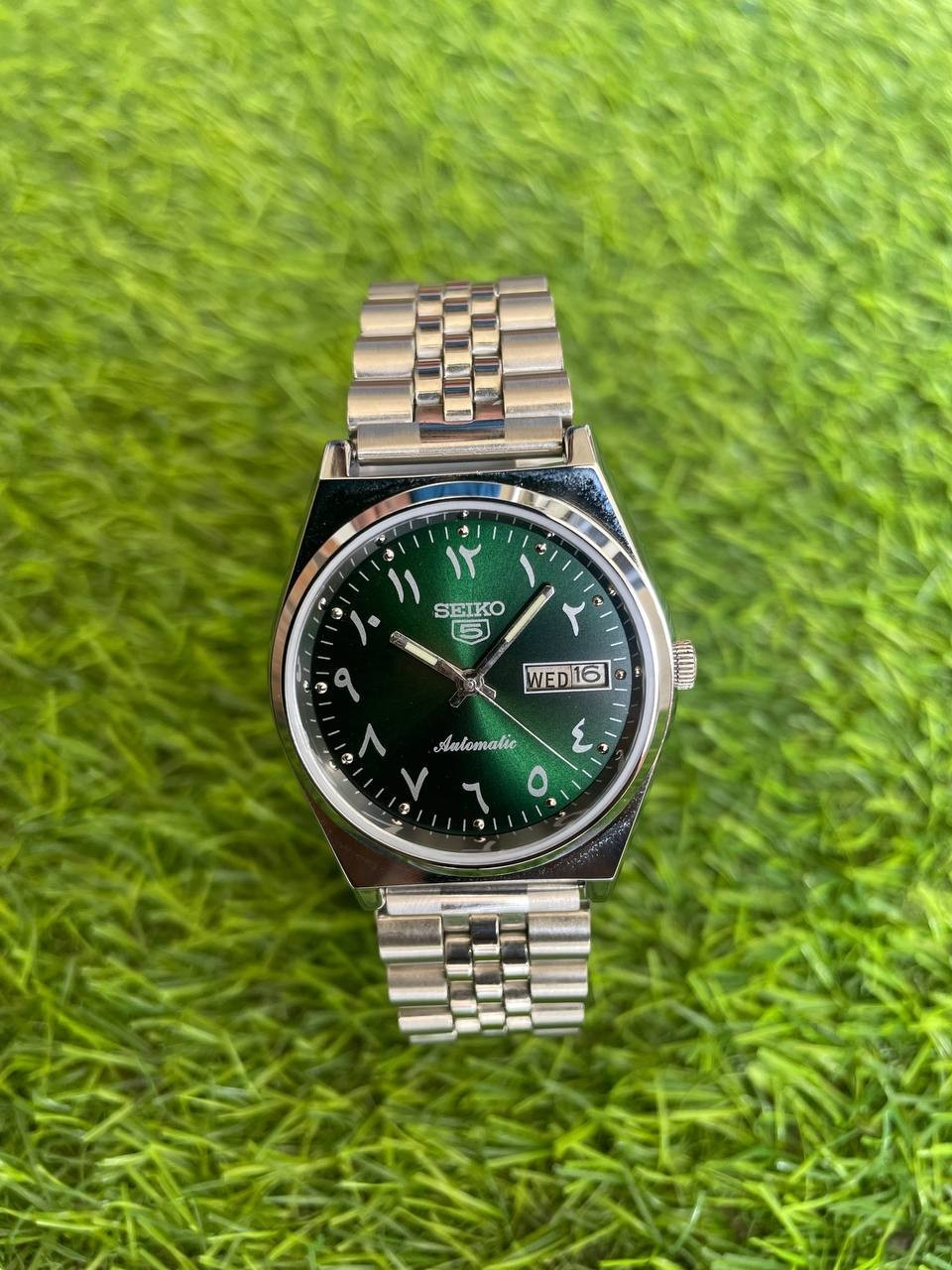
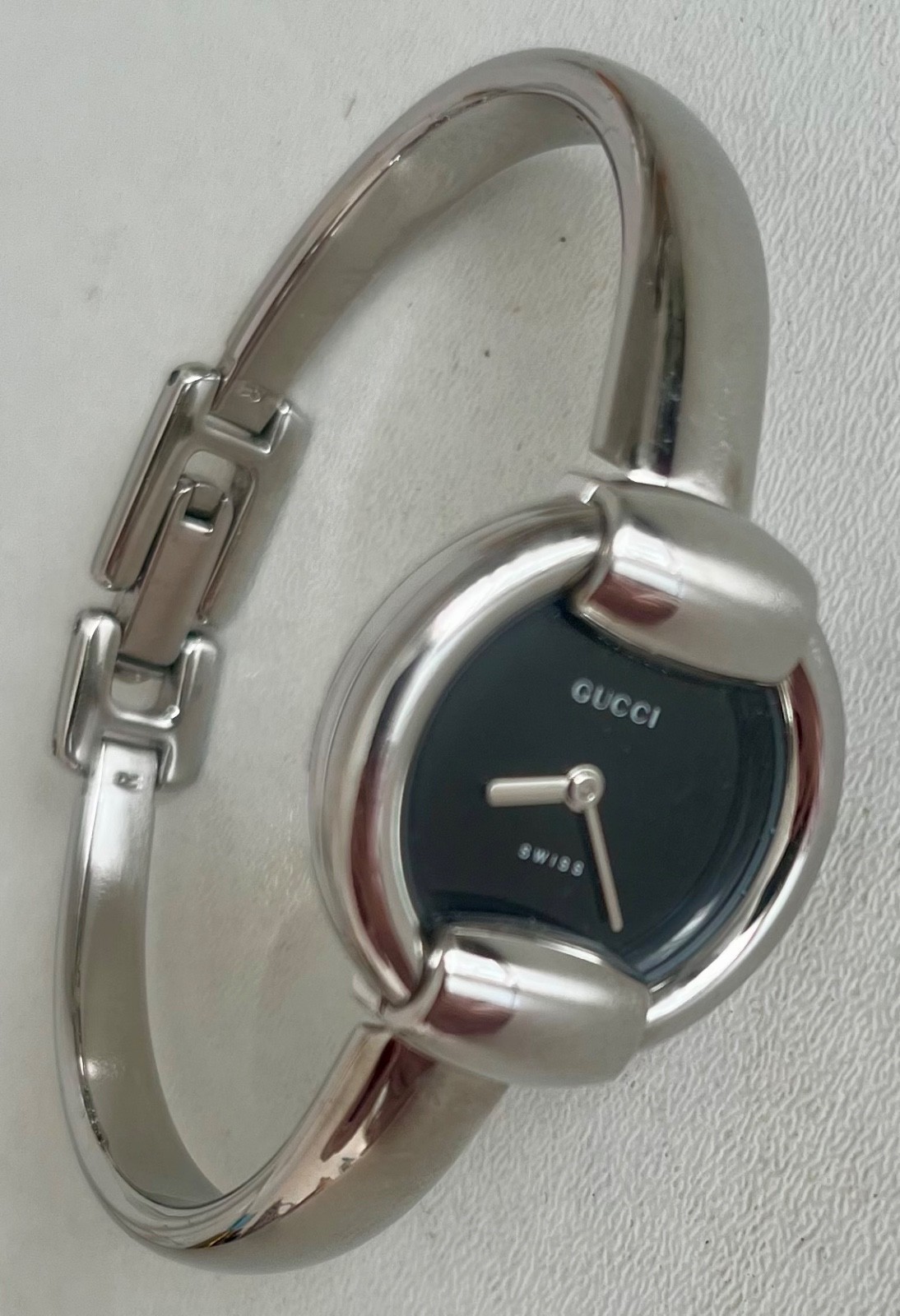

eBay links are affiliate links: JunkPal may earn a commission at no cost to you.