What does “watch provenance” mean?
What it means
Watch provenance is the verifiable, documented history of a specific timepiece. It is the chain of custody, detailing every owner, significant service event, and original context of the watch. This goes beyond simply having the original box; it requires paper trails—service records, receipts, or correspondence that links the watch to its history. In the collecting niche, this is the verifiable narrative. Mainstream equivalent: A complete paper trail or chain of title for an asset. It confirms the watch is genuine and establishes its pedigree.
What it does to price
Provenance directly influences market value by mitigating risk and enhancing desirability. A watch with flawless, documented provenance—e.g., a Patek Philippe registered to a known historical figure—can command a 30% to 100%+ premium over an identical, undocumented example. Conversely, a history marred by unexplained gaps or questionable servicing history can depress value by 15% to 40%. For instance, a Rolex Submariner with factory service records traceable to the US distributor might sell for $5,000 more than the same model without that documentation.
How to spot it
Provenance is not always obvious. Look for serial number matching across all documentation (watch, box, papers). Key tells include factory service stamps, dated paperwork, and original dealer invoices. Sellers must provide high-resolution photos of all papers, especially any stamps or handwritten notes. Red flags include generic, photocopied documents, or stories that contradict known historical sales patterns for that model. An honest mistake might be missing a minor service invoice; a red flag is a history that is entirely self-reported without external verification.
Buying smart
Paying a premium for provenance is justified when the watch is a high-value, historically significant piece (e.g., vintage complications, limited editions). If the watch is a common, modern entry-level model, the cost of acquiring and verifying provenance often outweighs the marginal price increase. A fair deal means the premium paid for the documentation is less than the projected increase in resale value, or at least matches the documented risk reduction. If the documentation is weak, the price should reflect that uncertainty.
Selling smart
When listing, provenance transforms a commodity into an asset with a story. Buyers pay significantly more for verifiable history. The single most valuable piece of evidence is a clear photograph of the watch’s serial number juxtaposed against the serial number on the accompanying original paperwork. Listing the watch as "Comes with full service history from authorized dealer" immediately separates it from the general market pool and justifies a higher asking price.
On eBay right now
Current asking prices from live listings — not sold-comp medians.


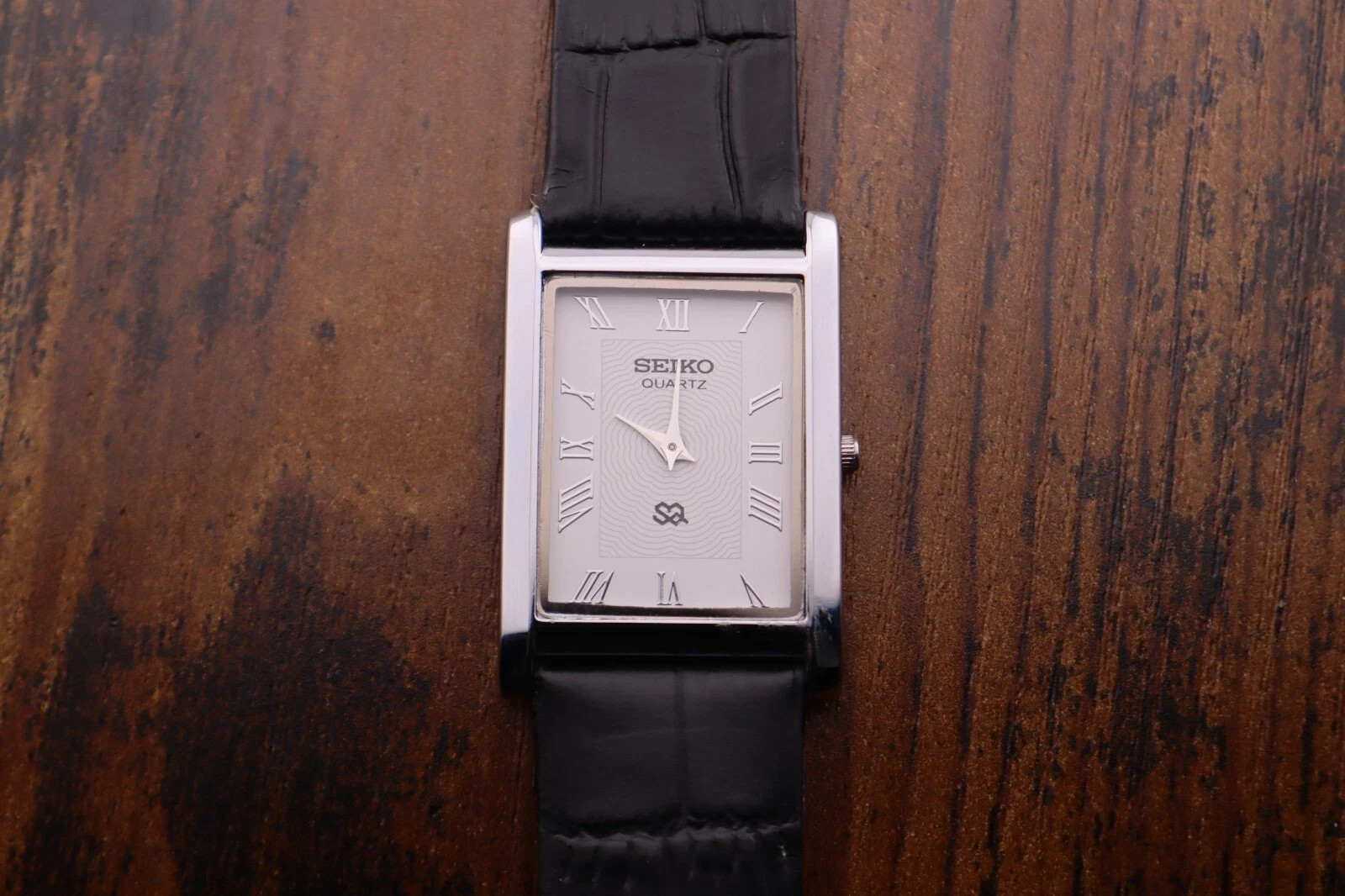
eBay links are affiliate links: JunkPal may earn a commission at no cost to you.