What does “trend spotting” mean?
What it means
Trend spotting in the collecting niche is the early identification of nascent consumer demand for specific items, styles, or product categories before mass market saturation occurs. This is the proactive search for "next big thing" inventory. The mainstream equivalent is market forecasting, but for collectors, it is applied to physical or digital assets. It is not merely tracking current bestsellers; it is identifying the *precursors* to those bestsellers. Successful trend spotting means acquiring assets when the supply-demand curve is heavily skewed toward low supply and low perceived demand.
What it does to price
Early trend adoption allows for significant margin capture. An item identified during the infancy of a trend can command a 3x to 10x premium over its initial acquisition cost, provided the trend accelerates. Conversely, buying into a trend after it hits peak visibility often results in a 0.5x to 0.8x depreciation relative to the high-water mark, due to market flooding. For example, if a niche vinyl pressing is acquired at \$20 during the early hype phase, it might sell for \$150 when the trend peaks, but if bought at \$60 after the peak, it may only fetch \$50 due to oversupply.
How to spot it
Tells are often subtle. Look for early adoption in highly specific, non-mainstream communities (e.g., specific Discord servers, micro-forums, or academic/artistic circles) rather than general social media feeds. Key indicators include: limited edition run sizes, unusual material choices, or early pressings/prototypes that lack standard market identifiers. Sellers should be asked for production run numbers or specific manufacturing batch codes. Common mistakes to watch for are early-run promotional items that were never intended for general sale, which can be highly valuable if authenticated.
Buying smart
Paying a premium for a trend-spotting acquisition is justifiable only when the underlying indicator suggests exponential growth, not linear growth. The premium is warranted when the item is demonstrably scarce (low reported production numbers) and the demand signal is coming from a high-net-worth or highly dedicated collector segment, not just casual buyers. A fair deal involves a significant discount compared to the *projected* peak price, not just the current secondary market average. If the trend is based on fleeting aesthetic novelty, the premium is too high.
Selling smart
Proving the item’s place within an emerging trend directly validates the high acquisition cost. Listings must articulate *why* the item is ahead of the curve. The single most effective element is providing documentation—a photo of an early collector's receipt, a printout of a niche forum discussion praising the item, or a specific detail marking its early production run. This moves the item from being merely "rare" to being "historically significant to an emerging movement," justifying a higher price bracket.
On eBay right now
Current asking prices from live listings — not sold-comp medians.
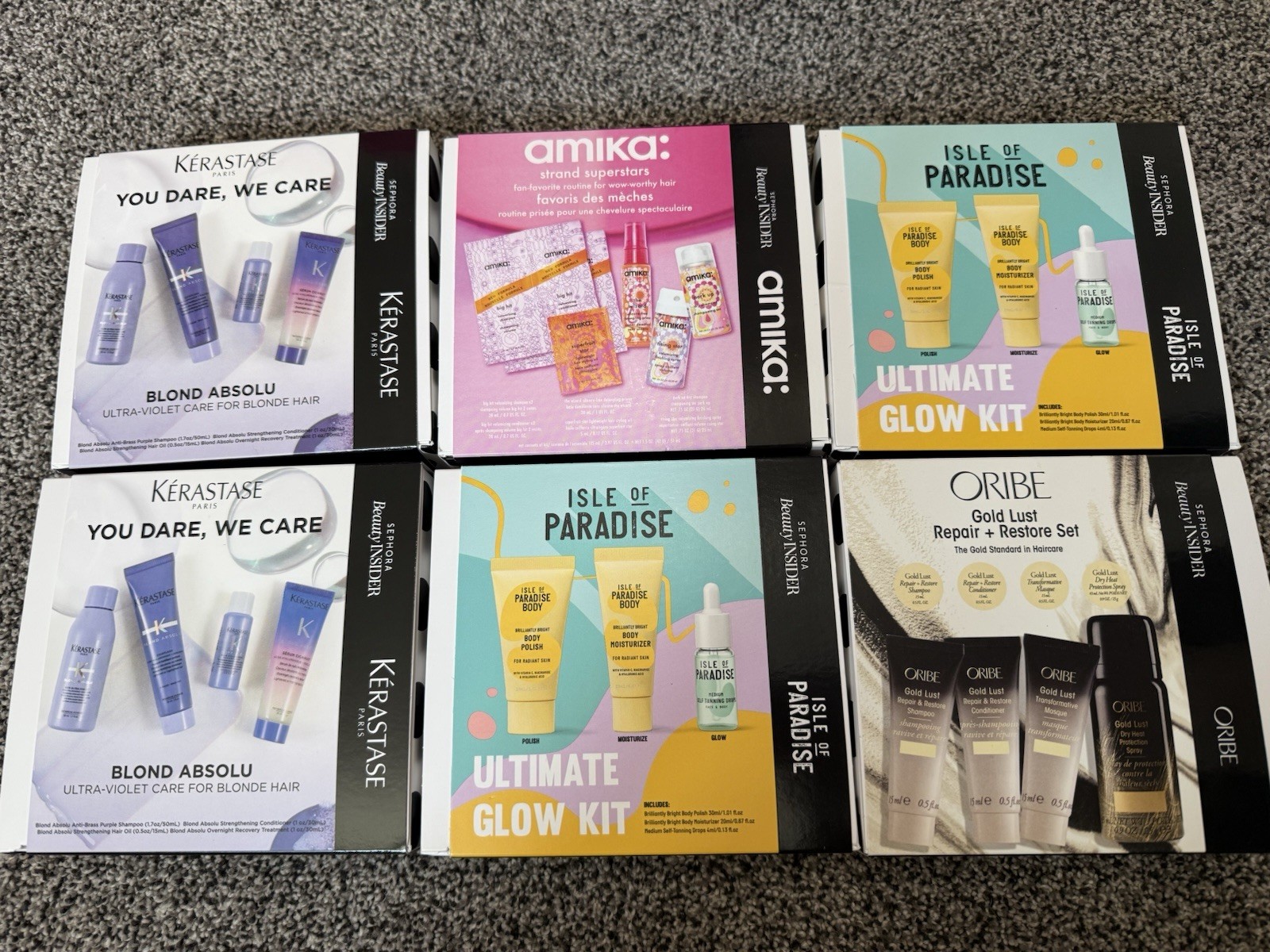



eBay links are affiliate links: JunkPal may earn a commission at no cost to you.