What does “speculative buying” mean?
What it means
Speculative buying is acquiring an item with the explicit goal of reselling it later for a higher profit. It is distinct from simple collecting, which focuses on personal enjoyment or completion. Resellers engage in this when they forecast a future market shift—such as a licensing expiration, a scarcity event, or a rising trend in a specific sub-niche. For collectors, this means buying limited runs before they achieve mainstream collector status. The core mechanism is betting on future demand outpacing current supply.
What it does to price
Speculative interest drives prices above intrinsic value. For highly anticipated items, initial secondary market prices can be 2x to 5x the original retail price. Price inflation is triggered by announcements of scarcity (e.g., "final run," "delisted"). Conversely, if the anticipated trend fails to materialize, the item can quickly depreciate, potentially losing 30% or more of its speculative premium. A concrete example: a sealed, limited-run trading card initially selling for \$50 might jump to \$250 if a major IP announcement drives collector fervor.
How to spot it
The tell is often the item’s current market velocity versus its perceived rarity. Look for items being aggressively marketed by resellers with vague "future potential" claims. Specific tells include early production runs, unreleased variant markers, or specific packaging variations that haven't yet been cataloged by major price guides. When assessing a listing, request high-resolution photos of serial numbers, internal production codes, and any unique print registration marks. Common mistakes include confusing a minor production error with a genuine, high-value variant.
Buying smart
Paying a speculative premium is justified when the item has verifiable, external validation of future scarcity or demand—such as a confirmed partnership with a major brand or a known, finite production run. It is not worth the premium based on "gut feeling" or general hype. A fair speculative deal requires the asking price to be within 1.5x to 2x the established secondary market average for similar, less hyped items, provided the item possesses clear, documented scarcity markers.
Selling smart
Proving the item’s speculative potential in a listing maximizes buyer willingness to pay. This is achieved by clearly documenting the scarcity. The single most effective element is providing photographic proof of edition numbering or a certificate of authenticity linked to the production run. Using terms like "Verified Limited Run" or "First Press Variant" signals to knowledgeable buyers that the item possesses the documented scarcity that justifies the premium, moving the sale from casual interest to investment acquisition.
On eBay right now
Current asking prices from live listings — not sold-comp medians.
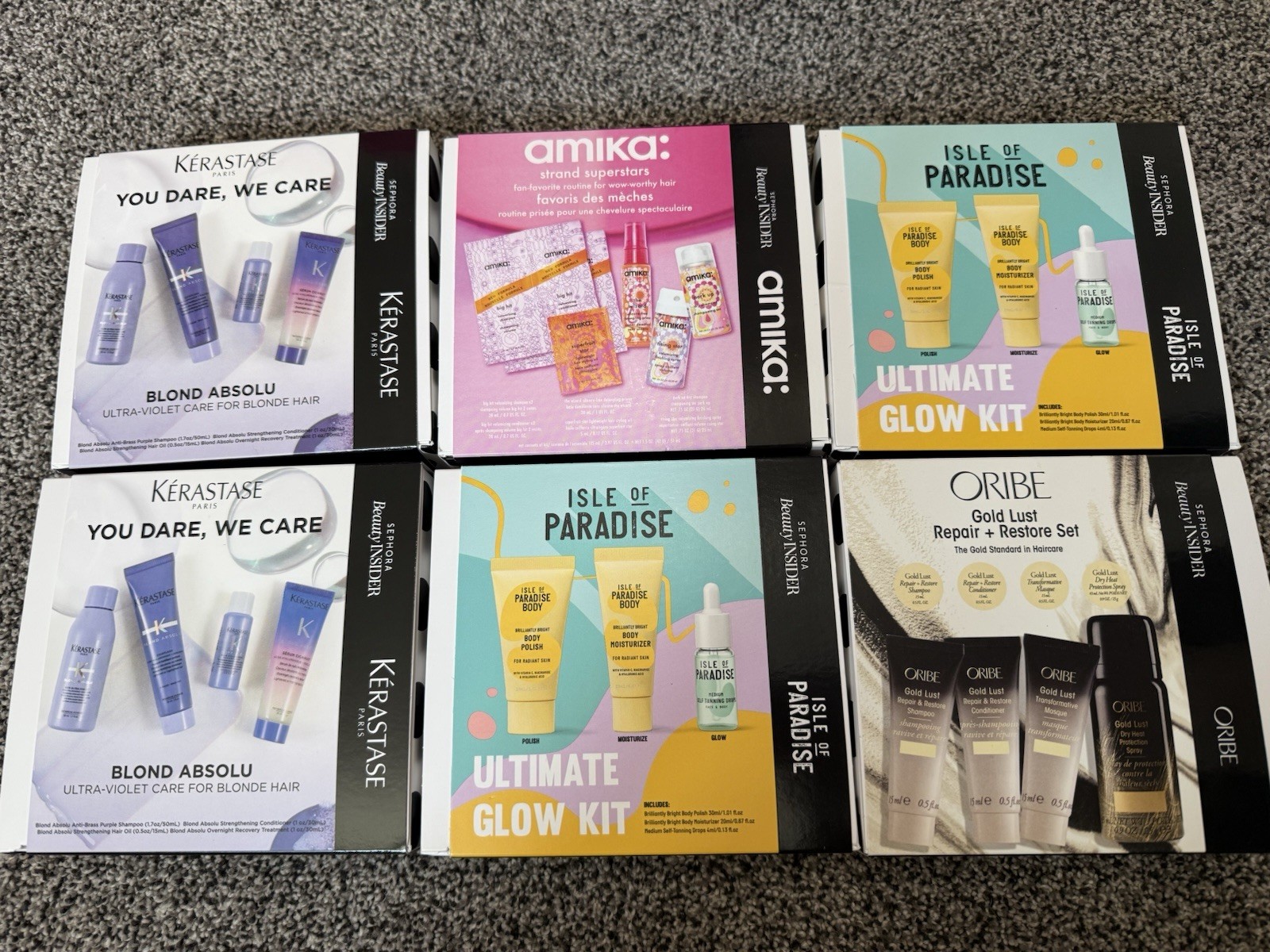



eBay links are affiliate links: JunkPal may earn a commission at no cost to you.