What does “review mining” mean?
What it means
Review mining in this context is the systematic aggregation and analysis of user-generated feedback concerning specific collectibles or products. It moves beyond simple sentiment tracking; it focuses on feature-level analysis. Instead of just knowing a product is "good," the process identifies *why* buyers rate it highly—e.g., "the matte finish holds up better than the gloss" or "the included accessory is unexpectedly robust." For resellers, this translates mainstream consumer satisfaction data into actionable inventory intelligence. It pinpoints which specific attributes drive perceived value, allowing for precise targeting in listings.
What it does to price
Review mining directly impacts perceived value, which translates to sales velocity and margin. Positive mentions of durability or unique aesthetic elements can support a 10-25% premium over items without documented positive feedback. Conversely, repeated complaints regarding minor defects (e.g., "paint chips near the seam") can justify a 5-15% discount or necessitate listing the item as "as-is." If a review thread heavily praises a specific, hard-to-find variant feature, that variant can command a 2x multiplier over standard listings. A common defect mentioned repeatedly might reduce the asking price by $10-$30 depending on the item's base value.
How to spot it
The tells are not physical markers on the item itself, but rather patterns in external data. Sellers who conduct review mining will often reference specific, highly-praised features in their own descriptions, using language lifted directly from positive feedback loops. When examining listings, look for overly specific praise that mirrors niche community discussions rather than generic marketing copy. A seller who has done this may proactively disclose minor, commonly complained-about flaws (e.g., "minor seam stress visible under high light") before the buyer asks, signaling they have done due diligence.
Buying smart
Paying a premium based on review mining is justified when the identified positive attributes are mission-critical to the item's desirability or long-term functionality. For example, if reviews consistently praise a specific material's longevity, paying more for that documented quality is sound. It is not worth the premium if the praised feature is subjective or easily replicated. A fair deal involves the asking price reflecting the *average* positive sentiment found in the aggregated reviews, not just the highest outlier endorsement. If the item is priced significantly above the average consensus, the risk of purchasing a flawed unit increases.
Selling smart
Proving that the item possesses the highly-rated features is the primary driver of premium pricing. The one element that earns the premium is a photograph or detailed text snippet that directly references the positive review data. Instead of stating "Good condition," a seller proves value by stating, "Features the highly-praised [Specific Component] noted in collector feedback for superior retention." Including a brief, sourced quote (if permissible) or a dedicated photo highlighting that praised feature justifies moving the item from a standard listing to a premium, value-backed listing, typically commanding a 15-25% uplift.
On eBay right now
Current asking prices from live listings — not sold-comp medians.
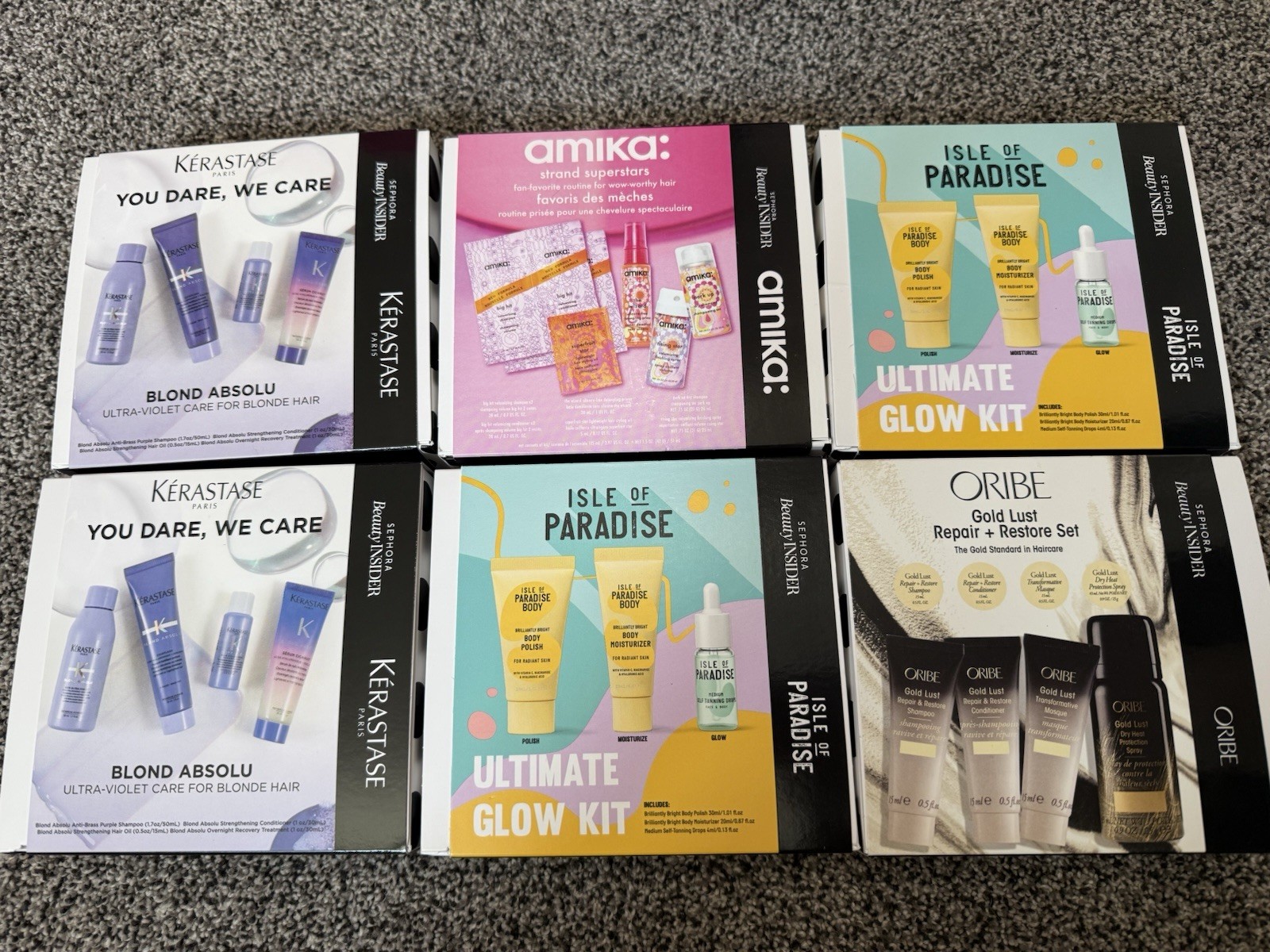


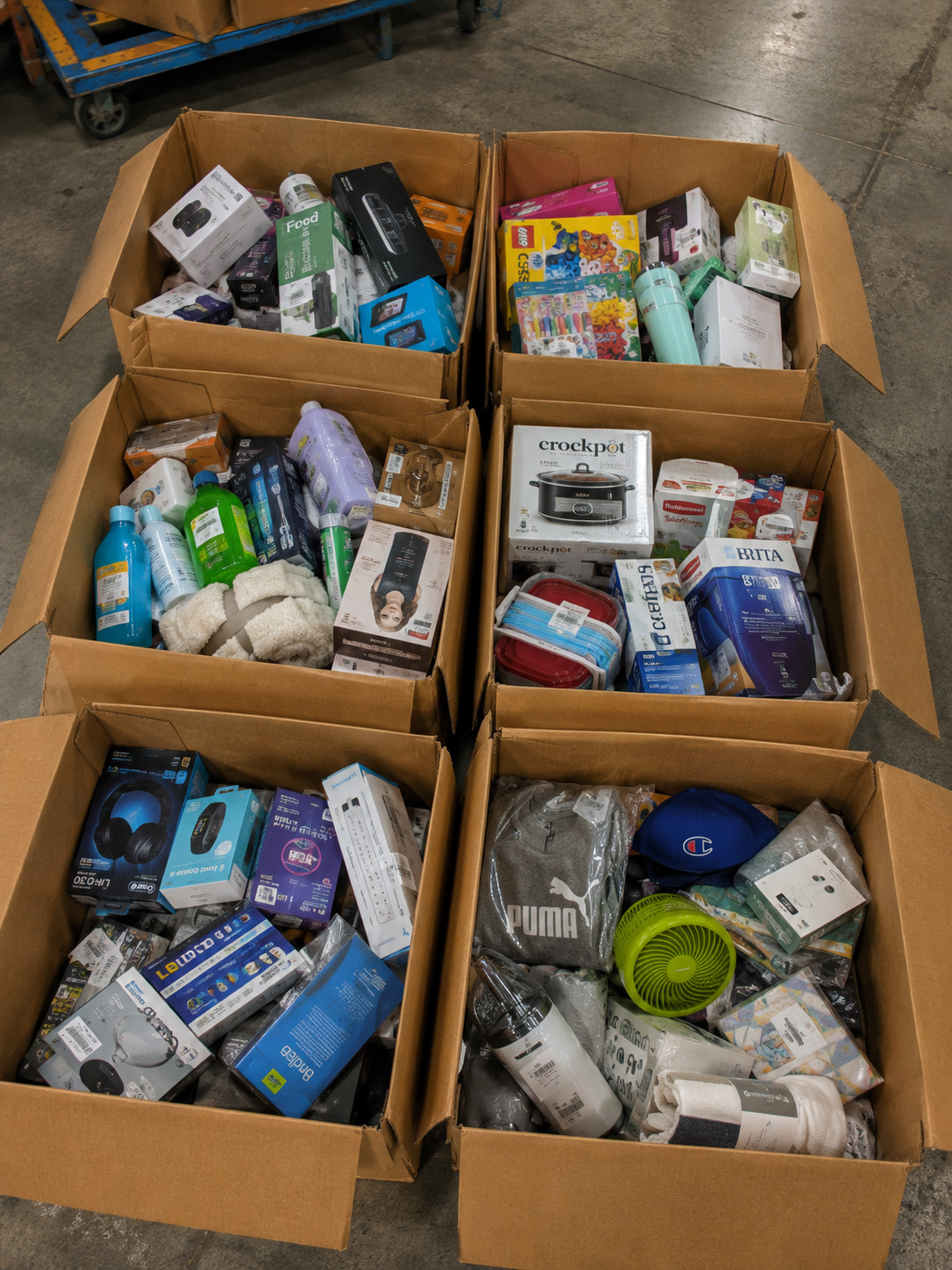
eBay links are affiliate links: JunkPal may earn a commission at no cost to you.