What does “reseller network” mean?
What is a Reseller Network?
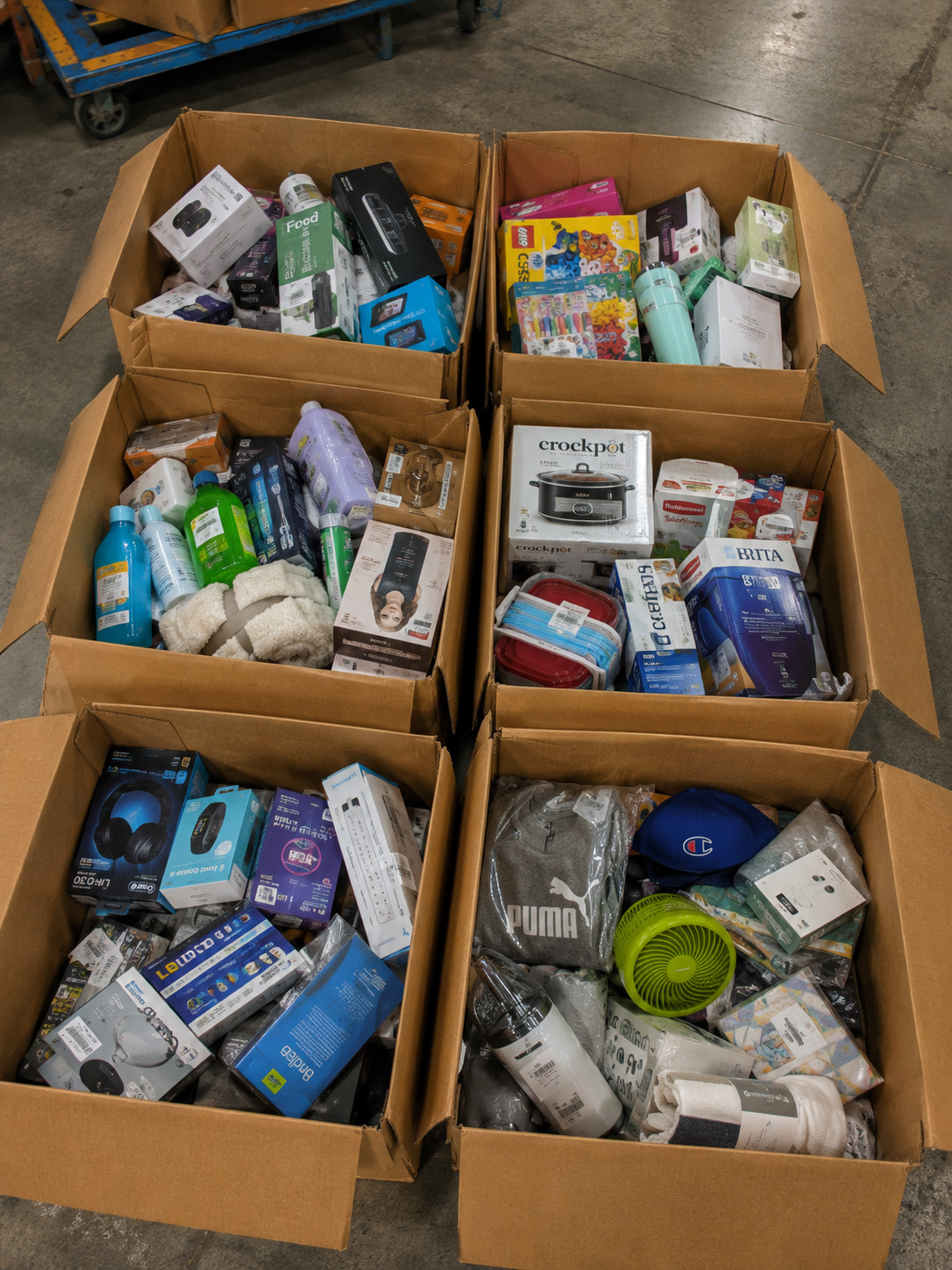
A reseller network in the collecting niche is a formalized or informal ecosystem connecting multiple buyers, sellers, and distributors of specific collectible items. It is more than just a group of individuals selling together; it implies a structured, reliable flow of inventory. This structure ranges from large, established wholesale operations (like major comic distributors) to specialized, private online groups facilitating niche item trades. For collectors and resellers, this network functions as a centralized, vetted market access point, essentially acting as a specialized B2B supply chain for secondary market goods.
How Does It Affect Resale Value?
Inclusion within a reliable reseller network generally increases liquidity and can support a higher baseline price. Items sourced through these channels are often pre-vetted, authenticated, or come from guaranteed bulk lots, which reduces the buyer's risk. For high-demand, scarce items, network access can yield a measurable premium over purely independent retail listings because the network guarantees a ready buyer base. This premium can range from 10% to 25% depending on the scarcity and the network's reputation for authenticity. Conversely, if the network lacks quality control, the price may be suppressed. For instance, a sought-after, sealed vintage toy line available only through a known distributor network might command a price significantly higher than the same item listed individually on a general marketplace.
How to Spot and Verify a Network
Identifying a genuine network connection requires looking beyond the item itself. Look for standardized packaging, consistent sourcing metadata, or batch numbering if applicable. In digital listings, a seller referencing "wholesale acquisition" or "network lot" without verifiable proof is a significant red flag. For physical items, demand documentation showing the item passed through a specific, known distribution point, not just a private collection. Be wary of sellers misrepresenting small bulk lots as single, high-grade units. If you are looking to understand the mechanics of sourcing, reviewing our guide on [Grading Standards] can help you assess the item quality regardless of its source.
Practical Examples in Action
Example 1: Trading Cards. A high-grade, sealed booster box from a limited-run set might be acquired by a specialized card distributor network. Because the network guarantees the box is genuine and comes from a controlled supply chain, the distributor can list it with confidence, often achieving a price point that is 15-20% higher than what an individual collector might list on a general marketplace.
Example 2: Vintage Media. A small, specialized network dealing in rare VHS tapes might acquire a bulk lot of tapes from a defunct regional distributor. By selling this lot as "Network Verified Lot," the seller signals to serious collectors that the items are authentic and sourced professionally, justifying a higher per-unit price than if the tapes were sold as "garage sale finds."
Buying and Selling Smartly
Buying Smart: Paying a premium for network access is justifiable only when the item's provenance (history of ownership/source) is critical to its value—such as authenticated grading or limited-run printings. The premium is warranted when the network guarantees scarcity or authenticity that you cannot verify yourself. A fair deal requires a clear markup structure: acquisition cost plus a transparent, reasonable handling/network fee (ideally under 20%). If the fee is opaque or excessive, the risk outweighs the benefit.
Selling Smart: Listing an item as "Sourced via Verified Network" or "Wholesale Lot" immediately signals legitimacy to high-volume buyers. The single most effective addition to a listing is a brief, verifiable statement confirming the source channel (e.g., "Acquired via [Known Distributor Name] Lot #45B"). This status reduces the buyer's due diligence risk to near zero, which is a key factor in determining the final sale price. For deeper insights into market dynamics, check our [Pricing Guide].
FAQ
Q: Is every reseller network legitimate?
A: No. The term describes a structure, not a quality guarantee. Many low-tier or informal networks are prone to counterfeits or price gouging. Always perform due diligence on the network's reputation before committing capital.
Q: How do I find out if a seller is part of a network?
A: Look for consistent sourcing language, standardized documentation, or references to specific wholesale channels in their listings. Vague claims of "network access" without supporting evidence should be treated with skepticism.
Q: How does network access compare to buying directly from a primary manufacturer?
A: Primary manufacturer sourcing offers the highest level of provenance, but network access often provides access to *secondary* or *bulk* inventory that the manufacturer no longer distributes. The network bridges the gap between primary supply and the secondary collector market.
Related on JunkPal
On eBay right now
Current asking prices from live listings — not sold-comp medians.



eBay links are affiliate links: JunkPal may earn a commission at no cost to you.