What does “reseller agreement” mean?
What it means
A reseller agreement is a legally binding contract between a supplier and a retailer regarding the distribution of specific items. In the collecting niche, this agreement governs how specific lines of goods are sourced, priced, and sold. It is not merely a general sales contract; it dictates the operational rules of the supply chain. These rules often cover minimum order quantities (MOQs), agreed-upon wholesale pricing tiers, mandatory branding requirements, and exclusivity clauses. The mainstream equivalent is a wholesale distribution contract. For collectors and resellers, this document defines the authorized path to acquiring inventory and the parameters under which that inventory can be marketed.
What it does to price
The existence of a formal reseller agreement typically establishes a baseline cost reduction compared to retail market prices. If an agreement grants access to a primary distribution channel, the acquisition cost might be 40-60% below MSRP. However, the final selling price is dictated by the agreement's terms regarding authorized markups. If the agreement mandates a specific minimum retail price (MAP), the reseller cannot undercut that price. Conversely, if the agreement is poorly structured, it can impose restrictive clauses that prevent necessary price adjustments during market fluctuations, effectively capping potential profit margins. A small, unauthorized deviation from an agreed-upon inventory level can trigger penalties, costing hundreds of dollars in fees.
How to spot it
Direct evidence of a reseller agreement is rarely visible on the item itself. Instead, it is found in the documentation provided by the seller or distributor. Look for invoices that reference specific "Distributor IDs," "Authorized Dealer Codes," or tiered pricing schedules. If a seller is offering an item with a clear, traceable provenance linked to a known manufacturer's distribution network, that suggests an agreement exists. Common red flags are items sold without any associated paperwork, or sellers claiming "exclusive access" without providing any supporting documentation. Fakes often lack the standardized batch or SKU numbering dictated by such agreements.
Buying smart
Paying a premium for an item sourced via a documented reseller agreement is justified when the item is high-demand, scarce, or requires guaranteed authenticity verification. This premium buys supply chain security and reduced risk of counterfeit goods. It is not worth the premium if the item is common or if the agreement itself is vague regarding return policies or authenticity guarantees. A fair deal involves a verifiable discount off the standard secondary market price, balanced against the cost of the required administrative paperwork or exclusivity fees. If the discount is negligible, the risk premium is unwarranted.
Selling smart
Proving an item originated through a legitimate reseller agreement significantly increases perceived value, especially for high-end or limited-edition collectibles. This proof shifts the item from "used market" to "verified distribution stock." The single most effective element to include in a listing is a photograph of the associated, non-confidential invoice or Certificate of Authenticity (COA) that references the authorized distribution channel. This documentation allows buyers to trust the item’s origin, often justifying a 10-25% premium over comparable listings lacking provenance.
On eBay right now
Current asking prices from live listings — not sold-comp medians.


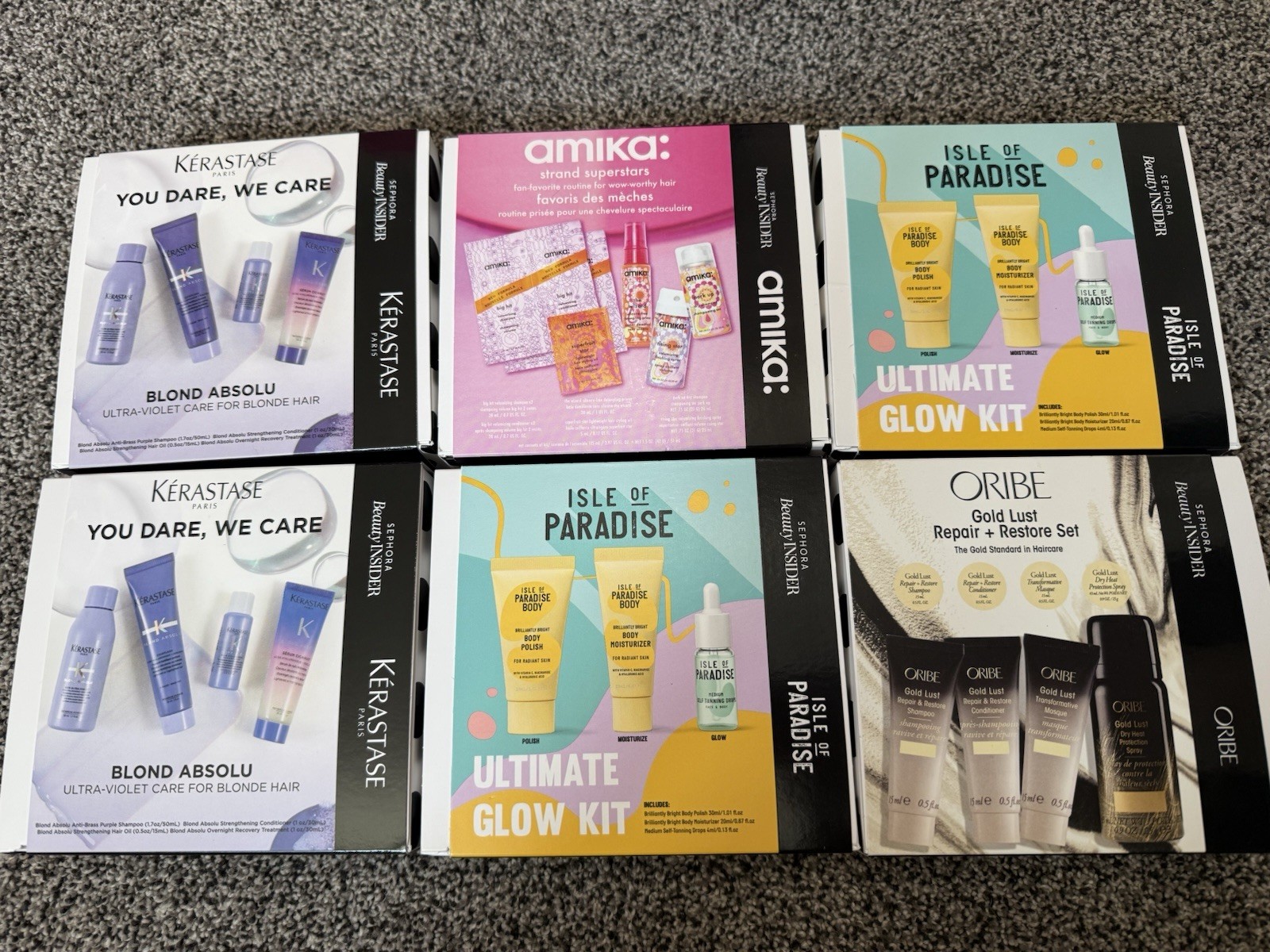

eBay links are affiliate links: JunkPal may earn a commission at no cost to you.