What does “private label” mean?
What it means
Private label refers to goods manufactured by a third party but sold under a proprietary brand name created by the reseller or retailer. This contrasts directly with branded merchandise (e.g., official Adidas gear). In the collecting niche, these items are not tied to established intellectual property (IP) value. The value rests entirely on the quality of the execution, the uniqueness of the design, or the strength of the seller's own brand reputation. Mainstream equivalent: White-labeling or proprietary goods.
What it does to price
Price determination is volatile. Without established brand equity, pricing relies heavily on perceived quality versus cost of goods. A well-executed, unique private label item can fetch 1.5x to 3x the cost of materials if the design is strong and the seller has a following. Conversely, poor construction or generic design keeps the price near cost. For example, a basic private label graphic tee made with cheap polyester might sell for $15, whereas the same design executed on heavyweight, pre-shrunk cotton might command $35, even without a famous brand name attached.
How to spot it
The primary tell is the lack of recognizable corporate branding. Inspect tags for generic manufacturing information rather than established corporate logos. For apparel, check stitching density, tag printing quality, and material composition labels—look for specific fiber content (e.g., 100% combed ring-spun cotton). For accessories, examine hardware finish consistency. Common honest mistakes include misaligned logos or inconsistent color matching between components. Fakes are rare unless the private label is attempting to mimic a known aesthetic; the risk here is usually poor quality, not counterfeiting.
Buying smart
Paying a premium is justifiable only when the private label item demonstrates superior construction or features a highly desirable, unique design that is not easily replicated. If the item is a direct, uninspired copy of a popular style but uses low-grade materials, the premium is unwarranted. A fair deal involves the selling price being within 2x to 3x the verifiable wholesale/material cost, assuming the item is complete and in excellent condition. If the item is priced significantly higher without clear evidence of superior materials or scarcity, the risk is too high.
Selling smart
To command a higher price, the listing must shift focus from the *brand* to the *craftsmanship*. Detailed photos showing close-ups of seams, material texture, and tag construction are non-negotiable. The listing description must explicitly detail the materials used (e.g., "Heavyweight 8oz Cotton," "Solid Brass Hardware"). Using the word "Artisan" or specifying the construction method (e.g., "Double-stitched") provides the necessary narrative to justify a premium over generic, unvetted inventory.
On eBay right now
Current asking prices from live listings — not sold-comp medians.
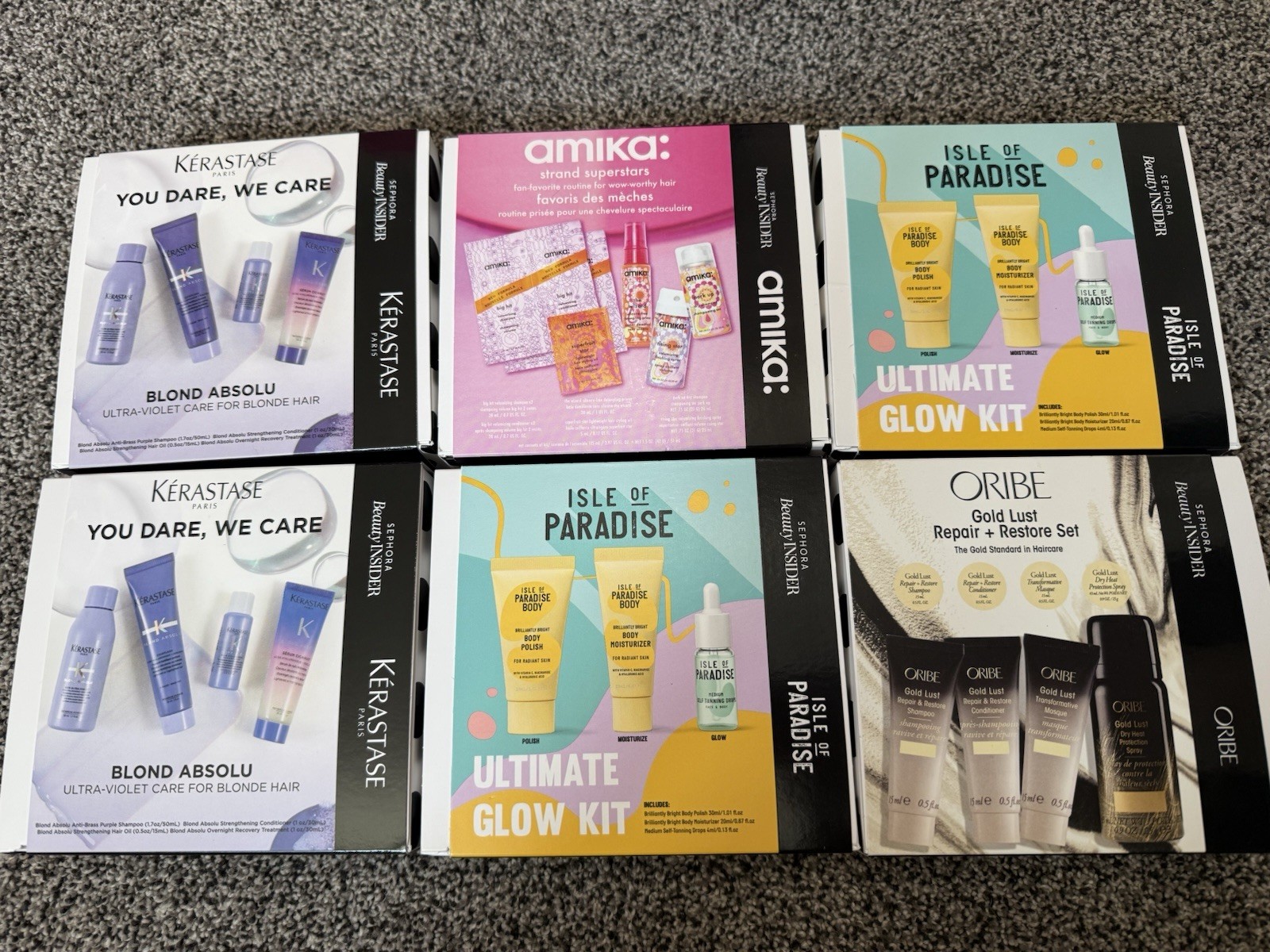


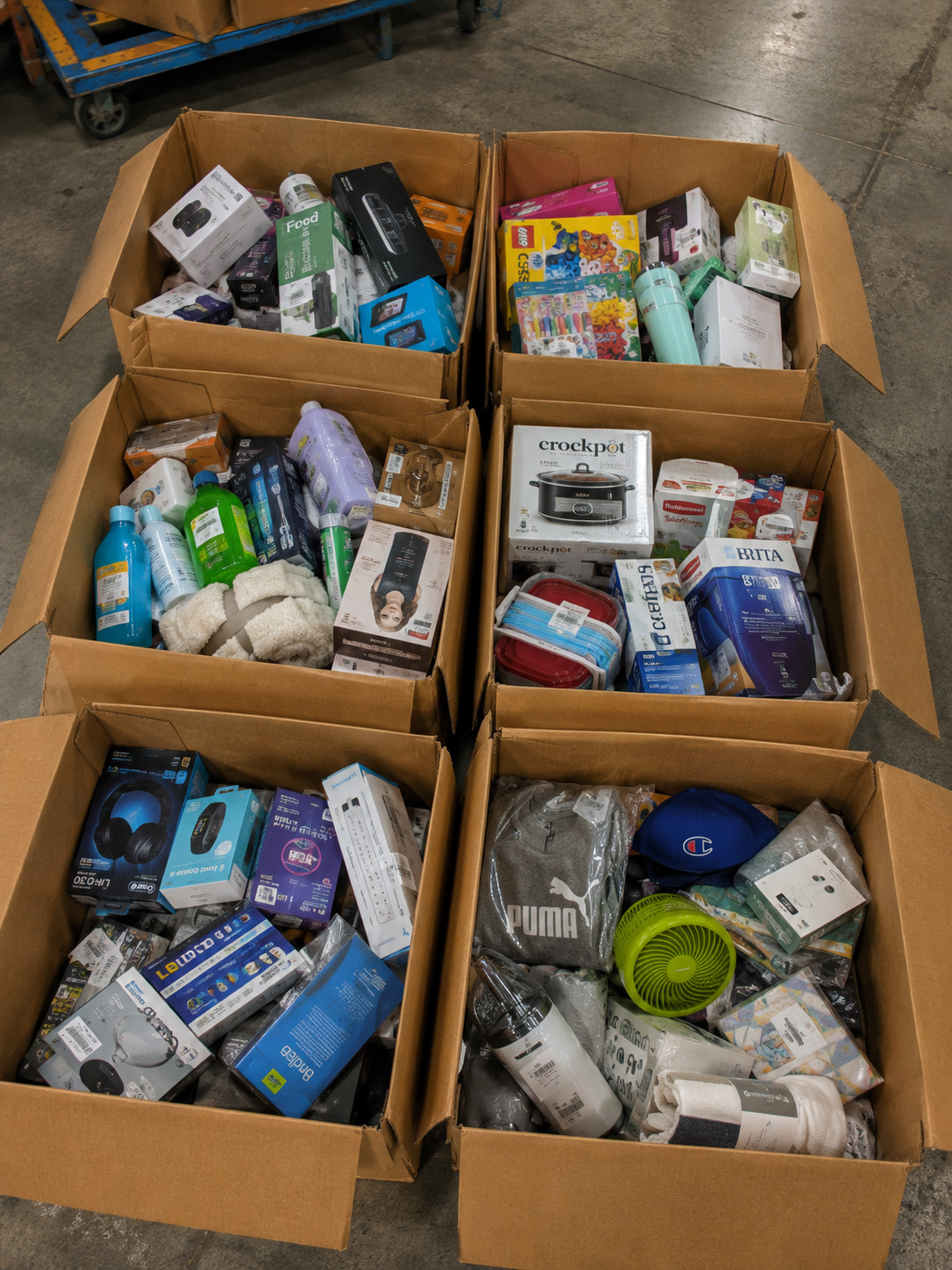
eBay links are affiliate links: JunkPal may earn a commission at no cost to you.