What does “pop culture items” mean?
What it means
Pop culture items are tangible goods derived from mass-market media properties. This category includes, but is not limited to, merchandise related to film, television, comic books, video games, and music. The term covers everything from licensed action figures and vinyl pressings to branded apparel and replica props. The niche focus is on collectible value, meaning the item must be recognizable to a specific, engaged fanbase (fandom). Unlike general merchandise, the value is tied directly to the intellectual property's cultural footprint and collectible rarity, not just its utility.
What it does to price
Price fluctuation is extreme and volatile. A high-demand, limited-edition item from a currently trending franchise can see price multipliers of 5x to 20x over its original retail cost. Conversely, generic, mass-produced items from older, defunct properties may sell for 10-25% of retail, or less if damaged. Condition acts as a major multiplier: a graded, sealed item (e.g., CGC or AFA graded) can command a 3x to 10x premium over an equivalent loose item. A common price driver is scarcity; an item listed as "Limited Run" or "First Pressing" will consistently outperform a standard release.
How to spot it
Verification requires checking licensing marks, manufacturer stamps, and edition numbering. For figures, look for copyright dates and specific mold variations; these denote production runs. For apparel, inspect tag stitching and material composition against known authentic examples. Sellers must provide high-resolution photos of all angles, especially packaging seals and any visible serial numbers. Common errors include mislabeling (e.g., labeling a standard release as "Exclusive") or "re-releases" being passed off as original first-run items. Fakes often exhibit poor paint application or incorrect material weight.
Buying smart
Paying a premium is justified only when the item is demonstrably scarce, comes from a critically acclaimed or currently hyped franchise, and is in near-mint or graded condition. If an item is common, widely available, or lacks clear documentation of its limited nature, the premium is usually unwarranted. A fair deal requires the asking price to be within 1.5x to 3x the established secondary market average for that specific condition tier. If the asking price exceeds 4x the average without verified grading or extreme scarcity proof, caution is advised.
Selling smart
Listing must immediately establish provenance and condition. The single most valuable asset in a listing is photographic proof of the item's condition—clear, well-lit photos of the entire piece and any packaging seals. For high-value items, including documentation (e.g., receipt, certificate of authenticity) in the listing description justifies a higher tier of pricing. Using specific fandom terminology in the title (e.g., "Vintage [Franchise Name] Variant") targets the most knowledgeable buyers, who are willing to pay more for niche accuracy.
On eBay right now
Current asking prices from live listings — not sold-comp medians.


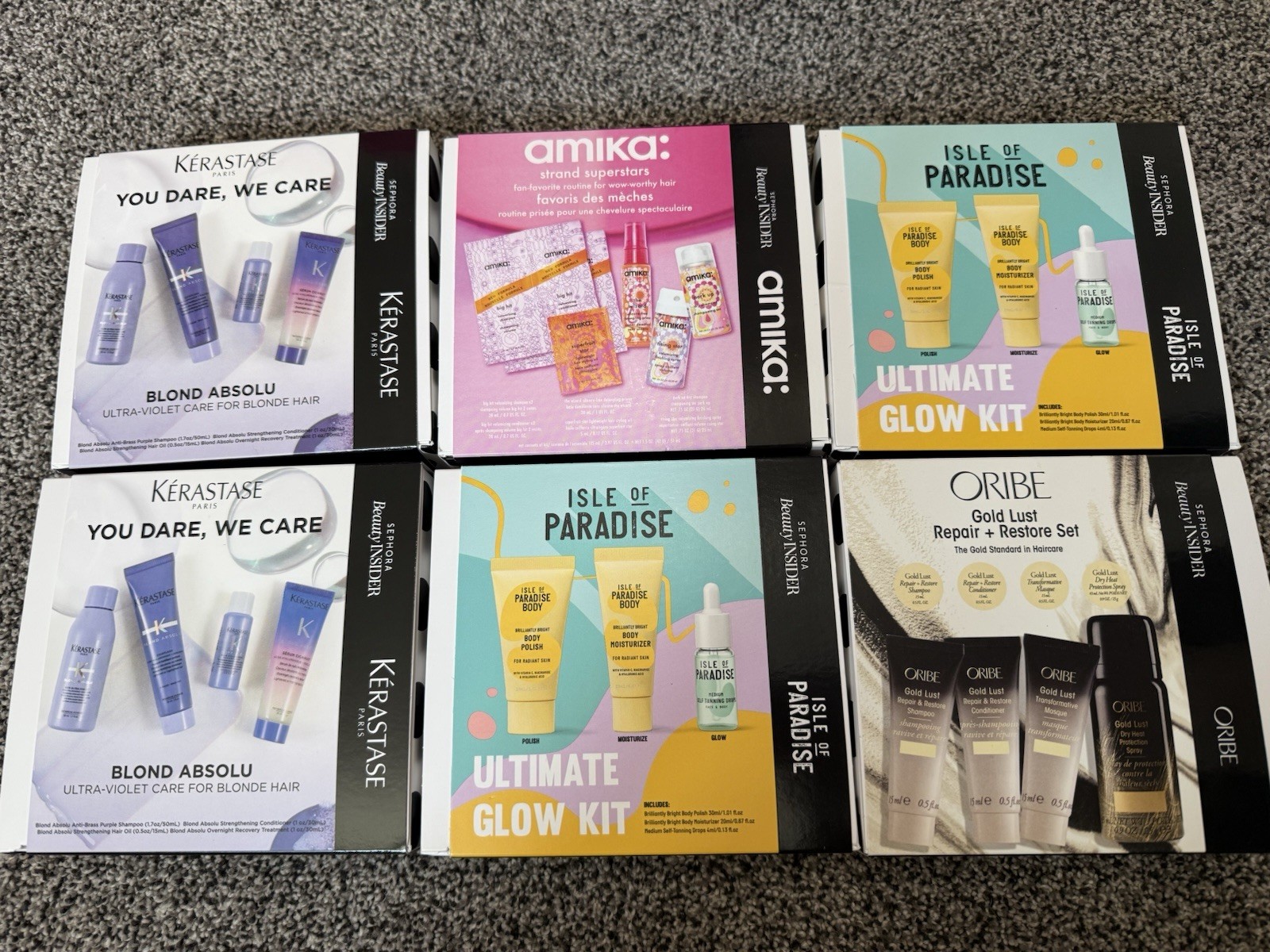

eBay links are affiliate links: JunkPal may earn a commission at no cost to you.