What does “platform policy” mean?
What it means
Platform policy refers to the specific operational rules enforced by online marketplaces (eBay, Etsy, Amazon, etc.) governing the sale of collectible goods. This encompasses listing standards, prohibited item categories, required disclosure of condition, and mandated shipping/return protocols. For resellers, this is not about the item's inherent value but the rules of the *transaction*. Violations risk account suspension or listing removal, directly impacting sales viability. The mainstream equivalent is the marketplace's Terms of Service.
What it does to price
Platform policy rarely affects the intrinsic value of a collectible item itself, but it dictates the *transactional viability* and perceived risk. Listings that adhere perfectly to policy (e.g., clear condition grading, accurate categorization) command a lower risk premium from buyers. A listing that skirts policy (e.g., vague descriptions, non-standard shipping) may require a 5-15% discount to offset the buyer's perceived risk of a dispute or return. If a listing is flagged or removed due to policy breaches, the potential loss is 100% of the expected sale price.
How to spot it
Spotting platform policy adherence is about verifying the seller's compliance, not the item's authenticity. Look for sellers who use standardized condition terminology matching the platform's accepted lexicon (e.g., "Near Mint" vs. "Excellent"). Check the listing details for mandatory fields—if a seller omits required shipping insurance details, that is a policy gap. Common mistakes include failing to clearly state if an item is a reproduction versus an original, which violates most platform rules against misrepresentation.
Buying smart
Paying a premium for a listing that is perfectly compliant is often worthwhile. A listing that clearly states its provenance, adheres to all return policies, and has a high seller rating (indicating past policy adherence) reduces buyer friction. When buying, a fair deal reflects the *risk profile*. If a seller is new or has a history of policy violations, the purchase price should reflect an added 10-20% buffer against potential transaction failure or disputes.
Selling smart
Proving adherence to platform policy in the listing directly increases buyer confidence, allowing for premium pricing. A single, high-resolution photo clearly showing the item’s serial number or edition stamp, coupled with a detailed description that explicitly references the platform’s accepted grading scale, earns trust. This transparency minimizes buyer hesitation and reduces the likelihood of "item not as described" claims, supporting a higher final sale price.
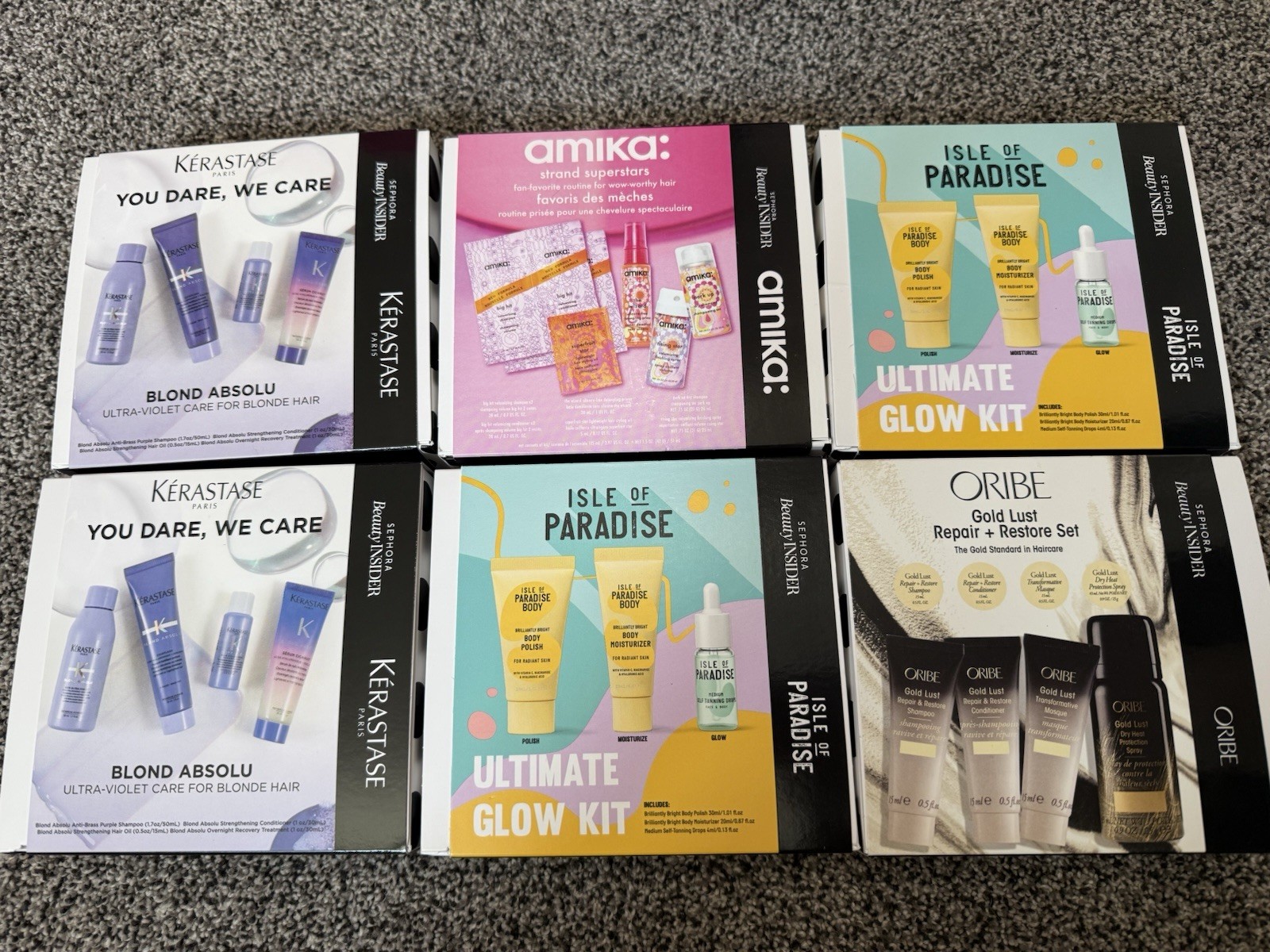
On eBay right now
Current asking prices from live listings — not sold-comp medians.



eBay links are affiliate links: JunkPal may earn a commission at no cost to you.