What does “pinterest selling” mean?
What it means
Pinterest selling is the strategic use of the Pinterest platform as a visual merchandising and traffic generation tool for resale items. It is not the marketplace itself; it is the top-of-funnel marketing layer. Resellers create highly curated boards that function as visual mood boards, grouping inventory by aesthetic, theme, or desired lifestyle rather than just product category. This differs from standard e-commerce search, which relies on keywords. Pinterest allows buyers to discover items based on inspiration—e.g., "Cottagecore Bedroom" rather than "Antique Lamp." The goal is driving qualified, high-intent traffic directly to the seller's external listings (Etsy, eBay, personal site).
What it does to price
The presence of active, professional Pinterest promotion does not directly inflate the intrinsic value of the item itself, but it significantly increases the *liquidity* and *perceived value* during the sale cycle. Items marketed effectively via Pinterest often sell faster and at a higher velocity. A piece that is heavily featured or linked from a well-established, high-traffic board can command a 10-20% premium over an identical item listed without visual social promotion, simply due to the guaranteed visibility. For example, a $50 vintage ceramic bowl listed with strong Pinterest promotion might sell for $55 quickly, whereas the same listing without promotion might sit for weeks.
How to spot it
The tell is the linkage. A seller promoting via Pinterest will have multiple, highly specific boards (e.g., "1970s Bohemian Textiles" instead of "Vintage"). Look for consistent visual branding across their Pins. If a seller claims to use Pinterest but only posts random, low-resolution photos without clear board organization, the effort is superficial. A genuine attempt involves linking Pins directly to a specific product listing, not just a general store page. Honest mistakes include vague board titles or inconsistent photo quality across their promoted content.
Buying smart
Paying a premium based solely on a seller's claim of "Pinterest marketing" is risky. The premium is only justified if the seller can demonstrate *active*, *specific* promotion linked to the item category, not just passive presence. A fair deal means the item's intrinsic condition and rarity justify the price, and the Pinterest promotion is a bonus that ensures a quicker sale. If the item is common, the marketing effort should not push the price beyond a 10% bump. If the item is rare, the marketing merely accelerates the inevitable high sale price.
Selling smart
To earn the premium associated with visual discovery, the listing must reflect the curated nature of the platform. The single most effective element is a "lifestyle shot"—a photo of the item styled within the aesthetic the board represents (e.g., the vintage lamp placed on a specific type of wood table with a specific type of plant). This photo validates the board's theme. Furthermore, using highly specific, trend-aligned keywords in the Pin description (e.g., "Mid-Century Modern Danish Design") acts as a secondary SEO layer, converting passive browsing into active purchasing intent.
On eBay right now
Current asking prices from live listings — not sold-comp medians.


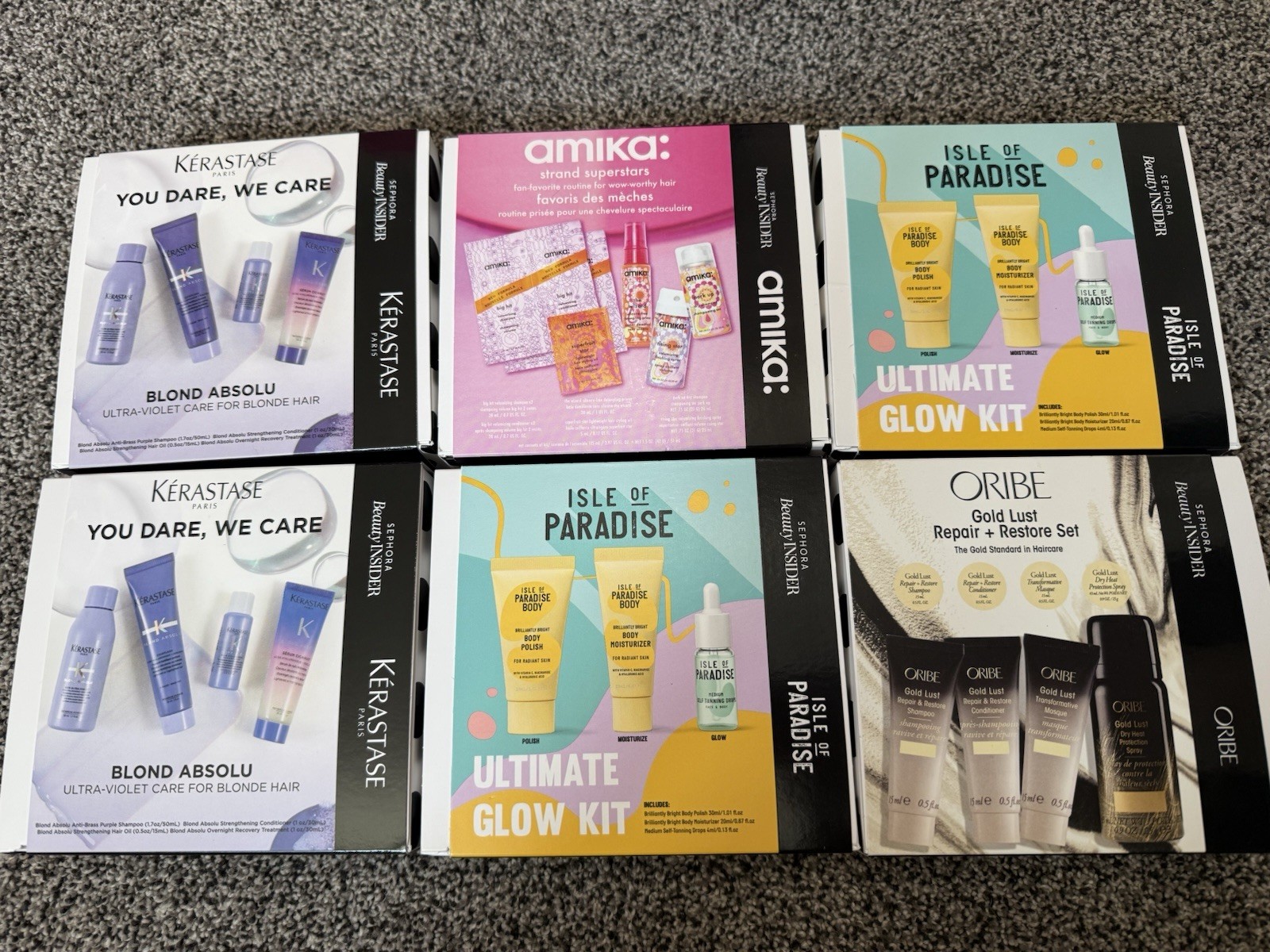

eBay links are affiliate links: JunkPal may earn a commission at no cost to you.