What does “patina consistency” mean?
What it means
Patina consistency describes the uniformity of the natural aging effects on a watch's materials—case, dial, or bracelet. Patina is the chemical change resulting from oxidation, oils, and environmental exposure over decades. Consistency means this aging process has occurred evenly across the surface. It is not merely discoloration; it is the settled, stable visual history of the piece. In the collecting niche, a consistent patina validates the watch's vintage status and suggests stable ownership. In mainstream terms, it is the quality and evenness of the aged finish. Inconsistent patina—patchy, blotchy, or localized discoloration—suggests variable exposure, potential damage, or improper handling.
What it does to price
Consistent, desirable patina acts as a verifiable authentication marker, significantly boosting perceived value. A perfectly consistent, period-appropriate patina can command a 20% to 40% premium over a piece with a dull, uniform, or artificially aged finish. Conversely, significant inconsistency, such as heavy spotting on a dial or uneven tarnishing on lugs, can result in a 10% to 25% discount. For example, a vintage Rolex Submariner with a rich, even tritium glow and consistent case discoloration might sell for $8,000, whereas the same model with heavy, uneven oxidation might settle closer to $6,500.
How to spot it
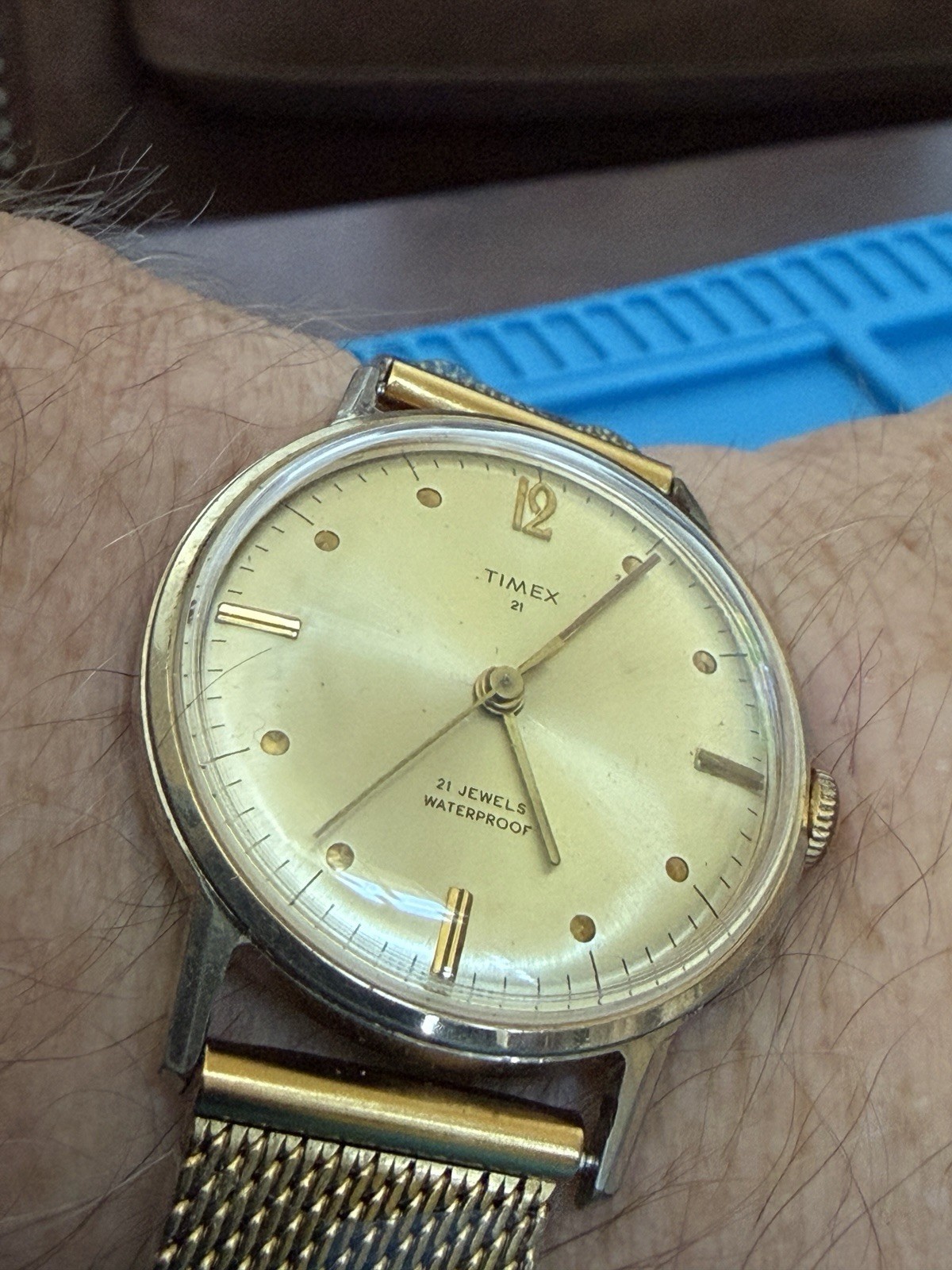
Visual inspection is key. Examine the dial under strong, diffuse light; the color shift (e.g., on lume plots or dial printing) should flow naturally, not appear as isolated spots. Inspect the case edges and bracelet links for consistent toning or micro-scratches that match the dial's character. Sellers should provide high-resolution, well-lit close-ups of the dial surface and case transitions. A common red flag is "over-patina"—artificially induced aging, often appearing too uniform or too dramatic in a way that doesn't match the watch's known history. Honest mistakes often involve inconsistent cleaning attempts that create artificial gradients.
Buying smart
Paying a premium for patina is justified when the consistency is flawless and the aging aligns with the watch's known provenance or era. If the watch is being sold as a "unpolished" or "original condition" vintage piece, a consistent patina is expected and warrants the higher price. However, the premium is unwarranted if the patina is merely "dirty" or unevenly oxidized due to neglect, not stable aging. A fair deal involves a price reflecting the *quality* of the aging, not just the *presence* of aging. If the patina is present but patchy, negotiate downward to account for the lack of visual integrity.
Selling smart
Highlighting consistent patina in a listing transforms the watch from a commodity into a historical artifact. Instead of listing "Vintage Watch," use descriptors like "Rich, Consistent Patina" or "Uniform Dial Aging." This immediately signals to knowledgeable buyers that the piece has been preserved, not abused. The single most effective visual proof is a high-resolution macro photograph of the dial surface showing the evenness of the discoloration, ideally under natural daylight. This photo validates the premium price point.
On eBay right now
Current asking prices from live listings — not sold-comp medians.



eBay links are affiliate links: JunkPal may earn a commission at no cost to you.