What does “patina acceptance” mean?
What it means
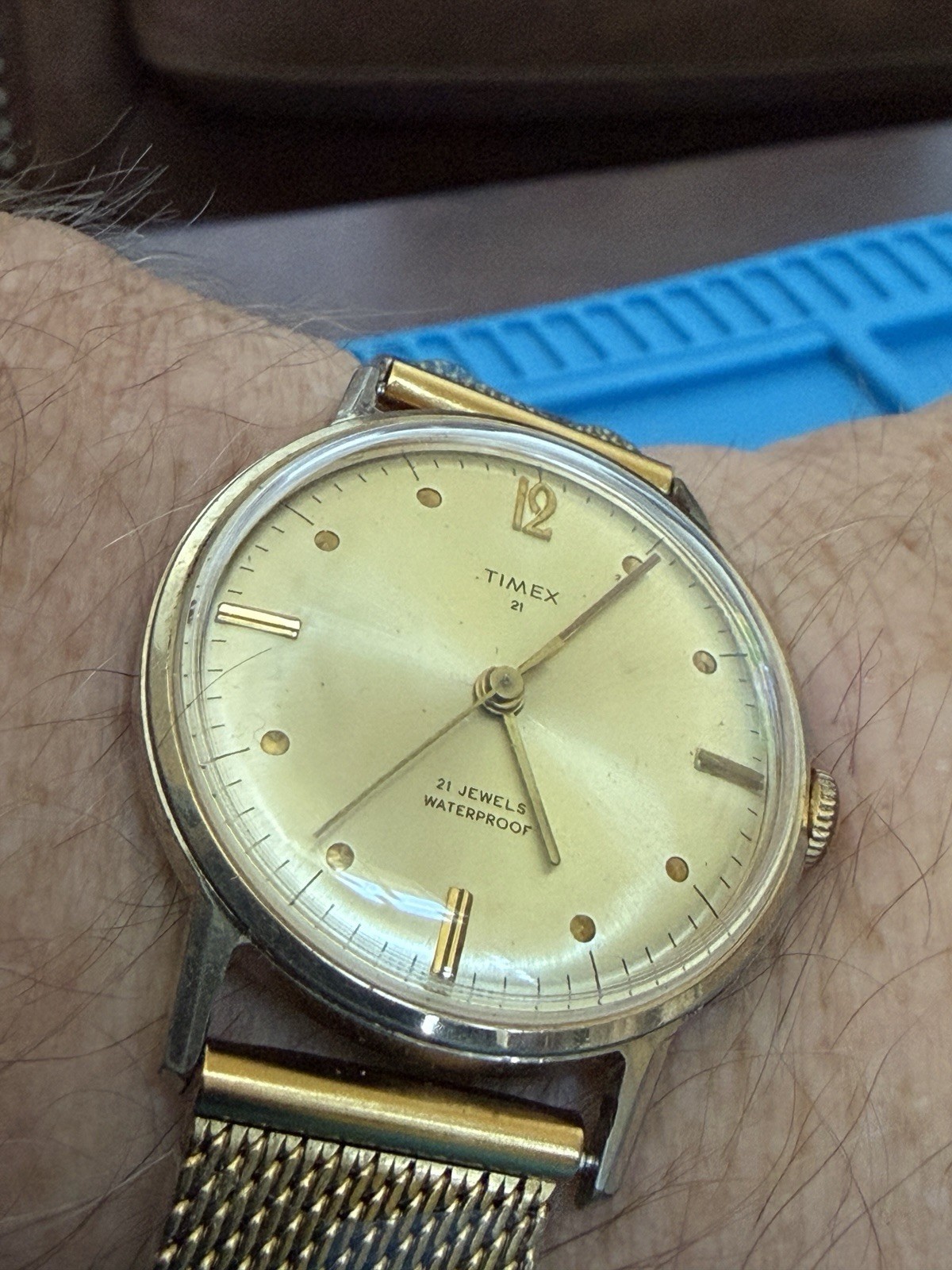
Patina acceptance is the tolerance level for natural, aged surface changes on a timepiece. This includes discoloration, minor scratching, or oxidation on the case, bezel, or dial. In the collecting niche, patina is often viewed as evidence of provenance—a sign the watch has been genuinely worn and owned over time, which many enthusiasts value over a "dead stock" appearance. The mainstream equivalent is "wear character." However, this acceptance varies drastically by brand and era. Some modern luxury brands maintain strict standards against *any* visible wear, treating patina as damage. For vintage pieces, a consistent, desirable patina is a feature; an inconsistent or excessive one is a defect.
What it does to price
Patina acts as a direct modifier to perceived value. A watch with a desirable, consistent patina that aligns with the brand's aesthetic can command a 10% to 30% premium over a comparable, pristine example. Conversely, severe, uneven, or corrosive patina can trigger a significant depreciation, potentially dropping value by 20% or more, as it signals potential underlying material degradation. For example, a stainless steel sports watch with a uniform, light wrist-wear patina might sell for $500 more than an identical piece with no visible signs of use.
How to spot it
Inspection requires high-resolution photography. Look for uniformity. A desirable patina (e.g., light gold toning on a case edge) should be consistent across the same metal surface. Red flags include pitting, deep gouges, or discoloration that appears chemical rather than environmental (e.g., green verdigris on a brass component). Sellers must provide close-ups of the case flanks and dial edges. Fakes often attempt to fake patina with chemical washes, resulting in unnatural, patchy discoloration that lacks depth. Authentic patina develops slowly and unevenly based on contact points.
Buying smart
Paying a premium for patina is justified when the watch is confirmed vintage or from a brand known to appreciate wear (e.g., certain dive watch lines). The premium is worth it when the patina is subtle, uniform, and enhances the watch's character without obscuring legibility. It is not worth paying a premium if the wear is heavy, distracting, or if the watch is from a brand that explicitly markets itself as "new condition only." A fair deal involves the patina being aesthetically pleasing and minor enough not to impede function or appearance.
Selling smart
Listing must accurately describe the condition regarding patina. Do not use vague terms like "worn." Instead, use precise descriptors: "Light, uniform wrist patina," or "Moderate case oxidation on lugs." If the patina is a strength, use strong language to frame it as "character." The single most effective asset in a listing is a macro photograph focused solely on the area exhibiting the patina, allowing the buyer to verify its quality and consistency immediately. This transparency justifies the asking price.
On eBay right now
Current asking prices from live listings — not sold-comp medians.



eBay links are affiliate links: JunkPal may earn a commission at no cost to you.