What does NWOT stand for?
What it means
NWOT stands for "New Without Tags." This describes an item that is in brand-new, unused condition but does not retain the original manufacturer's retail tags, labels, or security seals. It is not synonymous with New In Box (NIB), which requires the item to be sealed in its original, unopened packaging. NWOT items are functionally new; the difference is the absence of the original retail presentation elements. In the collecting niche, this is a common condition grade, often used when an item was purchased, removed from its packaging for inspection, or has been stored without tags attached.
What it does to price
The absence of tags generally creates a downward price adjustment compared to NIB. A factory-sealed NIB item typically commands a premium of 20% to 50% over a verified NWOT counterpart. The value drop is less severe than moving to "Used," but the tag removal signals a slight break in the pristine retail chain. Factors pushing the price up include clear evidence of original packaging integrity (even if tags are gone) or if the item is a rare variant. Conversely, if the item shows any signs of handling or dust, the NWOT designation collapses, and the price drops significantly, potentially 30% or more. For example, a sealed action figure might sell for $100, while the same figure, NWOT, might sell for $75-$85.
How to spot it
The tell is the physical absence of the original retail tags, hang-tags, or security seals. For collectibles like trading cards or vinyl, this means the original protective wrapping or shrink-wrap might be intact, but the manufacturer's identification tags are missing. Sellers should provide high-resolution photos of the item itself, focusing on manufacturing details, serial numbers, and any internal markings, to prove authenticity and condition. Common honest mistakes involve items being moved from display to storage, causing tags to detach. Fakes are less common with NWOT status unless the seller is attempting to pass off a used item as "new condition."
Buying smart
Paying a premium for NWOT is justified when the item is otherwise perfect, the market for that specific item is highly volatile, or when the NIB version is prohibitively expensive. If the item is common or easily sourced, the slight discount offered by NWOT is preferable. A fair deal for an NWOT item is one that is priced within 10-15% below the established market rate for NIB, reflecting the loss of the retail presentation premium. If the price gap between NWOT and NIB is greater than 40%, further scrutiny of the item's history is required.
Selling smart
To maximize revenue, the listing must explicitly state "NWOT" and immediately follow it with photographic proof of the item's new state. The single most valuable element in the listing is a clear, close-up photograph showing the item's pristine condition *and* any evidence of its manufacturing origin (e.g., a visible copyright stamp or model number). This documentation converts a vague "new" claim into a verifiable condition grade, allowing the seller to command the higher end of the NWOT pricing bracket, often bridging the gap toward the NIB premium.
On eBay right now
Current asking prices from live listings — not sold-comp medians.
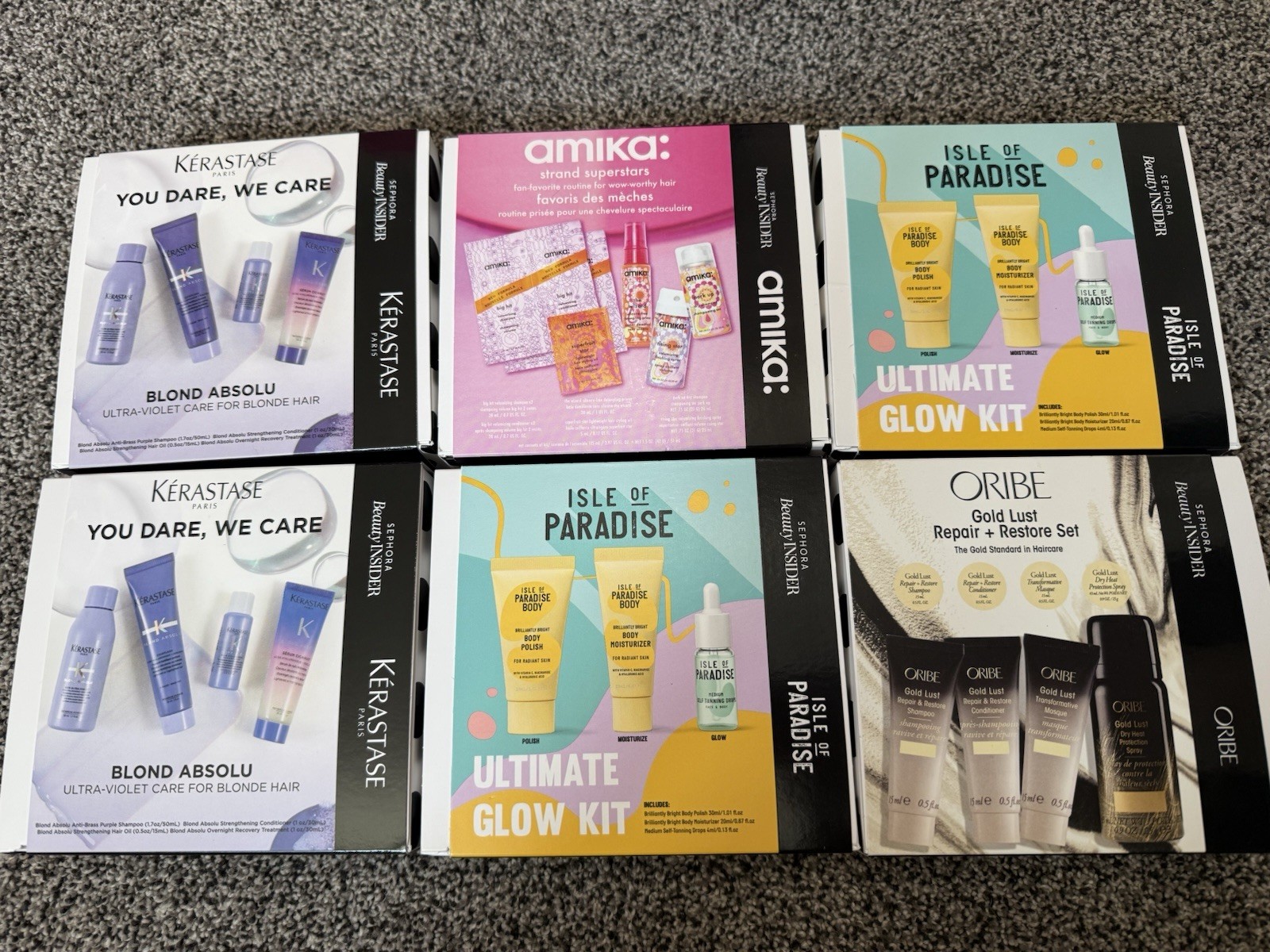


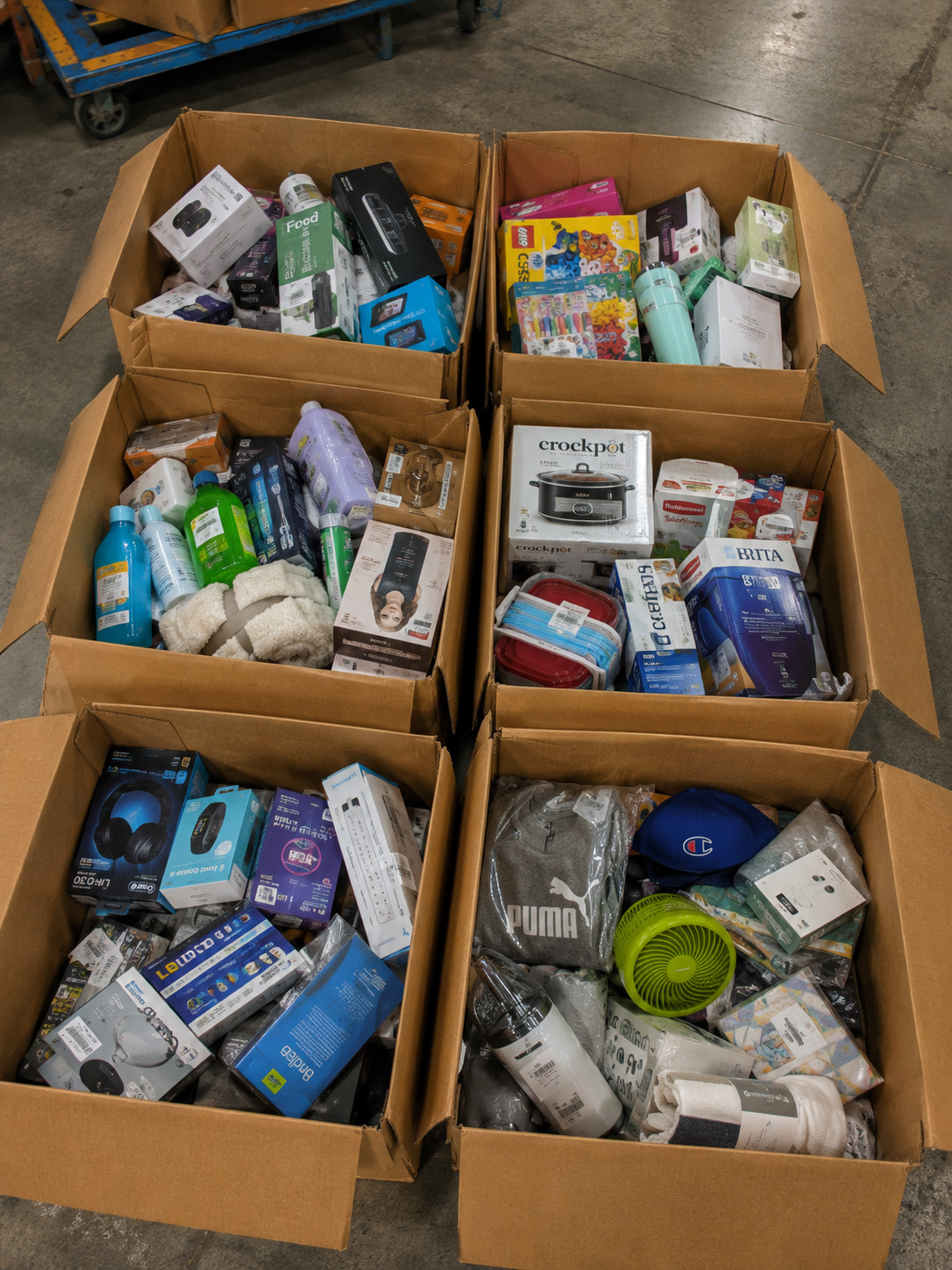
eBay links are affiliate links: JunkPal may earn a commission at no cost to you.