What does “multi-pack” mean?
What it means
A multi-pack is a single transaction containing two or more discrete, related items. In the collecting niche, this usually means items from the same series, manufacturer, or release run. It is not simply a bundle of unrelated odds and ends. The core concept is aggregation: multiple units sold under one listing or purchase agreement. For resellers, this is a volume acquisition strategy. For collectors, it is a convenience strategy to acquire a set or collection component simultaneously.
What it does to price
The pricing impact is highly variable, depending on the items' individual scarcity. For common, low-value items (e.g., 5 identical promotional stickers), the per-unit cost drops significantly, potentially 30-50% lower than buying individually. For high-value, desirable items (e.g., a set of 4 graded cards from a limited run), the pack premium can be substantial. If the items are cohesive and desirable, the pack can fetch 1.2x to 2x the sum of the loose parts, reflecting convenience and set completion. Conversely, if the pack contains mixed quality or unrelated items, the price may be discounted by 15-25% from the expected aggregate value.
How to spot it
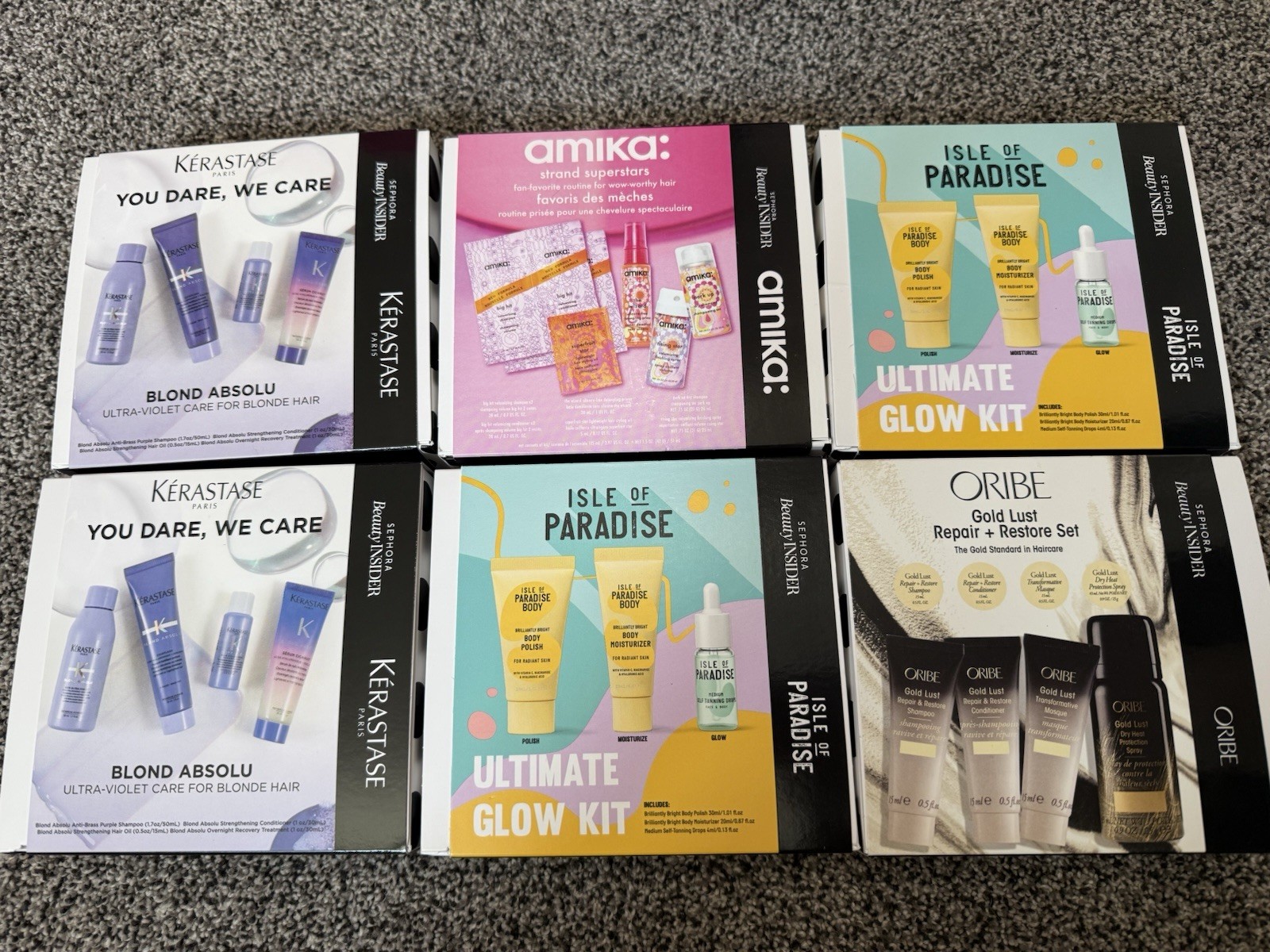
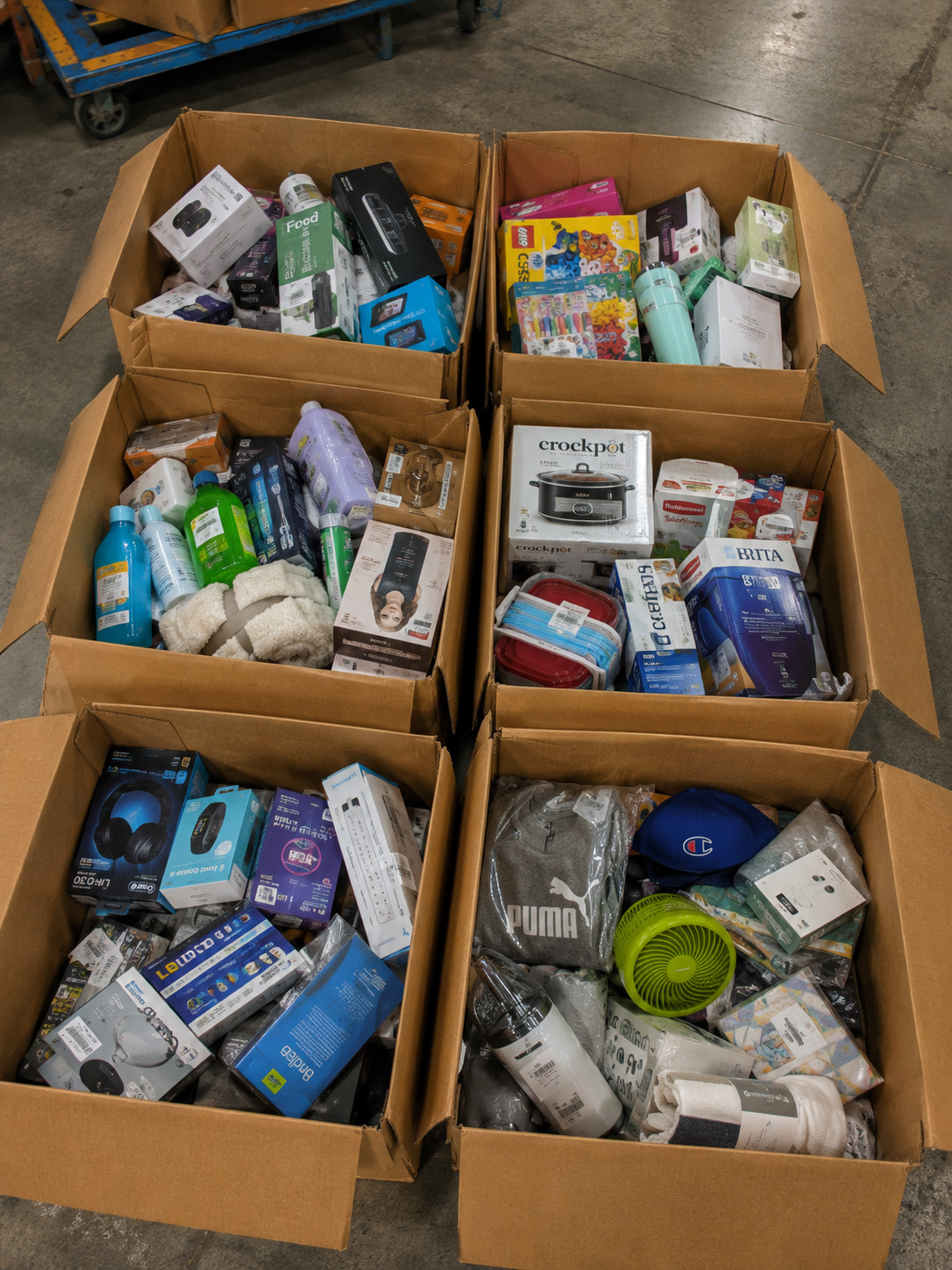
The tell is the listing description or the physical packaging. Look for explicit language like "Lot of X," "Set of Y," or "Bulk Pack." When examining photos, confirm the consistency of branding, numbering, and release dates across all items. A common mistake is mislabeling a mixed lot as a cohesive set. Fakes often appear in multi-packs by substituting one high-value item with a lower-quality replica; always check serial numbers or specific printing details on every single component.
Buying smart
Paying a premium for a multi-pack is justified when the items are demonstrably high-quality, complete a known set, or offer significant bulk savings on common inventory. If the items are highly disparate in value—one rare item buried among five common ones—the premium is often unjustified unless the seller offers a steep discount on the total lot. A fair deal usually sees the per-unit cost of the bulk items dropping by at least 20% compared to their loose market value, while the high-value component retains its near-individual market price.
Selling smart
Listing a multi-pack requires clear delineation of what is included. The listing must explicitly state the quantity and the nature of each item (e.g., "Lot of 10, 8 common, 2 rare"). To earn the premium, the seller must provide high-resolution photos showing every item, ideally laid out to prove the contents and condition of each piece. A simple, accurate inventory list in the description is the single most effective tool to validate the pack's value and secure a higher sale price.
On eBay right now
Current asking prices from live listings — not sold-comp medians.


eBay links are affiliate links: JunkPal may earn a commission at no cost to you.