What does “low-ticket item” mean?
What it means
A low-ticket item is merchandise or a collectible with a low initial retail or secondary market purchase price. This is not defined by a universal dollar amount but by the seller's perceived entry barrier. Mainstream equivalent: budget inventory. For resellers, these items require minimal capital outlay to stock inventory. For collectors, they serve as entry points to a specific collecting area without requiring significant upfront investment. The category encompasses everything from common trading cards to inexpensive, mass-produced memorabilia.
What it does to price
Price volatility is high. A common, ungraded low-ticket item might sell for $5-$25. A low-ticket item that is graded or authenticated can see a 3x to 10x multiplier, depending on the specific item and condition. Factors pushing price up include verifiable scarcity (low print runs) and pristine condition (Mint/Near Mint). Factors pushing price down include commonality and visible wear. For example, a common, loose sticker sheet might sell for $3, but the same sheet with a verified factory seal could fetch $15.
How to spot it
Tells are often related to production runs and packaging. Look for edition numbers or specific print runs on the item itself. For sealed items, check for factory stamps or holographic security features; these are common targets for counterfeiting. Photos must show the entire item, including any serial numbers or packaging flaws. Common mistakes include listing a damaged item as "Near Mint" or failing to disclose minor surface scratches on vinyl or plastic.
Buying smart
Paying a premium is warranted when the low-ticket item possesses verifiable scarcity or is in flawless, high-grade condition. If the item is common and shows wear, paying more than 20% above the average market price is poor investment. A fair deal is when the asking price is within 10% of the established average selling price for that specific condition. If the item is listed significantly below average, it warrants closer inspection for undisclosed damage or authenticity issues.
Selling smart
Proving authenticity and condition is the primary driver of value in this tier. A simple, high-resolution photo showing the item's unique identifier (e.g., a specific card number or serial code) immediately justifies a higher asking price. The word "Authenticated" or "Graded" (if applicable) acts as a significant multiplier, often adding 50% to 150% to the base price. Listing with clear, detailed photos of all sides, including packaging, minimizes buyer uncertainty and maximizes the achievable price.
On eBay right now
Current asking prices from live listings — not sold-comp medians.
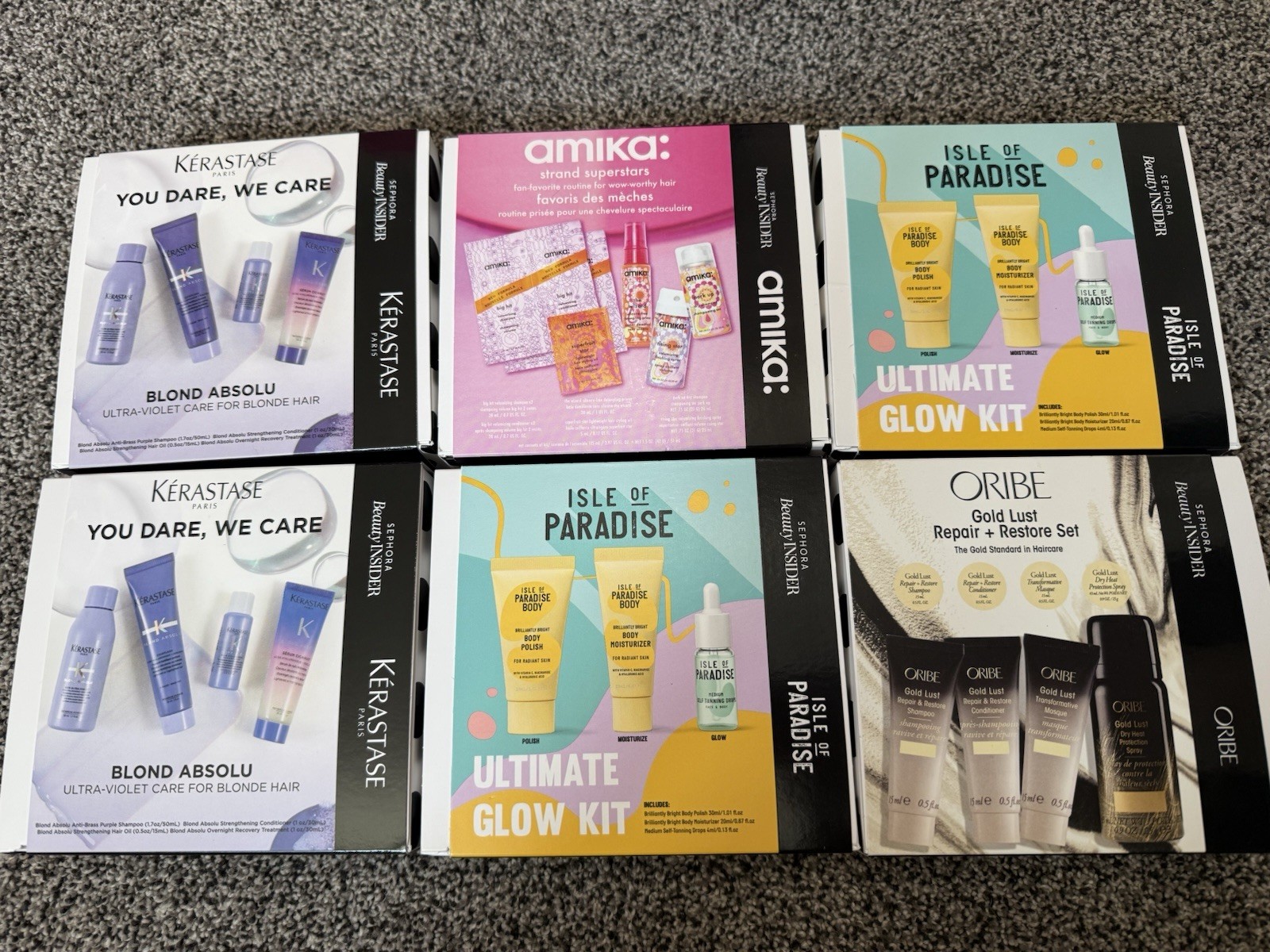


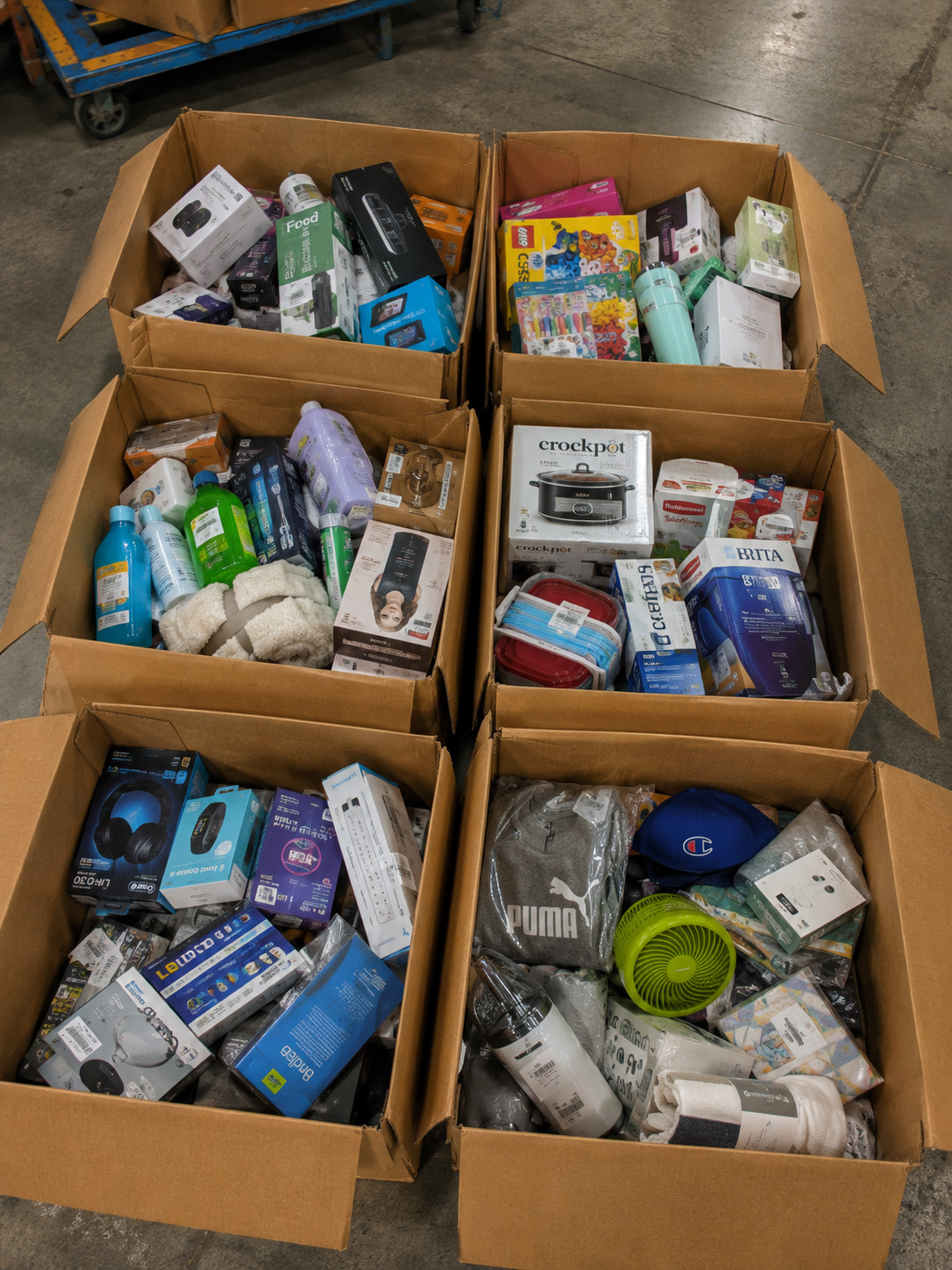
eBay links are affiliate links: JunkPal may earn a commission at no cost to you.