What does “lotting” mean?
What it means
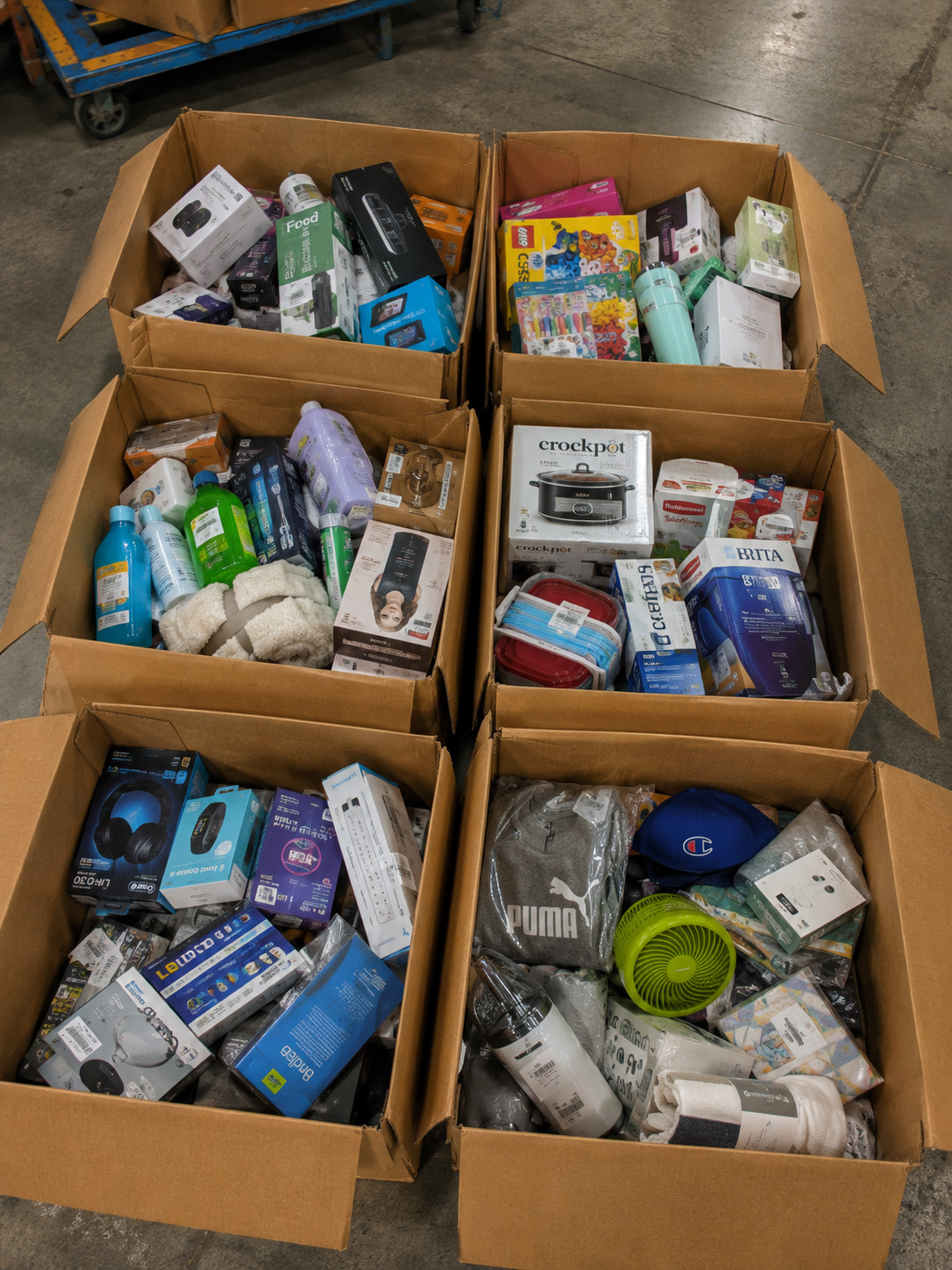
Lotting is the practice of packaging multiple, distinct items into a single sales listing. Instead of listing Item A, Item B, and Item C individually, the seller bundles them as "Lot of A, B, and C." This is a bulk sale method, the mainstream equivalent of a "bundle deal." In the collecting niche, lotting is used to liquidate inventory quickly or to create a higher perceived value for a collection of similar, lower-value items. The grouping is usually based on theme (e.g., "80s Sci-Fi Figures") or type (e.g., "Lot of 50 Pokémon Cards").
What it does to price
Lotting generally increases the total transaction value per listing. For high-volume, low-value items (like common trading cards), lotting allows a seller to move inventory faster than selling singles, which can be slow. A small lot of 5 similar, common items might sell for $15-$25 total, whereas selling them individually might yield $10-$15 total across five separate listings due to listing fees and buyer friction. However, if the lot contains one highly valuable centerpiece item mixed with junk, the entire lot price is capped by the lowest common denominator. A lot containing one rare $100 card mixed with 20 common cards might sell for $150, but the rare card alone could fetch $120-$180 if sold individually.
How to spot it
The tell is the listing title and description: it will use terms like "Lot," "Bundle," "Bulk," or list items separated by commas or slashes rather than listing them as separate SKUs. When inspecting the listing, check the item descriptions for inconsistent grading or condition notes. If the lot description is vague—e.g., "Assorted Vintage Toys"—it signals risk. Sellers should provide clear photos showing every item included, especially if the lot is large. A common mistake is failing to list the exact count of each type of item within the lot.
Buying smart
Paying a premium for a lot is justifiable only when the items are highly complementary, share a strong theme, or when the lot contains a guaranteed "grail" item that is difficult to source alone. If the lot is a random assortment of items with wildly varying quality (e.g., pristine vintage toys mixed with damaged modern plastics), the premium is unwarranted. A fair deal means the total lot price is close to the sum of the individual, low-end estimates for the bulk of the items, plus a small premium for convenience. If the lot is priced more than 50% above the sum of the lowest-value singles, caution is required.
Selling smart
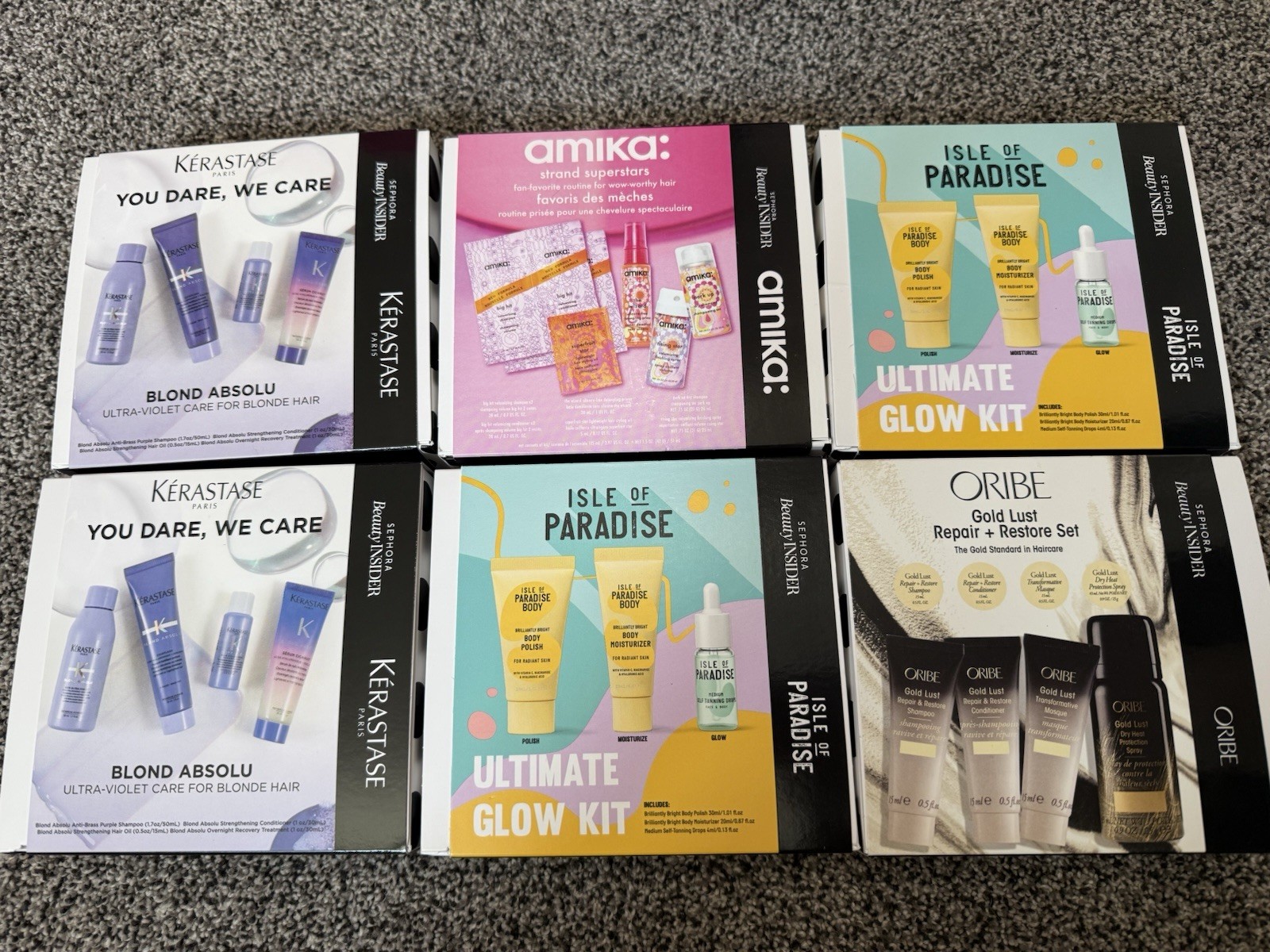
To maximize lot value, the listing must be ruthlessly organized. The description must function as an inventory manifest: "Lot includes: 1 x Mint Condition Starship Figure, 12 x Near Mint Action Figures (Mixed), 3 x Damaged Accessories." The single most effective element is a high-resolution photo displaying the entire contents laid out clearly, preferably in a grid or organized manner. This visual proof of quantity and condition justifies the bulk price and prevents buyers from assuming the lot is mostly junk.
On eBay right now
Current asking prices from live listings — not sold-comp medians.


eBay links are affiliate links: JunkPal may earn a commission at no cost to you.