What does “lot size” mean?
What it means
Lot size is the total count of distinct, bundled items offered for a single sale listing. It is the grouping mechanism used when an inventory consists of multiple similar pieces rather than a single, identifiable unit. For instance, selling 50 assorted Pokémon cards as one lot, rather than listing 50 separate items. This is the bulk equivalent of a single SKU (Stock Keeping Unit) in retail. The definition is straightforward: it is the quantity presented as a single transaction unit.
What it does to price
Lot size directly affects perceived value and transaction volume. A large, cohesive lot of similar items often commands a higher total price than the sum of its individual parts, provided the grouping is logical. For example, a lot of 10 vintage sci-fi paperback covers might sell for $75, whereas selling those 10 individually might net $50 total. Conversely, a poorly curated "mixed lot" where items are unrelated or of wildly varying quality will see the price discounted significantly, often 30-50% below the average individual item value. High-value lots require strong internal consistency.
How to spot it
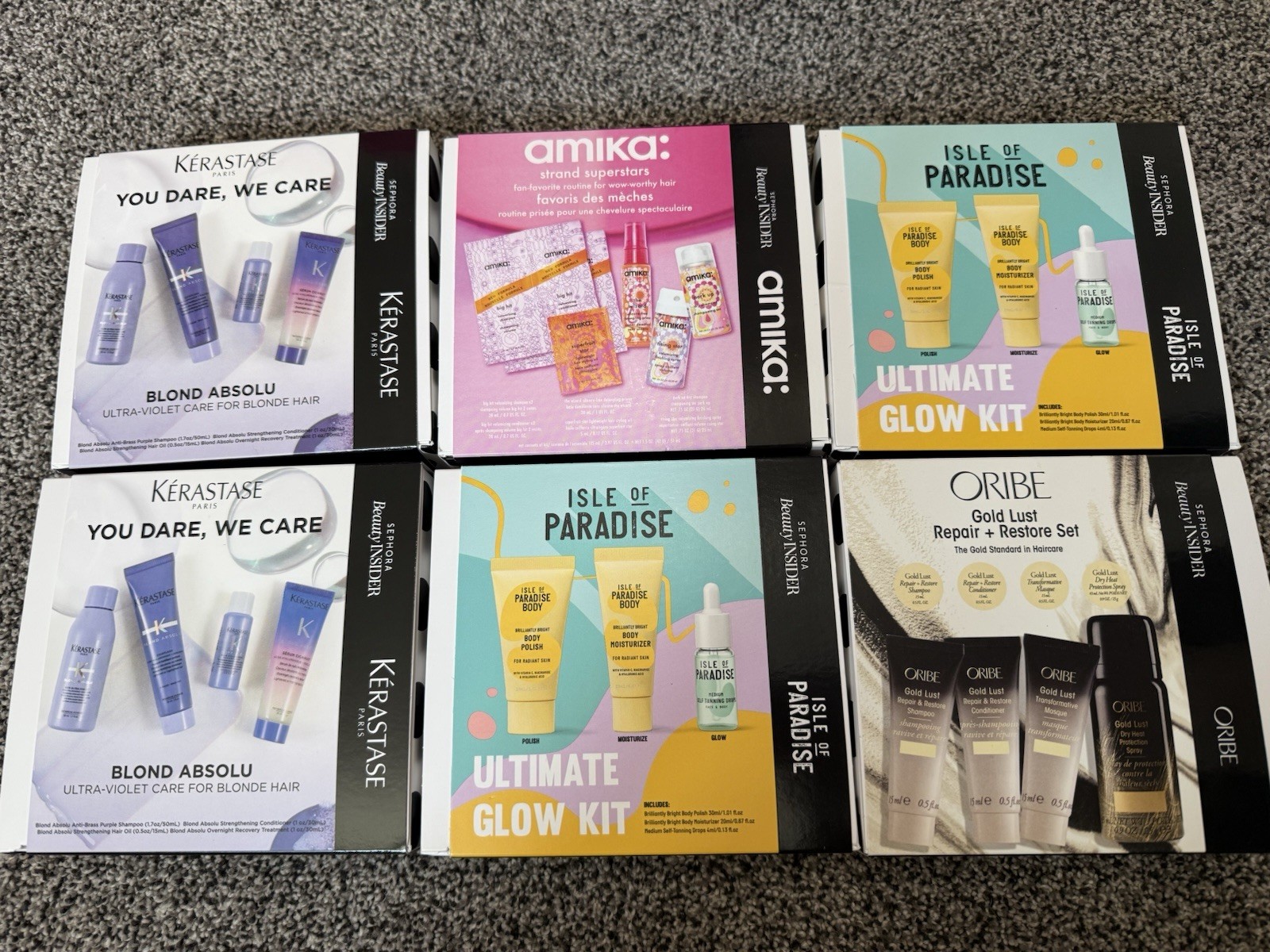
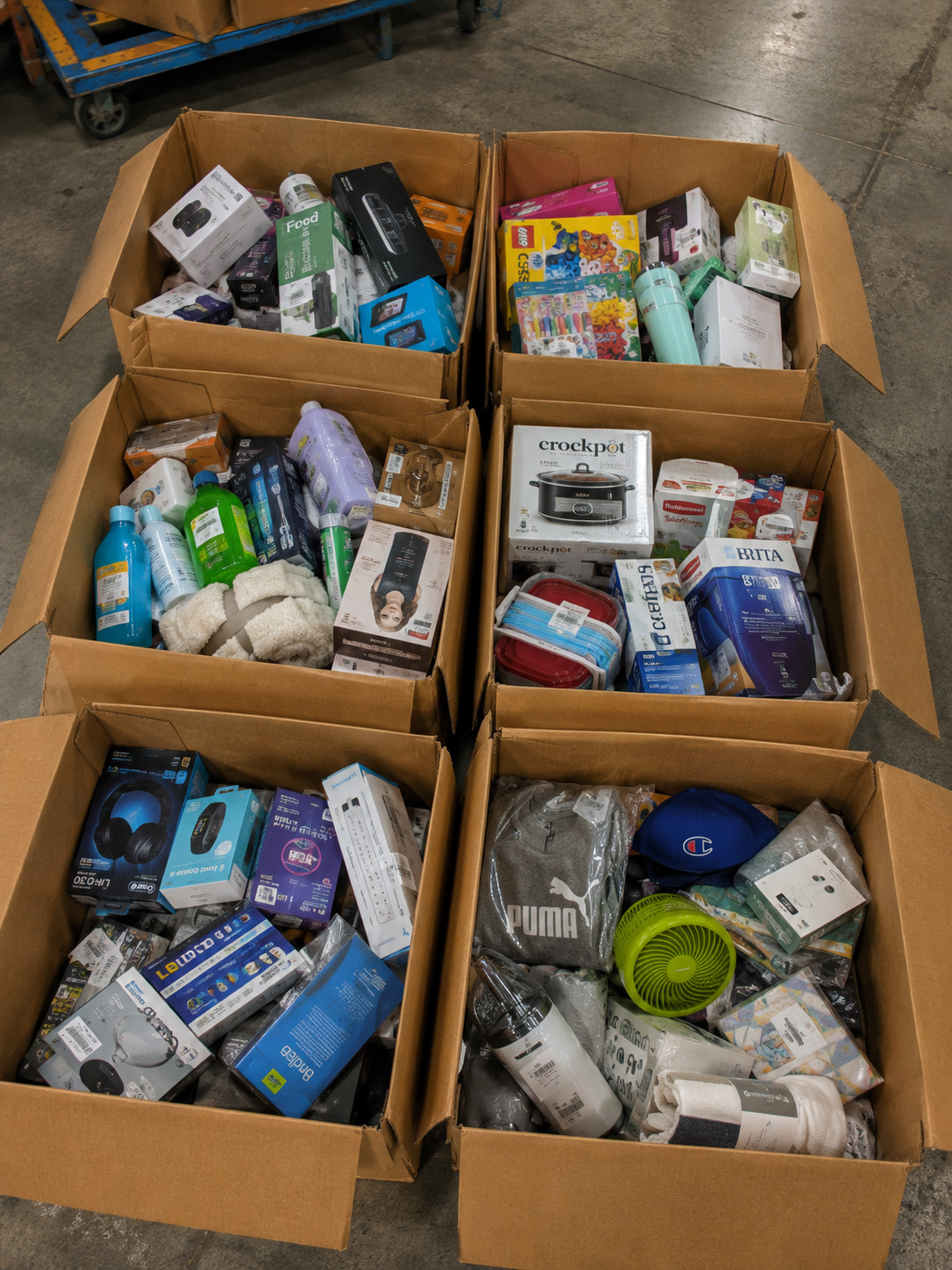
The tell is the listing description itself. If the seller uses terms like "Lot of X," "Bundle," or "Assortment," it is a lot. To assess quality, request high-resolution photos showing the entire contents laid out, not just a few samples. Watch for vague descriptions like "assorted good condition." If the lot is supposed to be uniform (e.g., all 1980s action figures), but the photos show wildly different eras or brands, this signals an inaccurate or misleading lot description.
Buying smart
Paying a premium for a lot is justified when the items within are highly desirable, consistent, and the quantity offers significant volume for the target collection. If the buyer needs 10 specific, similar items to complete a set, buying a lot of 20 is efficient. It is not a fair deal when the lot is labeled as "premium" but contains a high percentage of damaged, incomplete, or irrelevant filler pieces. A fair lot deal means the average condition and desirability of the included items meet or exceed the stated price per piece.
Selling smart
Listing a lot requires absolute transparency regarding the contents. The single most effective element is a detailed inventory breakdown, even if approximate (e.g., "Lot includes: 12 PSA 10 cards, 3 Near Mint, 5 Played"). This manages expectations and prevents disputes. If the lot is a curated selection of high-grade items, use descriptive language like "Curated Collection" rather than just "Lot of 50." This wording justifies a higher price point than a generic bulk sale.
On eBay right now
Current asking prices from live listings — not sold-comp medians.


eBay links are affiliate links: JunkPal may earn a commission at no cost to you.