What does “lot listing” mean?
What it means
A lot listing is the grouping of multiple distinct items into one sales unit. Instead of listing 20 separate vintage comic books, a seller lists them as "Lot of 20 Comics." This is not merely a bulk discount; it is a single transaction covering multiple SKUs (Stock Keeping Units). The mainstream equivalent is a "bundle sale." The definition is precise: the items are sold as a collective unit, even if they vary in condition or rarity.
What it does to price
Pricing a lot requires calculating the aggregate value. A lot price is rarely the simple sum of individual item values. Typically, the buyer expects a 20-40% discount off the total retail value of the components. If a lot contains five items individually valued at $100 each ($500 total), a fair lot price might range from $300 to $380. Lot value increases significantly when the items share a theme or provenance (e.g., "Complete 1980s Sci-Fi Collection"). Low-value, miscellaneous items dilute the lot's overall price potential.
How to spot it
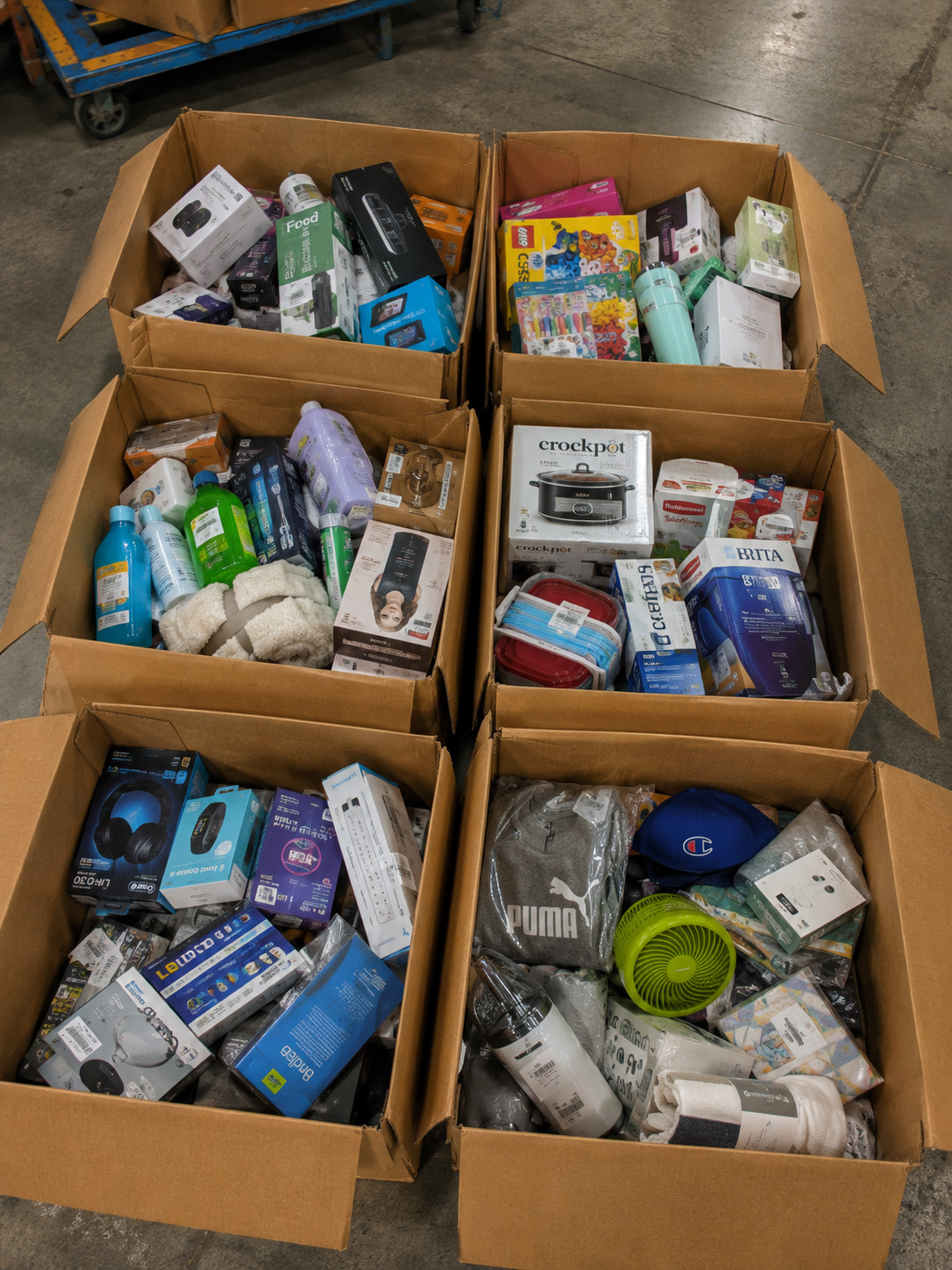
Lot listings are identified by the listing title structure, which often uses terms like "Assortment," "Bulk," "Box Lot," or "Lot of X." The key tell is the lack of individual item descriptions in the main listing fields. Sellers must provide a detailed manifest or inventory list within the description body. If the description is vague ("Misc. toys, various"), the lot is high risk. Buyers should request high-resolution photos of the *entire* contents, not just a single representative item.
Buying smart
Paying a premium for a lot is justified when the collection offers significant thematic depth or when the seller has accurately documented high-value outliers. If the lot is a collection of items where 80% are low-grade filler, the premium is unwarranted. A fair deal means the average item value, when divided by the lot price, yields a reasonable discount (20-35%). If the list is incomplete or the condition descriptions are generalized ("Good"), the risk outweighs the potential savings.
Selling smart
To maximize lot value, the inventory list must be exhaustive. Every item needs a clear designation: Item Name, Quantity, and Condition Grade (e.g., "Action Figure A: 3 units, VG," "Record B: 1 unit, NM"). This transparency builds trust and allows buyers to mentally calculate the value. The single most effective element is a photograph showing the *entire* contents laid out, even if messy. This visual proof substantiates the detailed written manifest, justifying a higher, more confident listing price.
On eBay right now
Current asking prices from live listings — not sold-comp medians.



eBay links are affiliate links: JunkPal may earn a commission at no cost to you.