What does “listing optimization” mean?
What it means
Listing optimization is the methodical process of presenting an item online to maximize its discoverability and perceived value. It is not merely writing a description; it is a targeted digital marketing strategy. For collectors, this means employing precise, industry-specific terminology (e.g., using "Mint Condition" instead of "Good") that signals authenticity and condition to knowledgeable buyers. For resellers, it means using high-volume search terms that attract the widest relevant audience. The goal is to move the listing from obscurity to the top of search results, increasing the likelihood of a click and subsequent sale.
What it does to price
Optimization directly impacts the price ceiling. A highly optimized listing can command a premium of 15% to 30% over a poorly presented equivalent. Poorly optimized listings often settle at the lowest advertised price because they fail to qualify for premium search placements. For example, a rare comic book listed with vague terms ("old comic") might sell for \$50, while the same book, optimized with the specific title, issue number, and condition grading ("Amazing Fantasy #15, VF/NM"), can easily achieve \$75 or more. High-quality photography and keyword density act as direct multipliers on perceived value.
How to spot it
Spotting optimization requires looking past the surface. Look for comprehensive titles that include brand, model, key features, and condition. Examine photos: optimized listings feature multiple angles, close-ups of key details (serial numbers, logos), and consistent, bright lighting. A red flag is a single, dark, blurry photo. Ask sellers for specific details if they are missing—for example, asking for a photo of the back stamp or the original packaging insert. Inconsistent terminology or vague descriptions suggest a lack of effort, often signaling a lower-tier seller.
Buying smart
Paying a premium for an optimized listing is justifiable when the optimization clearly demonstrates verifiable authenticity and superior condition documentation. This is necessary for high-value, niche items where condition grading is paramount. A fair deal involves a price that reflects the *effort* put into the listing alongside the item's intrinsic worth. If a seller has provided high-resolution, multi-angle photos and used precise jargon, the extra 10-15% paid for that clarity is often a worthwhile insurance premium against receiving an misrepresented item. If the listing is sparse, the premium is unjustified.
Selling smart
Proving optimization in a listing translates directly into buyer confidence and higher offers. Buyers pay more when they trust the listing is accurate. The single most effective element is a high-resolution, well-lit photo of the item's most critical identifying mark—be it a manufacturer's seal, a specific edition number, or a verifiable serial tag. Using precise, recognized jargon in the title (e.g., "Limited Edition," "First Print Run") immediately elevates the listing from a commodity to a collectible, allowing the seller to anchor the price higher than generic listings.
On eBay right now
Current asking prices from live listings — not sold-comp medians.
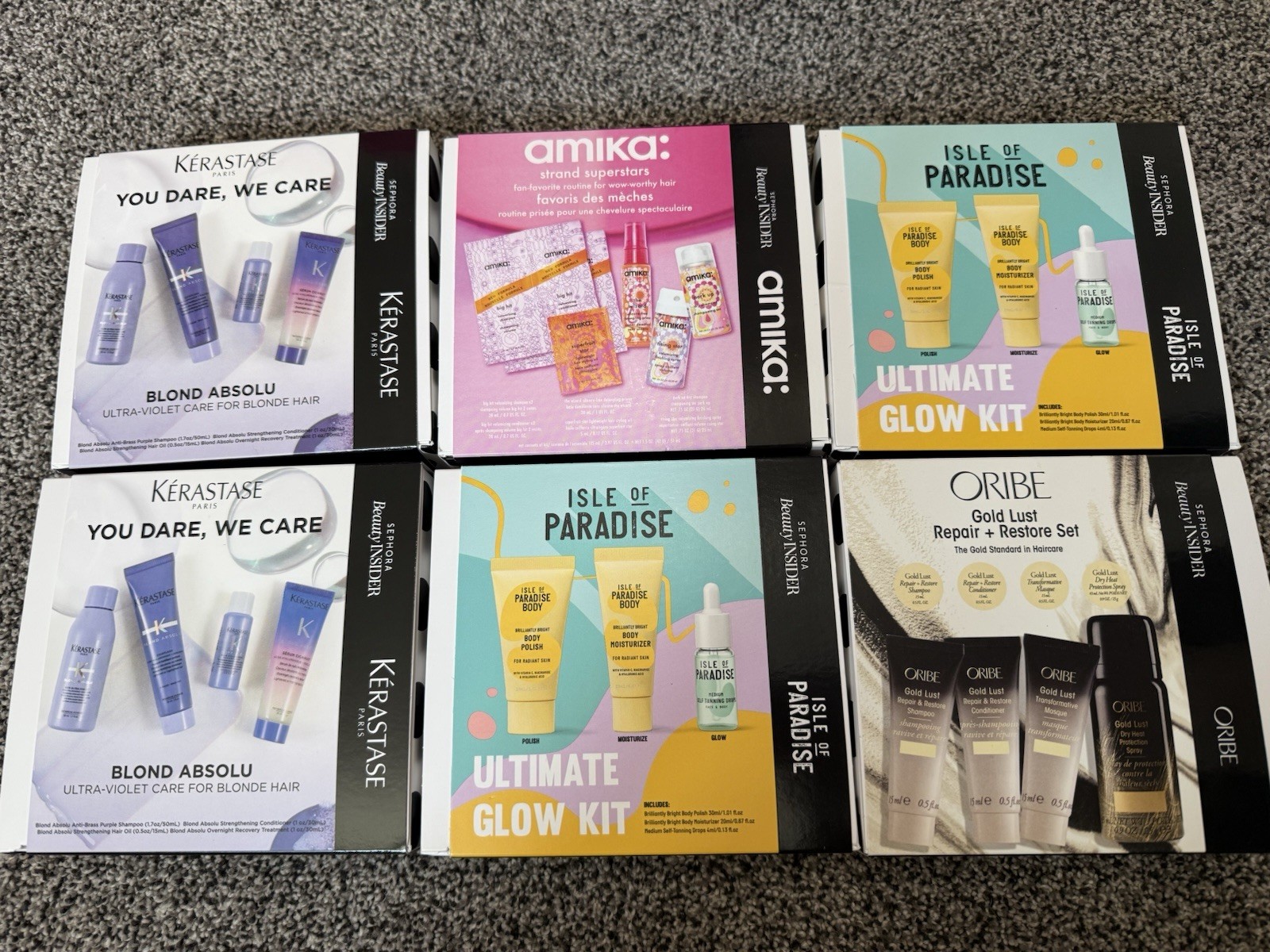



eBay links are affiliate links: JunkPal may earn a commission at no cost to you.