What does “high tick” mean?
What it means
"High tick" describes an asset experiencing rapid, disproportionate price appreciation relative to its historical baseline. It is not merely an item selling for more than expected; it is an item whose market valuation is accelerating steeply. In collecting, this signifies a sudden shift in perceived scarcity or desirability, often driven by media attention, a major catalog update, or the emergence of a key secondary market influencer. The mainstream equivalent is identifying an asset in a hyper-growth phase.
What it does to price
The price increase is exponential, not linear. A stable, sought-after item might see a 1.2x increase over six months. A high tick item can see a 3x to 10x increase over a shorter period if the trend accelerates. Factors pushing the price up include authenticated provenance or confirmed scarcity (e.g., a previously unreleased variant surfacing). A single, verified instance of a known production error—a "print error"—can instantly multiply the value of a standard item by 5x to 20x, depending on the error's rarity.
How to spot it
Spotting a high tick requires looking beyond the current asking price. Look for consistent, accelerating upward momentum across three distinct secondary marketplaces over a minimum 4-week period. Key tells include: a sudden spike in search volume for specific edition numbers; multiple, unrelated listings showing identical, high-quality photography; or the appearance of a previously unknown, high-grade example. Common pitfalls include mistaking hype for value—a temporary social media spike is not a high tick. Always verify the item's specific production run details against known databases.
Buying smart
Paying a high premium is justified only when the acceleration is supported by verifiable, structural scarcity, not speculative noise. If the item is trending solely due to a single influencer's purchase, the risk is high; the trend will likely correct. A fair deal is when the current asking price is within 15-25% of the average sale price of the last five comparable, authenticated transactions. If the seller is asking 50% above the recent average without a documented, verifiable reason (like confirmed provenance), the risk outweighs the potential return.
Selling smart
Proving the item is part of a high tick trajectory maximizes buyer willingness to pay. Listings must not just state the item's condition; they must frame its scarcity. The most effective element is a high-resolution, macro photograph clearly displaying the specific, rare identifying marker (e.g., a specific serial number sequence or a unique manufacturing flaw). Using the term "Accelerating Demand" or "Confirmed Variant" in the description, backed by evidence, allows the seller to anchor the price at the top end of the current market curve, capturing the premium buyers are willing to pay for perceived future value.
On eBay right now
Current asking prices from live listings — not sold-comp medians.
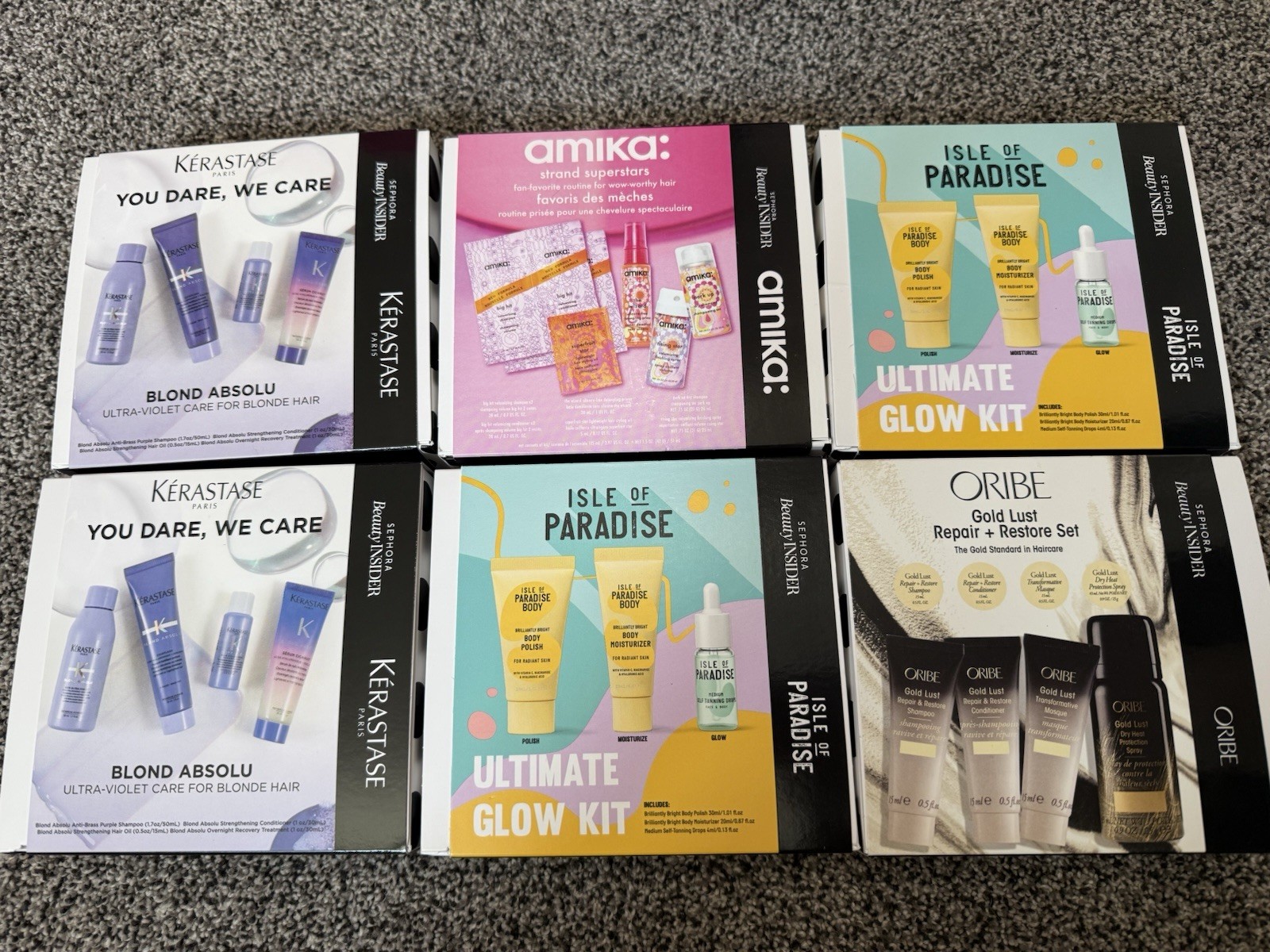



eBay links are affiliate links: JunkPal may earn a commission at no cost to you.