What does “hands condition” mean?
What it means
Hands condition refers to the physical integrity of the watch's hour, minute, and second indicators. This includes the material finish, paint application, shape, and mounting points. In collecting, this is not merely about dirt; it is about evidence of wear or alteration. Damage includes chipping of lume plots, discoloration (patina), bending, pitting, or signs of aftermarket replacement. For vintage pieces, the hands must match the original specification; a replacement hand, even if visually similar, is a significant deviation from originality. The mainstream equivalent is "cosmetic condition," but hands condition is a specific, high-scrutiny subset of that assessment.
What it does to price
Hands condition directly impacts perceived authenticity and wear level. Pristine, original hands command the highest premiums, often adding 10-25% to the asking price over comparable pieces with minor wear. Significant damage—such as heavily chipped lume or visibly bent hands—can cause a 20-40% depreciation, as the watch moves from "collector grade" to "serviceable/daily wear." If the hands are replaced with non-OEM parts, the value can drop sharply, sometimes by 30% or more, especially on highly sought-after vintage models where originality is the primary driver of value. A watch with perfect hands might sell for $1,500; the same watch with noticeably worn hands might sell for $1,100.
How to spot it
Inspection requires magnification. Look closely at the lume material—is the application uniform, or are there flakes missing? Check the edges for micro-scratches or nicks. Bending is usually visible when the watch is held up to a light source, as the hands will not align perfectly with the dial markers. Sellers must provide high-resolution, close-up macro shots of the hands, especially near the pivot points. A common error is confusing genuine, aged patina (a desirable, subtle darkening) with damage (a sharp, uneven chip). Fake hands often lack the precise weight distribution or finish quality of the originals.
Buying smart
Paying a premium for perfect hands is justified when the watch is a high-grade vintage piece where originality is the defining feature of its investment value. If the watch is a modern, mass-produced piece, minor wear on the hands is acceptable and should not drive the price up excessively. A fair deal involves a price that reflects the *actual* condition. If a seller claims "mint" condition but the hands show obvious signs of heavy use, the discount should be substantial. If the hands are flawless, the premium is warranted, provided the watch is otherwise sound.
Selling smart
Documenting hands condition is non-negotiable for maximizing sale price. If the hands are flawless, state this explicitly: "Original, pristine hands." If they are worn, be transparent: "Hands exhibit minor, consistent patina consistent with age." The single most effective piece of evidence is a macro photograph showing the entire face of the hands under bright, direct light. This transparency builds trust, allowing the seller to justify a higher price point by demonstrating the watch’s excellent preservation history.
On eBay right now
Current asking prices from live listings — not sold-comp medians.

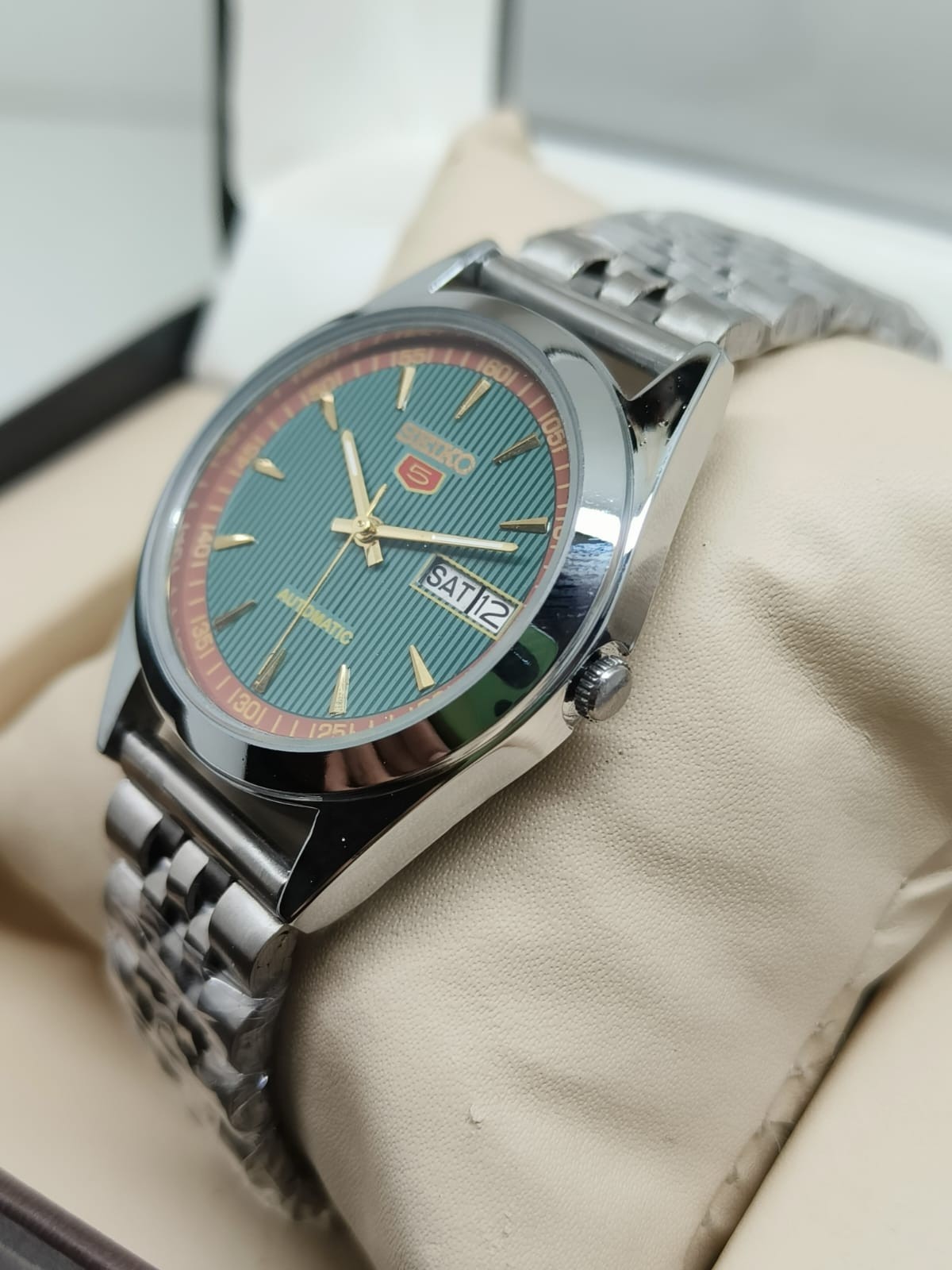

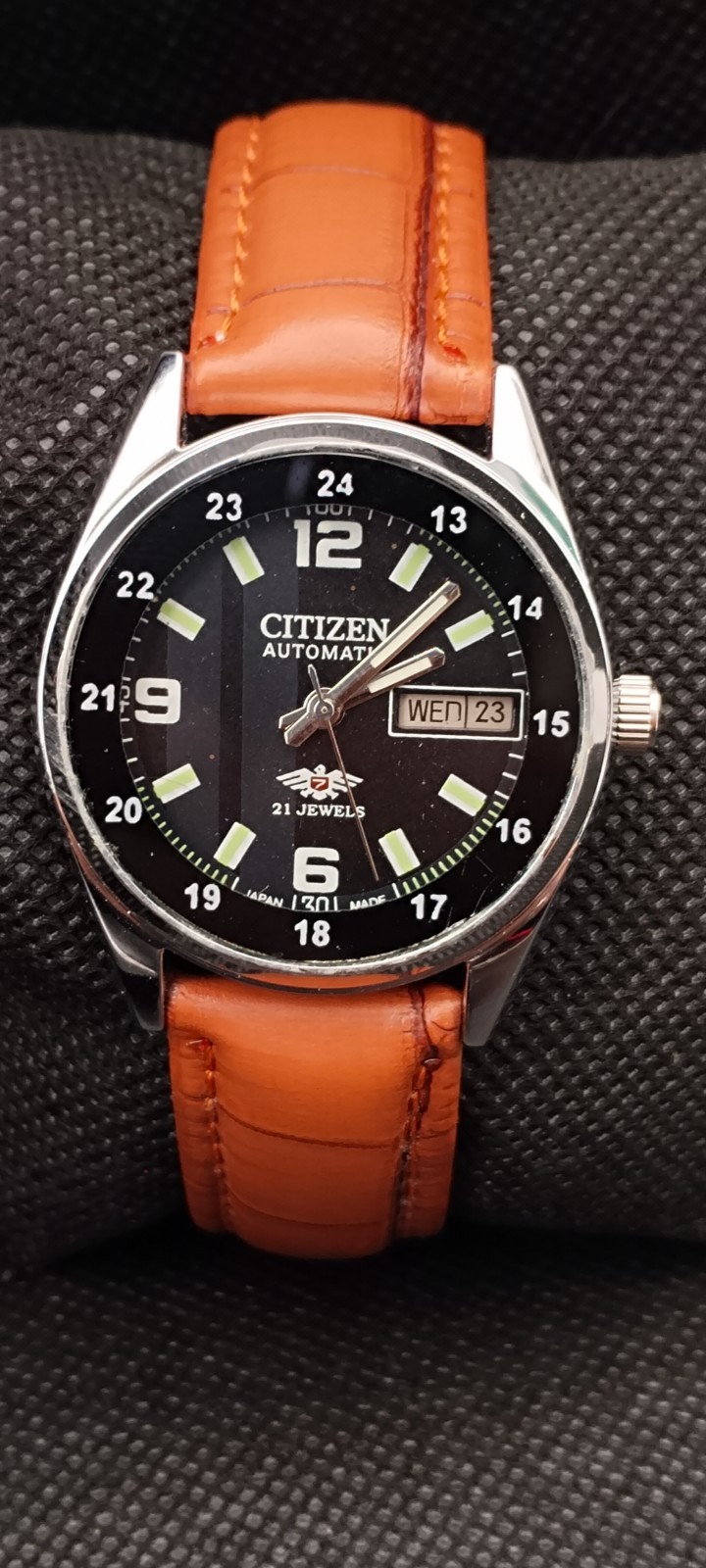


eBay links are affiliate links: JunkPal may earn a commission at no cost to you.