What does “grouping” mean?
What it means
Grouping is the act of packaging multiple related collectible items into one single sale lot. This is distinct from simply listing several items in one advertisement; grouping implies a curated collection or set being sold as a unified unit. The goal is to sell a theme, a run, or a complete set, rather than individual components. For instance, selling a "Star Wars Episode IV complete minifigure grouping" is grouping. The mainstream equivalent is bulk lot selling, but in collecting, the curation elevates it beyond mere bulk.
What it does to price
Grouping generally increases the average transaction value (ATV). A complete, curated set often commands a price premium ranging from 1.2x to 2.5x the sum of the individual loose item values, depending on the scarcity of the set and the completeness of the grouping. If a seller lists 10 loose, common items at \$5 each (\$50 total), grouping them into a themed lot might fetch \$75–\$125. The premium is highest when the grouping represents a known, desirable "complete run" or a specific character variant set. A common pitfall is over-grouping; adding low-value filler items dilutes the perceived value and can push the multiplier down.
How to spot it
Spotting a grouping requires identifying the common thread. Look for shared characteristics: same manufacturer, same release year, same character line, or sequential numbering. For comics, look for consecutive issue numbers in a single listing. For toys, look for matching packaging styles or consistent character representation across multiple pieces. Sellers mislabeling a grouping is common; the tell is when the description lists items individually but prices them as a single lot. Always request photos showing all items laid out together to confirm the scope of the grouping.
Buying smart
Paying a premium for a grouping is justified when the set is demonstrably complete, highly sought after by dedicated collectors, and the grouping saves the buyer significant time in sourcing individual pieces. It is not worth the premium if the grouping is incomplete (e.g., missing key figures or sequential numbers) or if the items are low-grade and common. A fair deal means the premium paid is less than the time and effort required to source the same items individually from multiple sellers. If the grouping is advertised as "Complete Set," verify every piece listed against known set checklists.
Selling smart
Proving the integrity of the grouping drives the premium. A listing must clearly define the scope: "Complete 1985 G.I. Joe Snake Eyes Collection." The one element that earns the premium is a high-quality, comprehensive photo showing every single item in the lot laid out clearly, often with a reference chart or checklist visible in the background. Use descriptive keywords that match collector terminology (e.g., "Run," "Set," "Complete Line"). Avoid generic terms like "Lot of." Specificity validates the premium price.
On eBay right now
Current asking prices from live listings — not sold-comp medians.
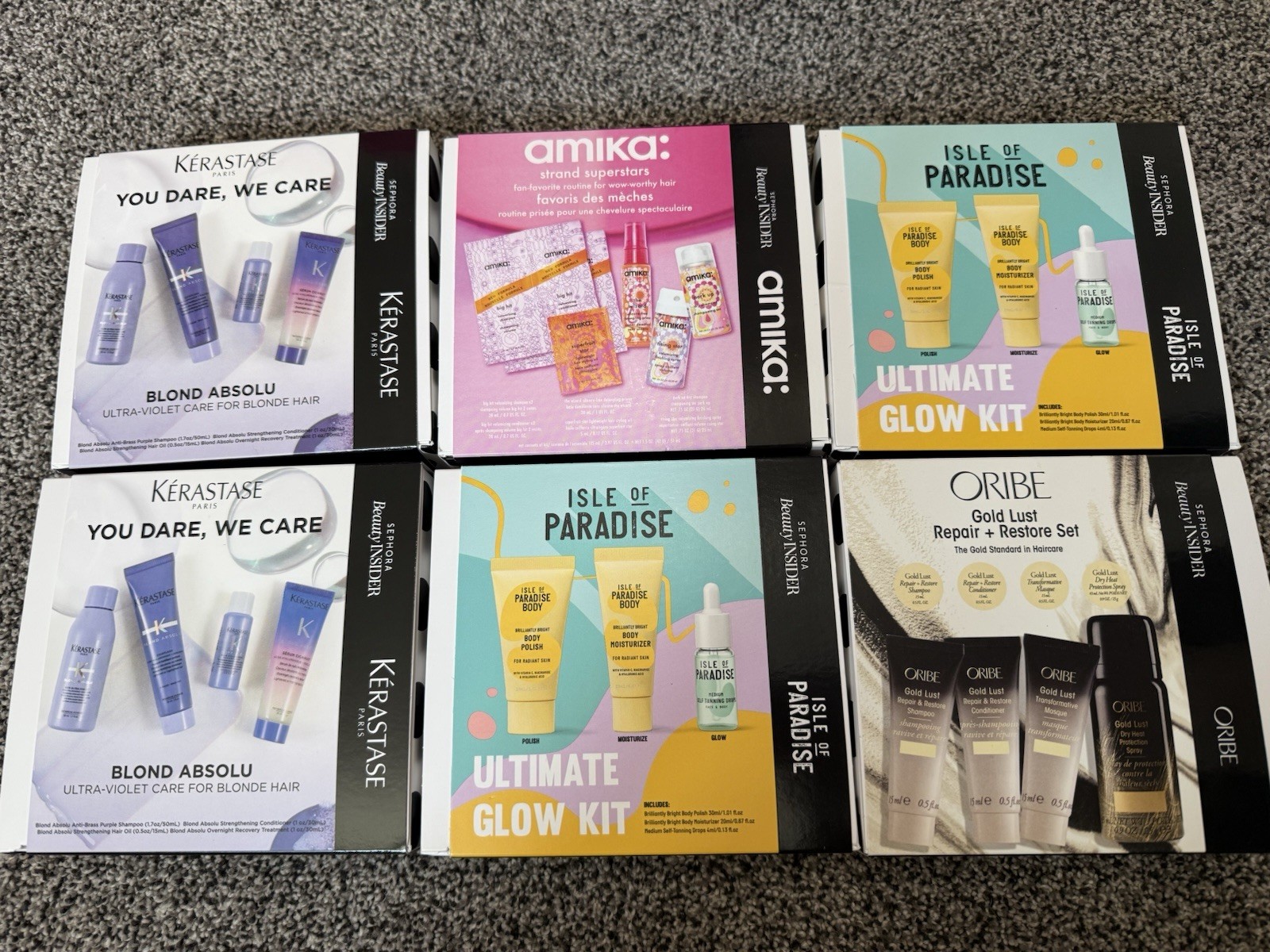


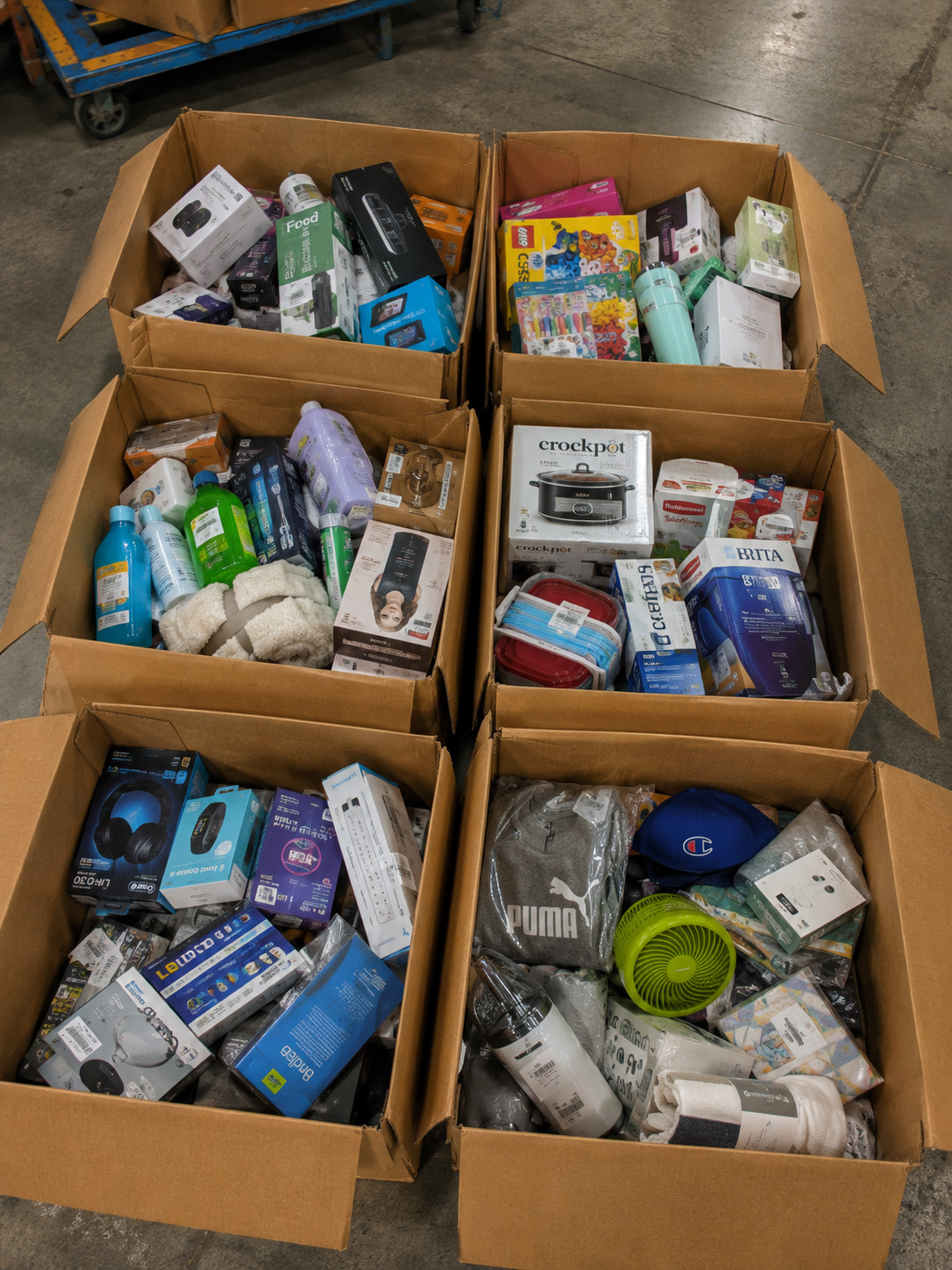

eBay links are affiliate links: JunkPal may earn a commission at no cost to you.