What does “gross profit” mean?
What it means
Gross profit is the revenue received from a sale minus the direct cost of acquiring the item. In collecting, this calculation isolates the inherent value margin before overhead. The mainstream equivalent is Gross Profit Margin (GPM). It excludes secondary costs such as shipping materials, listing fees, or platform commissions. For resellers, it measures the immediate return on the initial investment (Cost of Goods Sold or COGS). A high gross profit indicates the item's market value significantly exceeds its acquisition cost.
What it does to price
Gross profit dictates the necessary markup. The target markup is determined by the perceived scarcity and condition. A common benchmark is aiming for a 100% to 300% markup over COGS, depending on the item's rarity tier. For example, if a sealed, mint-condition trading card was acquired for \$10 (COGS), a target gross profit might require selling it for \$30 to \$40. Factors pushing the price up include verifiable provenance or limited print runs. Factors pushing it down include common variants or visible wear.
How to spot it
Spotting potential gross profit hinges on accurate COGS tracking and condition assessment. Verify edition numbers and print runs against established databases. For collectibles like comics or vintage toys, request high-resolution photos showing corner integrity and spine stress. Common errors include misidentifying an early print run as a later, more common one, which drastically lowers potential profit. Always confirm the item is what the seller claims it is before finalizing the purchase.
Buying smart
Paying a premium is justified when the item offers disproportionate scarcity or demonstrable, verifiable condition improvement over the asking price. If an item is listed at 1.5x its known market value but comes with guaranteed authentication paperwork, the premium is often warranted. A fair deal typically sees the final purchase price fall within 1.2x to 1.5x the established average secondary market price for that specific grade. Paying significantly more than 1.5x without exceptional added value is usually a loss leader.
Selling smart
Proving the item's condition and authenticity directly inflates the achievable gross profit. A listing that explicitly states "PSA Graded 9" or "Factory Sealed, Unopened" commands a higher price than a listing stating "Used, Good Condition." The single most impactful addition to a listing is a clear, high-resolution photo of the item's identifying mark or certification label. This documentation shifts the sale from a speculative transaction to a documented asset transfer, enabling the seller to capture the premium associated with verified quality.
On eBay right now
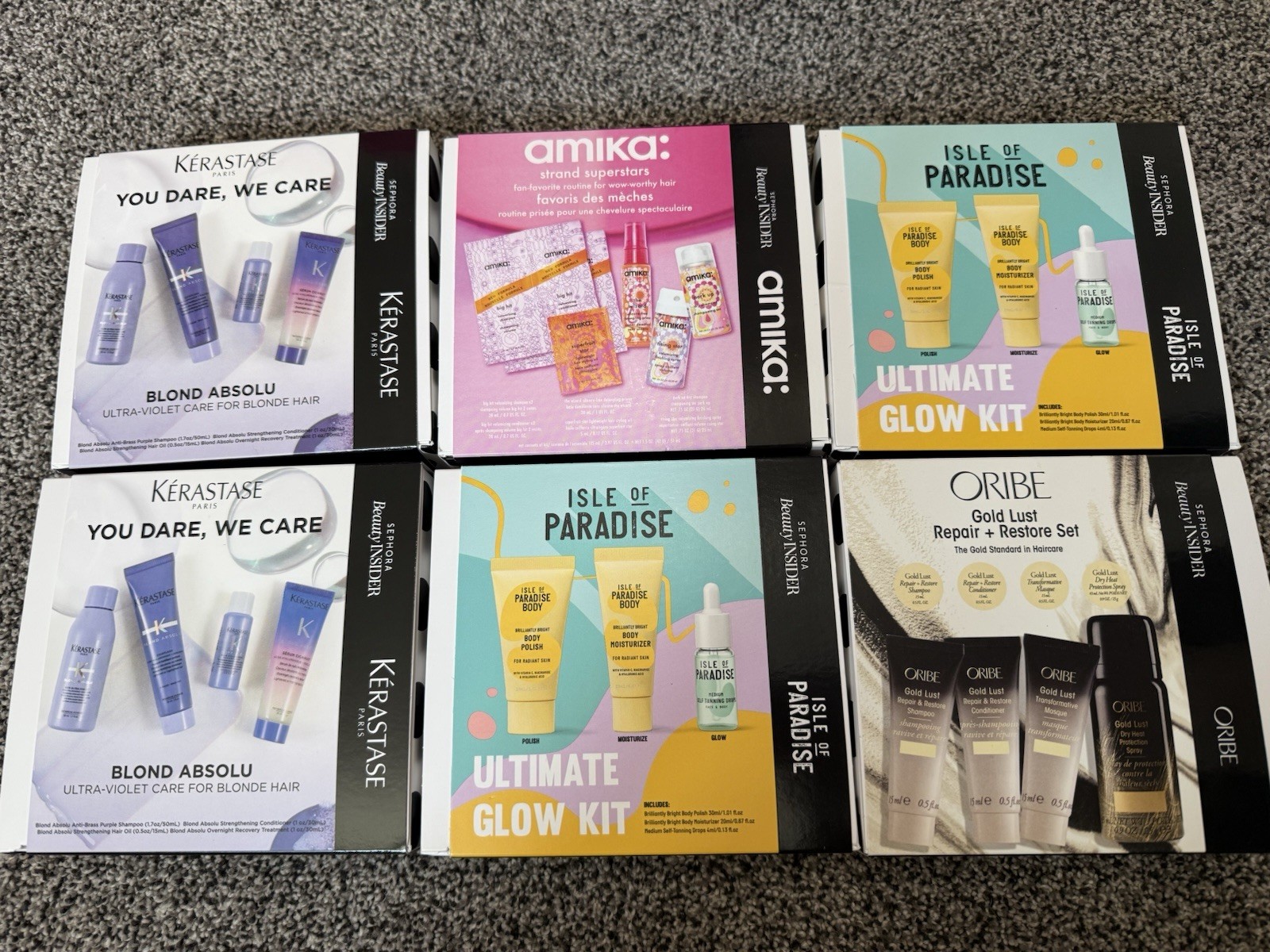
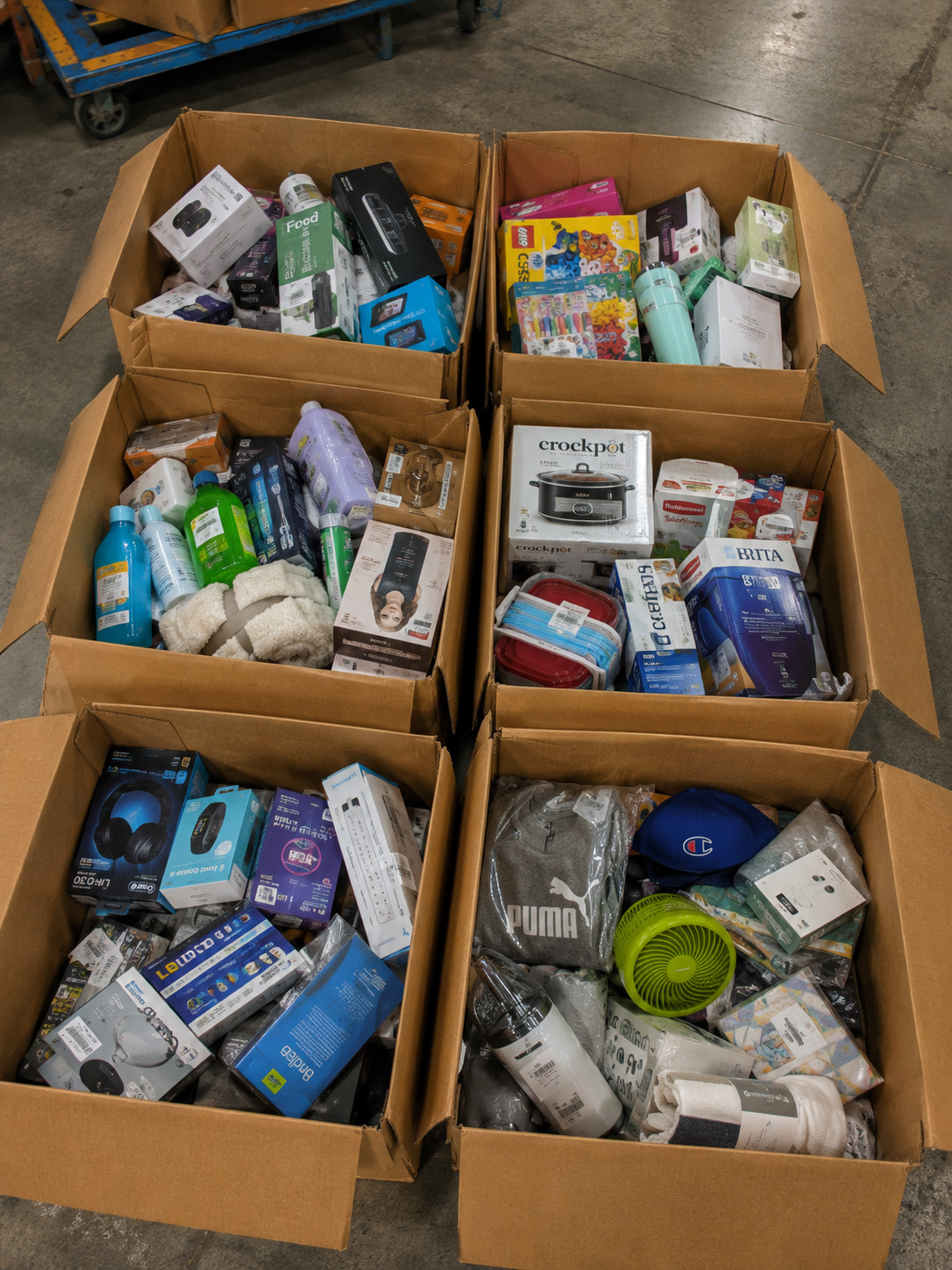
Current asking prices from live listings — not sold-comp medians.


eBay links are affiliate links: JunkPal may earn a commission at no cost to you.