What does “garage sale haul” mean?
What it means
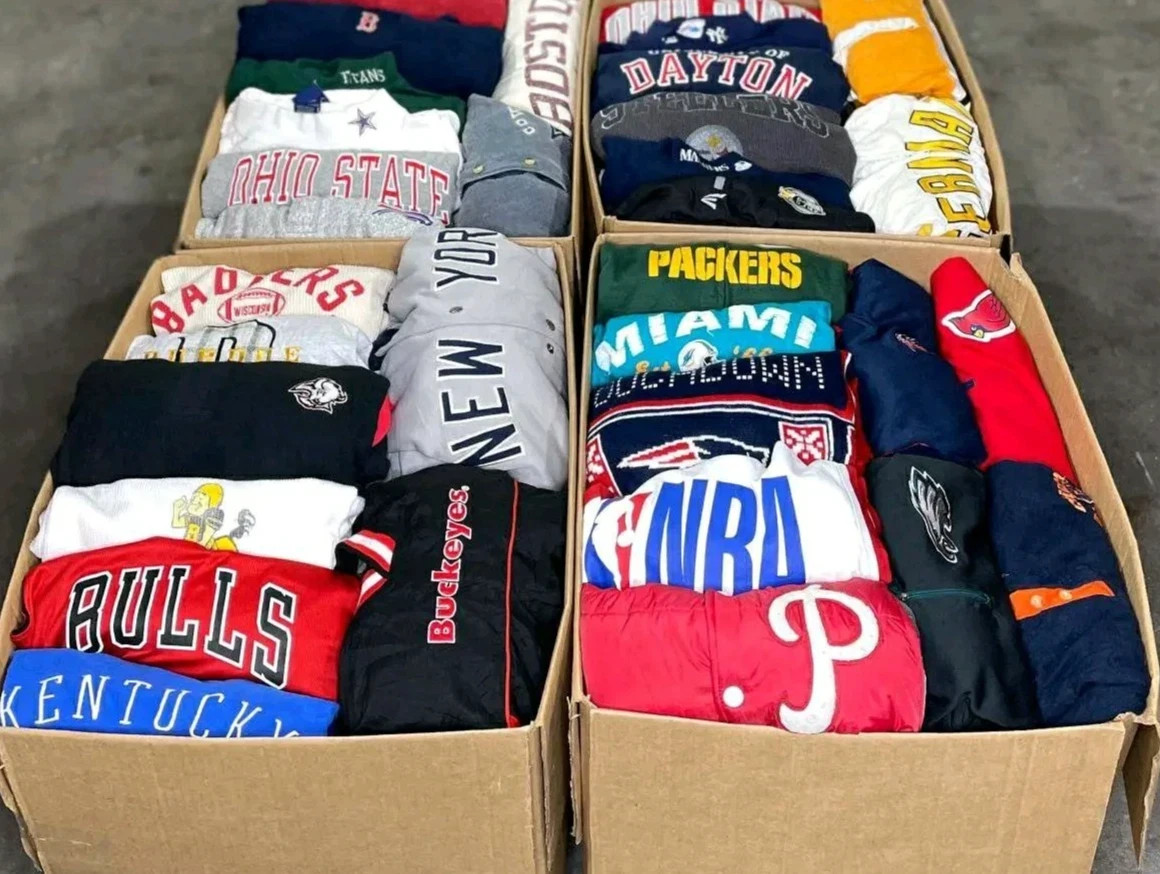
A garage sale haul is a bulk acquisition of goods sourced from a private, local yard or garage sale. In the collecting niche, it is the raw inventory gathered from these low-overhead liquidation events. It is distinct from estate sales, which are typically more curated, or flea markets, which involve more direct vendor interaction. The primary value driver is the acquisition cost—items are priced for quick, bulk turnover, not collector value. The term describes the *source* of the inventory, not the item itself.
What it does to price
The acquisition cost of a haul is near zero, which sets the baseline for potential profit. Individual item pricing is highly volatile. A common, mass-market item acquired for \$1 can sell for \$5-\$15 if it is a desirable brand or vintage piece. Conversely, a bulk lot of unvetted, common items might only recoup 10-20% of the initial time investment. Condition is the primary price determinant. A mint-condition, verifiable vintage item pulled from a haul might fetch 2x to 4x its initial purchase price. A heavily damaged or incomplete piece will sell for 10-25% of its potential value.
How to spot it
The tells are often in the presentation: items are usually unsorted, grouped by general type (e.g., "kitchenware," "books"), and lack professional photography. Sellers often lack knowledge of the items' true market value. To vet, request specific details: original packaging, manufacturing dates, or serial numbers. Common honest mistakes include misidentifying a mid-tier item as rare. Fakes are less common in true garage sales than in specialized markets, but look for modern reproductions of vintage logos or branding. If the item appears too pristine for its stated age, skepticism is warranted.
Buying smart
Paying a premium for a haul is only justifiable when the inventory volume is high and the initial vetting time is low. This applies when the seller is moving massive quantities of unknown goods rapidly. It is not worth it if the haul is small and requires extensive, specialized research per item. A fair deal involves an aggregate cost per item that allows for a minimum 300% markup after cleaning and listing fees. If the average item cost exceeds 15% of its estimated low-end resale value, the acquisition is likely poor.
Selling smart
Listing items acquired via a haul requires immediate transparency regarding condition. Highlighting the *provenance*—"Found at local estate sale"—can sometimes add a narrative appeal, but this is secondary to condition verification. The single most valuable element in a listing is high-resolution photography taken in bright, natural light. This proves the item's actual state, mitigating buyer risk. A clear photo showing any flaws (scratches, fading) earns trust, which allows for a higher final sale price than a listing that hides defects.
On eBay right now
Current asking prices from live listings — not sold-comp medians.



eBay links are affiliate links: JunkPal may earn a commission at no cost to you.