What does “full set watch” mean?
What it means
A "full set watch" is a timepiece accompanied by all original manufacturer-supplied components. This goes beyond just the watch itself. The set must include the original presentation box, all accompanying documentation (warranty cards, instruction manuals, guarantee papers), and any original accessories supplied at the time of purchase, such as extra straps or booklets. This concept is the mainstream equivalent of "complete packaging" or "original box and papers." The presence of these items establishes provenance—a verifiable history of ownership and care—which is critical for high-value collecting. Missing even one significant component, like the original box, moves the item into a lower valuation tier.
What it does to price
Completeness acts as a significant value multiplier. A watch sold as a full set typically commands a premium ranging from 15% to 40% over the same watch sold loose (without the box or papers). For example, a mid-tier vintage watch might sell for $2,500 loose, but if presented as a full set with all papers, it could realistically achieve $2,900 to $3,500. Factors that push the price higher include pristine condition of the box (no crushing, fading) and the presence of factory seals on documentation. Missing the original papers, even if the watch is flawless, can result in a price reduction of 20% or more.
How to spot it
Verification requires detailed inspection of the packaging and paperwork. Look for matching serial numbers between the watch movement, the warranty card, and the box label—this confirms authenticity and linkage. Sellers must provide high-resolution photographs of the exterior and interior of the box, as well as clear images of all included paper documentation. Common honest mistakes include sellers including aftermarket straps or generic storage pouches instead of the original manufacturer's items. Watch out for reproductions; high-quality fakes often replicate the watch but use generic or modern-looking documentation that lacks the specific print quality or paper stock of the era.
Buying smart
Paying the premium for a full set is justified when the watch is a high-value, investment-grade piece (typically $5,000+). For entry-level or lower-value watches, the premium may not justify the added cost, as the marginal increase in resale value might not cover the extra expense. A fair deal involves the asking price reflecting the documented condition of the set, not just the watch. If a seller claims "full set" but only provides photos of the watch, the price should be discounted until the box and papers are verified.
Selling smart
Listing a watch as a "full set" immediately targets serious collectors willing to pay a premium for completeness. The single most effective element in a listing is a photograph showing the watch *inside* the original box, with the accompanying paperwork visible next to it. Use the term "Complete Set" or "Full Set" in the title. This designation allows the seller to anchor the price at the higher end of the market bracket, directly capitalizing on the buyer's desire for provenance and assurance of authenticity.
On eBay right now
Current asking prices from live listings — not sold-comp medians.


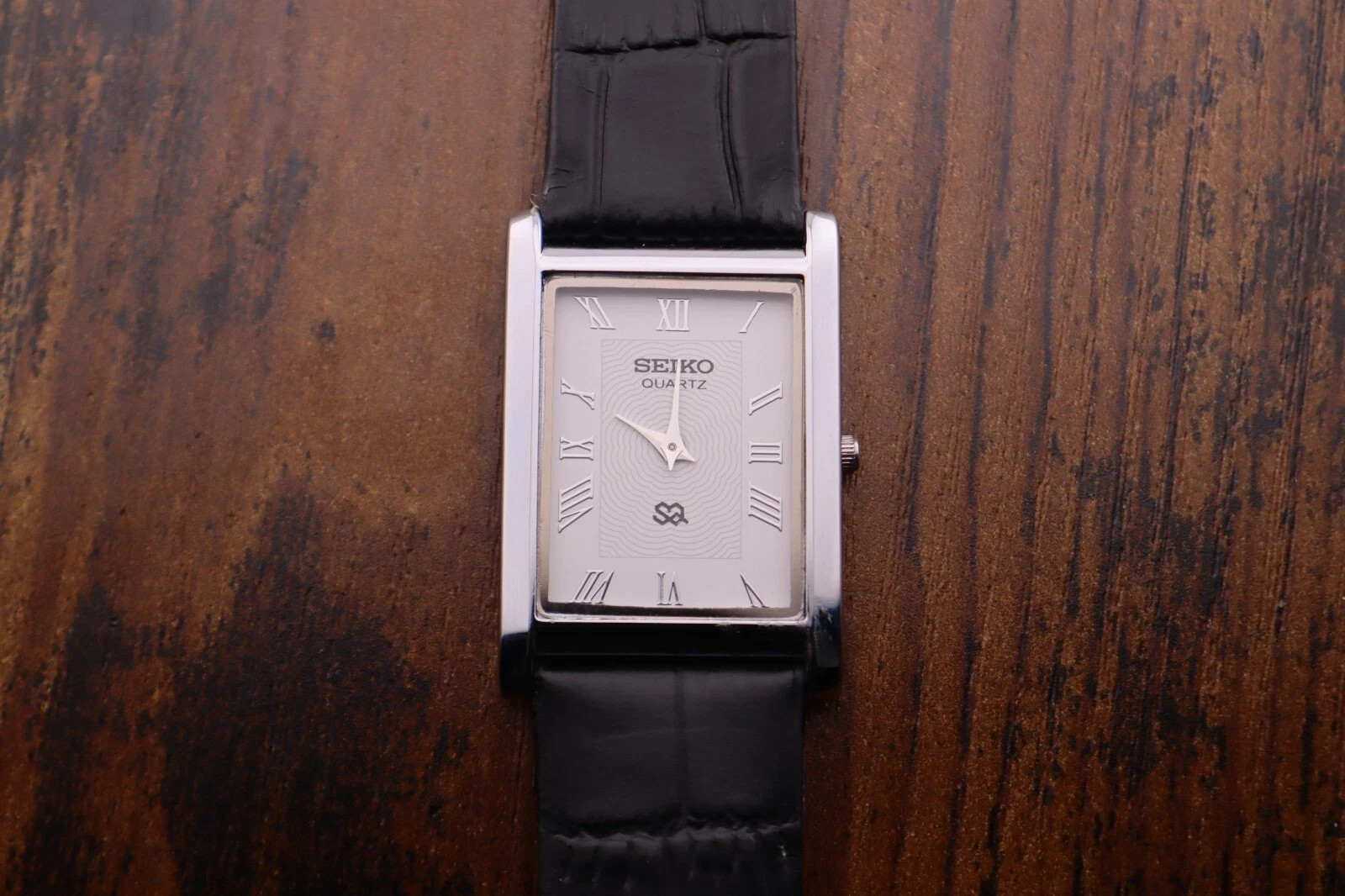
eBay links are affiliate links: JunkPal may earn a commission at no cost to you.