What does “dropshipping supplier” mean?
What it means
A dropshipping supplier is a wholesale vendor that holds inventory and ships items directly to the end consumer after a sale is made by the reseller. The reseller acts purely as a digital storefront, marketing the product without ever possessing the physical stock. This model bypasses the need for the reseller to purchase, store, or manage fulfillment logistics. In the collecting niche, this term applies when the reseller is sourcing items from a bulk or third-party distributor rather than acquiring them directly from the primary manufacturer or established secondary market auction houses. The mainstream equivalent is simply "third-party fulfillment."
What it does to price
Dropshipping sourcing generally forces a higher base cost compared to direct wholesale or auction purchases. Expect the initial acquisition cost to be 20% to 40% higher than what a reseller could achieve by buying in bulk directly from a primary distributor. Markup potential is constrained because the reseller must account for the supplier's operational overhead and potential shipping delays. For example, if a rare comic book is sourced through a dropshipping channel for $50, the reseller might list it for $85 to cover the inflated sourcing cost and maintain a reasonable margin, whereas a direct purchase might allow a $110 listing.
How to spot it
The tells are found in the product description and shipping documentation. Sellers using this model often lack detailed provenance information. Look for vague descriptions regarding inventory handling or "direct from warehouse" claims without specific lot numbers or batch identifiers. When requesting photos, ask for packaging details—if the packaging appears generic or inconsistent across multiple listings, it suggests fulfillment is outsourced. Common honest mistakes include mismatched protective sleeves or inconsistent box quality. Fakes are less common in the dropshipping model unless the supplier is knowingly distributing counterfeit goods; the risk here is logistical failure, not necessarily counterfeiting.
Buying smart
Paying a premium for dropshipped items is justifiable only when the product is extremely niche, high-demand, or otherwise unavailable through traditional channels. If the item is common or has established secondary market pricing, the added risk and cost of the dropshipping model outweigh the benefit. A fair deal involves a sourcing cost that is within 15% of the established market average for that item, plus a reasonable shipping fee. If the supplier cannot provide clear tracking or a defined return policy, the deal is too risky.
Selling smart
Proving the item’s authenticity and condition is paramount when selling items sourced this way. Since the reseller cannot physically inspect the item before listing, the listing must compensate for that lack of control. The single most valuable addition to a listing is a high-resolution photo of the item *as it is packaged* by the supplier, showing the manufacturer’s identifying mark or serial number clearly. Using the phrase "Directly sourced via verified vendor" adds credibility, but the photo substantiates the claim, allowing the reseller to command a price closer to direct market rates rather than the inflated dropshipping acquisition cost.
On eBay right now
Current asking prices from live listings — not sold-comp medians.


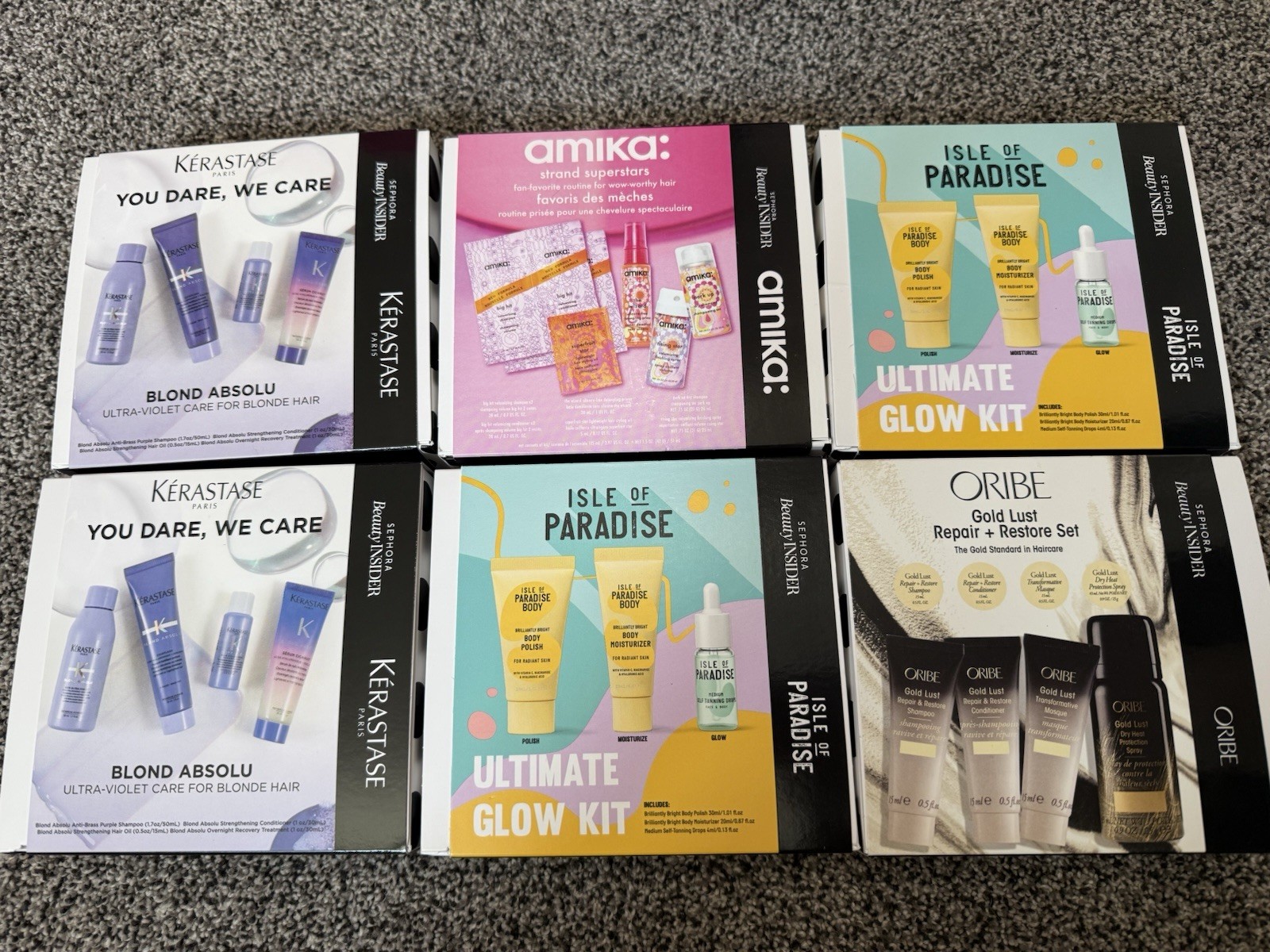

eBay links are affiliate links: JunkPal may earn a commission at no cost to you.