What does “dropship supplier” mean?
What it means
A dropship supplier is a vendor that manages the physical inventory but does not hold it for the reseller. When a reseller sells an item, the supplier ships the product directly to the end buyer. This model bypasses the need for the reseller to purchase, store, or ship the goods. For collectors and resellers, this is a sourcing method, not a product type. The key distinction is that the reseller acts as the storefront and marketer, while the supplier handles fulfillment. The risk shifts from inventory holding costs to fulfillment reliability.
What it does to price
The pricing structure is heavily dependent on the supplier's markup and fulfillment overhead. Because the reseller is absorbing the risk of the sale without holding stock, the initial cost of goods sold (COGS) from a dropship supplier is typically higher than direct wholesale. Expect a minimum 25% markup on the supplier's base price to cover marketing, platform fees, and risk. If a direct wholesale cost is \$50, a dropship price might start around \$65–\$75. Quality variance dictates the final price; a reliable supplier offering authenticated, high-grade items commands a premium over a low-cost, unverified source.
How to spot it
Identifying a dropship relationship requires looking past the product listing itself. The primary tell is the fulfillment process. If a seller claims they do not hold stock but the product arrives with generic, non-branded packaging or shipping labels that do not match the seller's own branding, it suggests dropshipping. Sellers using this model often list items with minimal, generic photos provided by the supplier. Always request high-resolution, specific photos of the item's unique identifiers—serial numbers, edition stamps, or specific wear points—before purchase. If the supplier cannot provide clear, verifiable proof of authenticity upon request, the risk is too high.
Buying smart
Paying a premium for a dropshipped item is justified only when the supplier offers verifiable guarantees: authentic certification, rapid shipping (under 3 business days), and a clear return policy backed by the supplier. This is appropriate for high-demand, low-volume niche items where securing inventory is difficult. It is not worth the premium for common, easily sourced items where a local or direct wholesale purchase is possible. A fair deal involves a supplier cost that allows for at least a 30% margin after factoring in platform fees and potential return costs.
Selling smart
When selling an item sourced via dropship, transparency regarding the fulfillment process is critical for managing buyer expectations. Listing the item as "Direct Fulfillment" or "Ships from Supplier" is necessary. The single most important element to earn a premium is providing documentation of the item's origin or authenticity, even if the supplier provided it. A photograph of a certificate of authenticity, or a clear note stating, "Sourced via vetted supplier, authentic," justifies a higher price point compared to an unverified listing. Buyers pay more for certainty, not just the item itself.
On eBay right now
Current asking prices from live listings — not sold-comp medians.


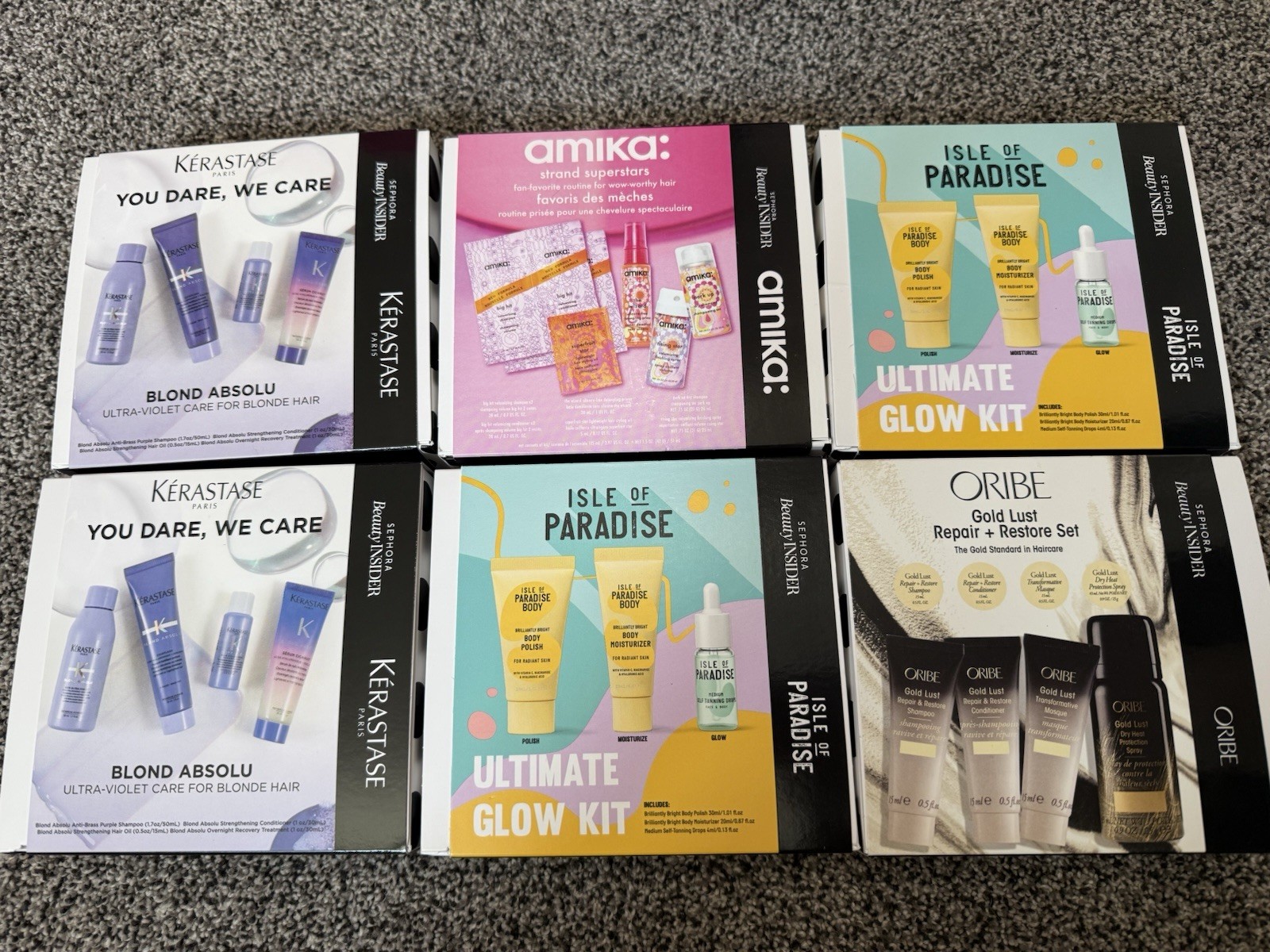

eBay links are affiliate links: JunkPal may earn a commission at no cost to you.