What does “drop shipping” mean?
What it means
Drop shipping, in the context of collectible reselling, refers to the practice of listing high-value items online without possessing the physical stock. The seller acts as a digital storefront. When a sale occurs, the order details are passed to a third-party vendor—often a bulk distributor or manufacturer—who handles the packaging and direct shipment to the final buyer. This is functionally identical to standard e-commerce fulfillment but is applied to items that require authentication or specialized handling. The primary risk is the lack of direct quality control over the item's journey from warehouse to buyer.
What it does to price
Drop shipped items generally command a discount compared to items sourced directly by the reseller. The lack of inventory control introduces fulfillment risk, which buyers factor into the price. A direct, verified, in-hand item typically sells for 1.2x to 1.8x the price of a comparable drop-shipped listing. If the supplier is known to have slow shipping (e.g., 3-4 week lead times), the price can drop an additional 10-15% to compensate for the wait. Conversely, if the supplier is highly reputable and offers guaranteed 2-day shipping, the price premium might be negligible.
How to spot it
The tell is often in the listing description itself, frequently using phrases like "Shipped direct from warehouse," "Vendor fulfillment," or "Third-party dispatch." Physically, look for packaging inconsistencies. If the item arrives in generic, unbranded protective mailers rather than branded collector boxes or specialized shipping materials, it suggests drop shipping. When inquiring, ask for photos of the item *in its packaging* before shipping, not just the item itself. A seller unwilling to provide these photos is hiding the fulfillment method.
Buying smart
Paying a premium for a drop-shipped item is only justifiable if the item's provenance or condition is absolutely critical and the seller has provided verifiable proof of the item's authenticity *before* the sale. If the item is common or easily verifiable, the risk associated with unknown fulfillment logistics outweighs the potential savings. A fair deal involves a price that is within 10% of the known market rate for in-stock inventory, provided the shipping timeline is clearly stated and reasonable (under 7 days).
Selling smart
To mitigate the perceived risk of drop shipping and command a higher price, the listing must aggressively address fulfillment concerns. The single most effective addition is a detailed, professional photo showing the item alongside the supplier's shipping label or packing slip (with identifying details blurred). Alternatively, a simple, bolded statement like "Verified Inventory Held Locally" or "Directly Inspected Before Shipment" signals control and mitigates buyer anxiety, often allowing the seller to charge 5-10% more than a standard drop-shipped listing.
On eBay right now
Current asking prices from live listings — not sold-comp medians.


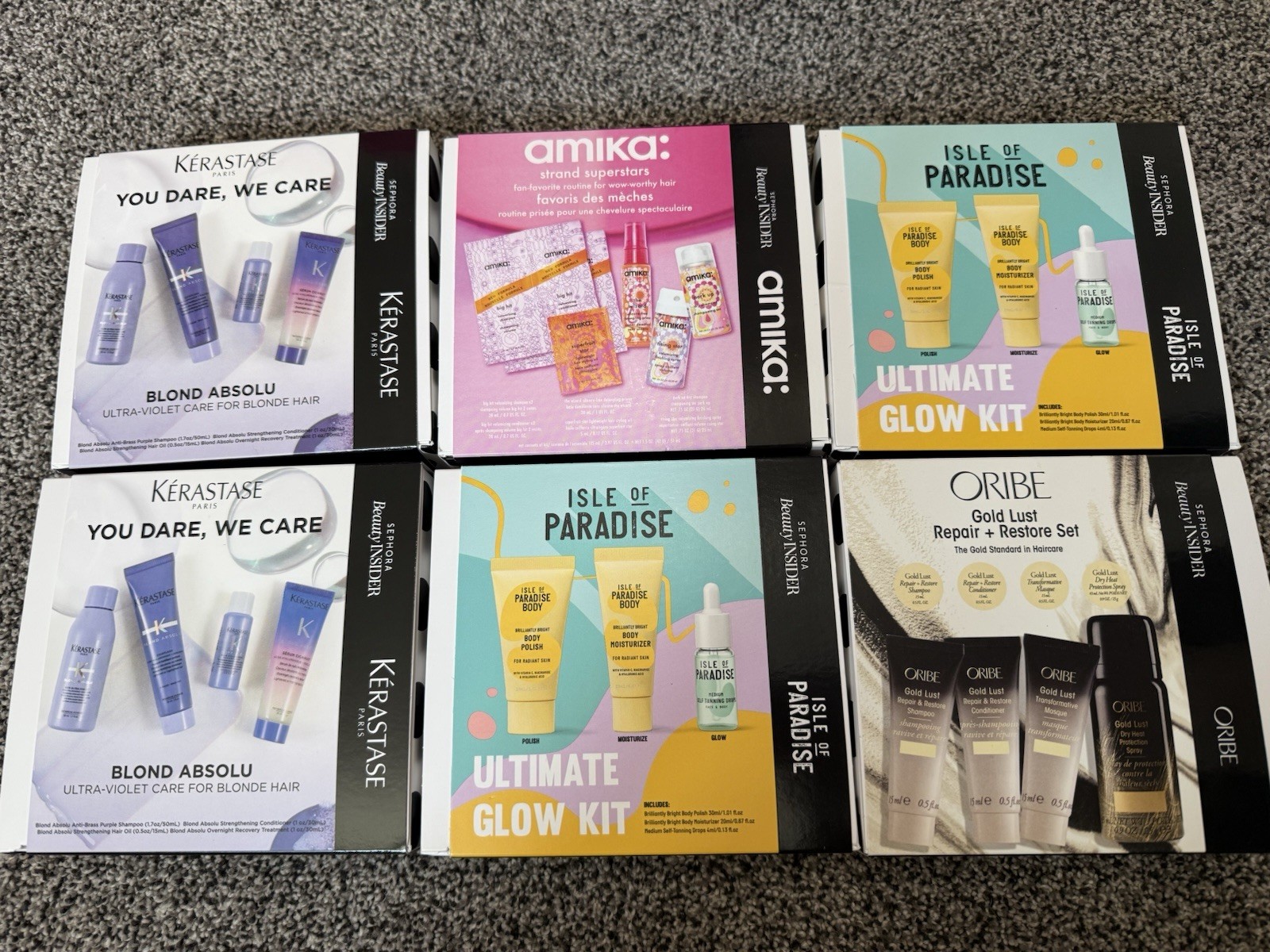

eBay links are affiliate links: JunkPal may earn a commission at no cost to you.