What does “direct purchase” mean?
What it means
Direct purchase is acquiring an item straight from the originator or primary owner. This bypasses established market channels such as auction houses, large retail distributors, or secondary market dealers. The source is typically a private individual, an estate liquidation, or the original artisan/creator. In collecting terms, this is the most direct chain of custody possible. The mainstream equivalent is "primary source acquisition," but in the collecting niche, it specifically denotes the absence of a known intermediary sale history.
What it does to price
Direct sourcing can create a significant pricing advantage or disadvantage depending on the item's condition and scarcity. If the item is rare and the direct seller is the original creator, the price premium for verified provenance can range from 1.2x to 2.5x the established secondary market average. Conversely, if the direct seller is an estate liquidator with no documentation, the price might be lower, but the risk premium is higher. For example, a documented, direct purchase of a limited-edition print might command $800, whereas an identical copy acquired through a general dealer might sell for $550.
How to spot it
The tell is the seller's relationship to the item's origin. Look for specific details: original packing materials, signed certificates of authenticity (COAs) issued by the maker, or correspondence linking the seller to the production period. When dealing with a private seller, request high-resolution photos of the item's underside, any serial numbers, and any manufacturing stamps. Common pitfalls include "re-certified" items—where a third party claims authenticity without original documentation—and estate sales where items are mixed with unrelated inventory, obscuring provenance.
Buying smart
Paying a premium for a direct purchase is justifiable when the item's authenticity or historical context is critical to its value (e.g., early prototypes, signed works). It is not worth the premium if the item is common stock or if the seller cannot provide any verifiable paper trail beyond a verbal claim. A fair deal involves the initial asking price being within 15-25% of the established secondary market value, provided the documentation provided is robust and verifiable.
Selling smart
When selling an item acquired via direct purchase, the documentation is the primary value driver. Listing the item as "Directly Sourced from Creator" or "Original Owner Acquisition" immediately signals superior provenance. The single most effective element in a listing is a clear, high-resolution photograph of the item alongside its accompanying documentation (e.g., the COA or receipt). This verifiable link allows the seller to command a 10-20% premium over listings that lack a clear chain of custody.
On eBay right now
Current asking prices from live listings — not sold-comp medians.


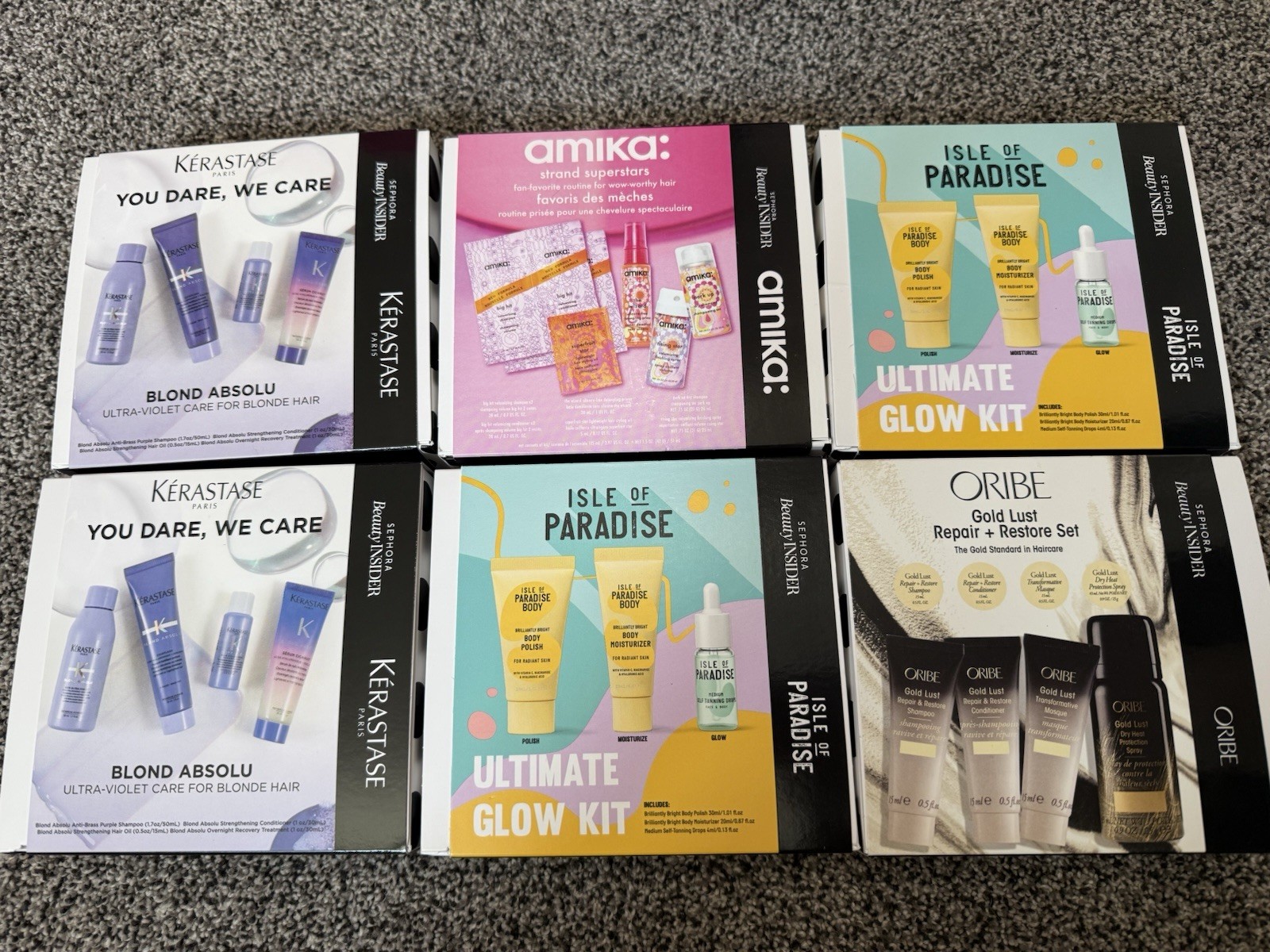

eBay links are affiliate links: JunkPal may earn a commission at no cost to you.