What does “dial vintage aesthetic” mean?
What it means
"Dial vintage aesthetic" refers to a deliberate design choice on a modern watch face that mimics the visual characteristics of older, pre-owned timepieces. This is not the same as a true vintage watch; the movement and case are contemporary. The aesthetic is achieved through specific design elements: typeface selection (e.g., thin, serif fonts common in the 1950s), color palettes (e.g., muted, sun-faded dials), and applied distressing or patina simulation. The mainstream equivalent is "homage" or "retro design," but the term emphasizes the *look* of age rather than just the *style*.
What it does to price
The aesthetic acts as a value multiplier, especially in the entry-to-mid-level segment. A high-quality execution of this aesthetic can push a modern watch's resale value 1.5x to 3x above a clean, contemporary counterpart. Factors driving price up include the subtlety of the aging—a simulated patina that looks earned, not slapped on. A poorly executed dial, where the aging looks artificial or muddy, can decrease perceived value by 20-40%. For example, a clean, modern white dial might sell for $300; the same watch with a convincing, subtle aged patina could fetch $450-$500.
How to spot it
Look closely at the application of the "age." Genuine quality involves subtle variations in the finish, not heavy, uniform distressing. Check the print quality of the numerals and hands; high-end homages maintain crisp printing despite the aged appearance. Ask sellers for close-up macro shots of the dial surface and the indices. Common red flags include overly aggressive "patina" (e.g., heavy discoloration spots that look like mold) or inconsistent application of color fading. Be wary of cheap knock-offs where the font choice is generic rather than historically accurate.
Buying smart
Paying a premium for this aesthetic is justified when the execution is flawless and the underlying watch quality (movement, finishing) is solid. This premium is for the *illusion of history*. Do not pay a premium if the watch is otherwise low-quality; the aesthetic will only mask poor construction. A fair deal involves the aesthetic adding noticeable value (at least 25%) without the base watch being fundamentally flawed. If the watch is cheap and the aesthetic is merely a surface-level print, the premium is not worth the risk.
Selling smart
To maximize profit, the listing must explicitly communicate the quality of the aesthetic execution. Do not just list it as "vintage look." Use terms like "subtle patina simulation," "aged dial finish," or "period-correct aesthetic." The single most effective element is a high-resolution, well-lit macro photograph focusing directly on the dial surface, clearly showing the intended aging without distortion. This photo proves the quality of the execution, allowing the seller to command the higher price bracket associated with premium homages.
On eBay right now
Current asking prices from live listings — not sold-comp medians.
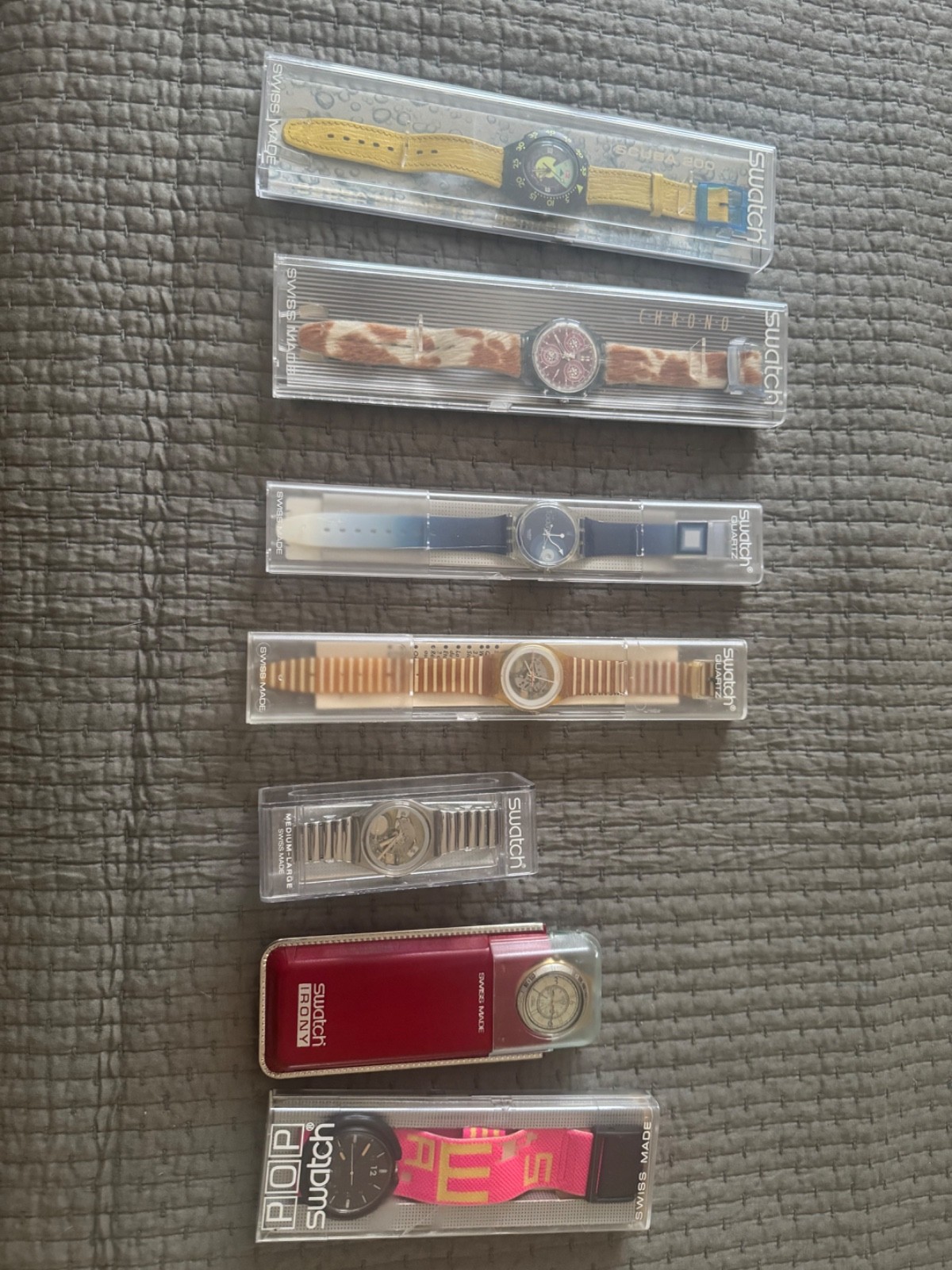


eBay links are affiliate links: JunkPal may earn a commission at no cost to you.