What does “dial signature clarity” mean?
What it means
Dial signature clarity is the visual integrity of the watch face. It measures the sharpness, contrast, and preservation of all printed elements: brand names, model designations, hour markers (indices), and any text (e.g., water resistance ratings). This is not merely about the dial being clean; it is about the *quality* of the print itself. High clarity means the ink is sharp, edges are crisp, and there is no evidence of fading, blurring, or chemical degradation that obscures the original design. In mainstream terms, this is the physical state of the printed graphics. A faded or smudged dial indicates chemical exposure, UV damage, or poor storage, directly affecting perceived authenticity and condition grading.
What it does to price
Dial clarity is a primary determinant of condition grading, directly impacting resale value. A dial with exceptional, factory-sharp clarity commands a premium, often adding 10-25% to the baseline price of a comparable watch. Conversely, noticeable fading, ghosting (where previous markings bleed through), or heavy surface scratches that dull the print can result in a 15-30% depreciation. For example, a clean, sharp dial on a mid-tier vintage piece might sell for $1,200, whereas the same watch with significant ink bleed might settle closer to $950. Clarity differentiates a "Near Mint" grade from a "Very Good" grade.
How to spot it
Inspect the printing under high magnification (10x loupe). Look specifically at the edges of the numerals and text—they should be perfectly defined, not feathered or bleeding. Check for color consistency across the dial; uneven color saturation suggests fading. Common issues include "halo" effects around applied indices, which indicate moisture ingress or poor sealant integrity. Sellers should provide high-resolution, macro shots of the dial, particularly near the hands and bezel interface. Watch out for cheap reproductions where the printing is often slightly soft or uses incorrect font weights.
Buying smart
Paying a premium for perfect dial clarity is justified when acquiring high-value, investment-grade pieces (e.g., vintage Rolex, Patek Philippe). For entry-level or lower-cost watches, the premium must be proportionate; a $50 premium for a slightly sharper dial on a $300 watch is excessive. A fair deal involves the clarity matching the advertised condition grade. If a seller claims "mint" condition, the dial must exhibit flawless, factory-sharp printing. If the dial is visibly worn, the price must reflect that degradation, regardless of the case condition.
Selling smart
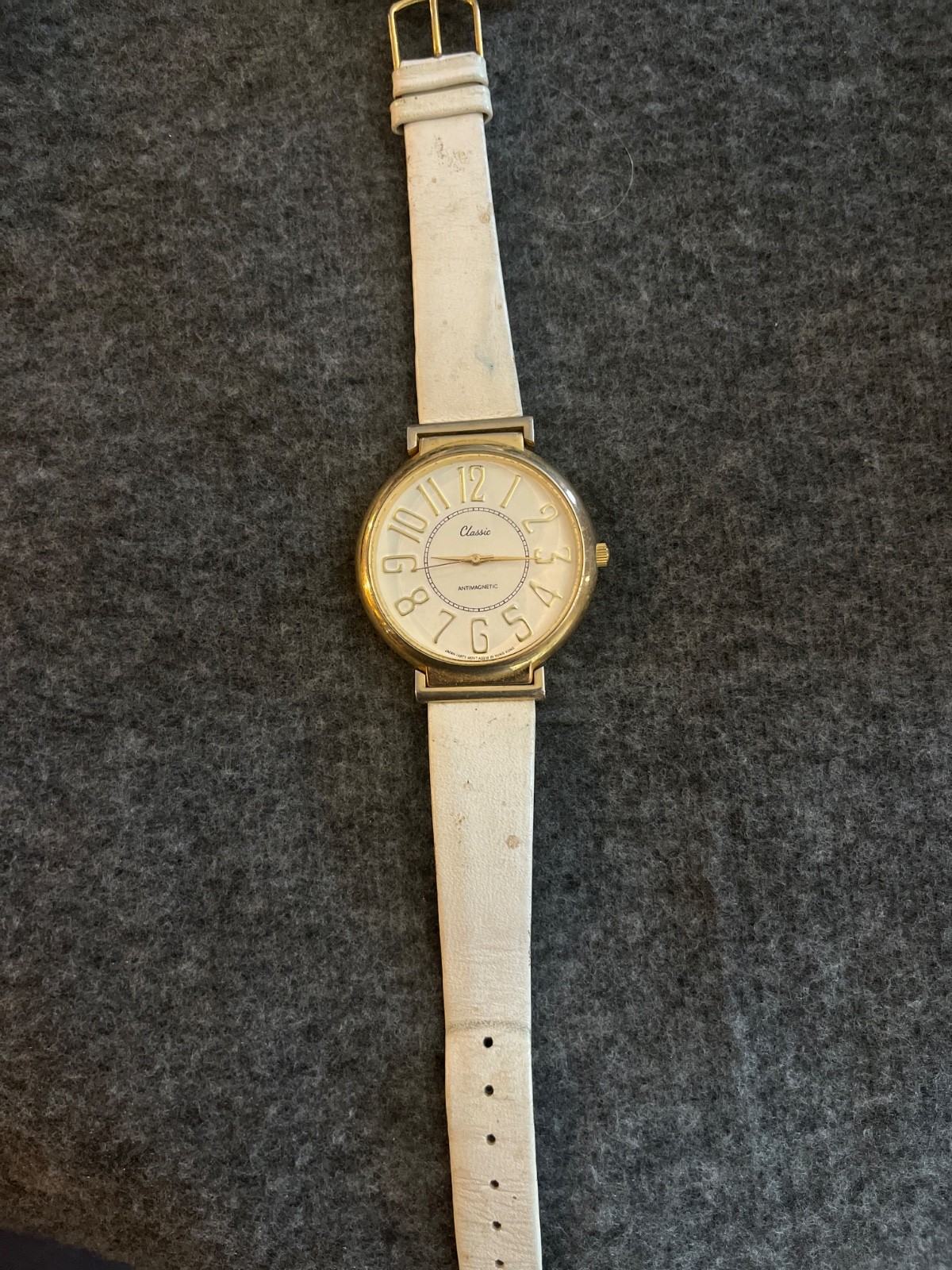
Documenting dial clarity is non-negotiable for maximizing sale price. The listing must include at least one extreme close-up photo of the dial, taken in bright, diffuse light to eliminate glare but maximize print definition. Use descriptive language: instead of "good dial," use "factory-sharp print," "vibrant legibility," or "unfaded signature." This single piece of visual evidence allows the buyer to confirm the quality and justifies the top end of the asking price range.
On eBay right now
Current asking prices from live listings — not sold-comp medians.



eBay links are affiliate links: JunkPal may earn a commission at no cost to you.