What does “dial scratch pattern” mean?
What it means
Dial dial scratch pattern describes the specific morphology of surface abrasions on a watch dial. It is not a single damage classification but a descriptive term for the distribution and depth of wear marks. In the collecting niche, this refers to the visual texture imparted by use. Superficial, fine scratches are often referred to as "patina" and are expected on vintage pieces. Deep, gouging scratches, or areas where the underlying material is exposed, are considered significant cosmetic flaws. The pattern itself—whether random, circumferential, or concentrated near indices—provides insight into the watch's service history. The mainstream equivalent is "dial condition," but "dial dial scratch pattern" demands a granular assessment of the wear texture.
What it does to price
The presence of a desirable, uniform patina can elevate value, often by 10-25% over a piece with no discernible wear, provided the scratches are consistent with age. Conversely, heavy, distracting scratching or chipping can cause a 30-50% reduction in value. For example, a vintage Omega Seamaster with light, consistent hairline scratches might command $500 more than an identical piece with a perfectly preserved, unblemished dial. Deep gouges immediately trigger a significant downward adjustment, often making the piece unsuitable for high-end collectors.
How to spot it
Inspection requires magnification (10x loupe) and directional lighting. Look for scratches that run *through* the applied print or lacquer, as these are deeper. Minor surface scuffs are expected. Common pitfalls include mistaking dust or oxidation spots for scratches. Fakes often feature overly perfect dials; an authentic vintage piece will almost always exhibit some degree of wear pattern. Sellers must provide high-resolution, macro photographs of the dial surface, ideally taken under direct, angled light, to prove the pattern is genuine wear and not post-production damage.
Buying smart
Paying a premium for a dial with a visible, pleasing patina is justified when the scratches are subtle, uniform, and consistent with the watch's claimed age and provenance. This premium is for character, not damage. It is not worth paying a premium for a dial marred by heavy, localized gouges, as this indicates poor handling or aggressive cleaning attempts. A fair deal involves the asking price reflecting the wear: a piece with heavy, distracting scratch patterns should be priced at the lower end of the market range for that model.
Selling smart
When listing, the description must accurately categorize the scratch pattern. Using terms like "light patina" or "consistent vintage wear" attracts buyers seeking character. If the wear is heavy, honesty is paramount; list it as "heavily worn dial" to manage expectations and avoid returns. The single most valuable asset in a listing is a close-up, well-lit photograph focusing solely on the dial surface, clearly showing the pattern. This photo substantiates the description and justifies the asking price range.
On eBay right now
Current asking prices from live listings — not sold-comp medians.
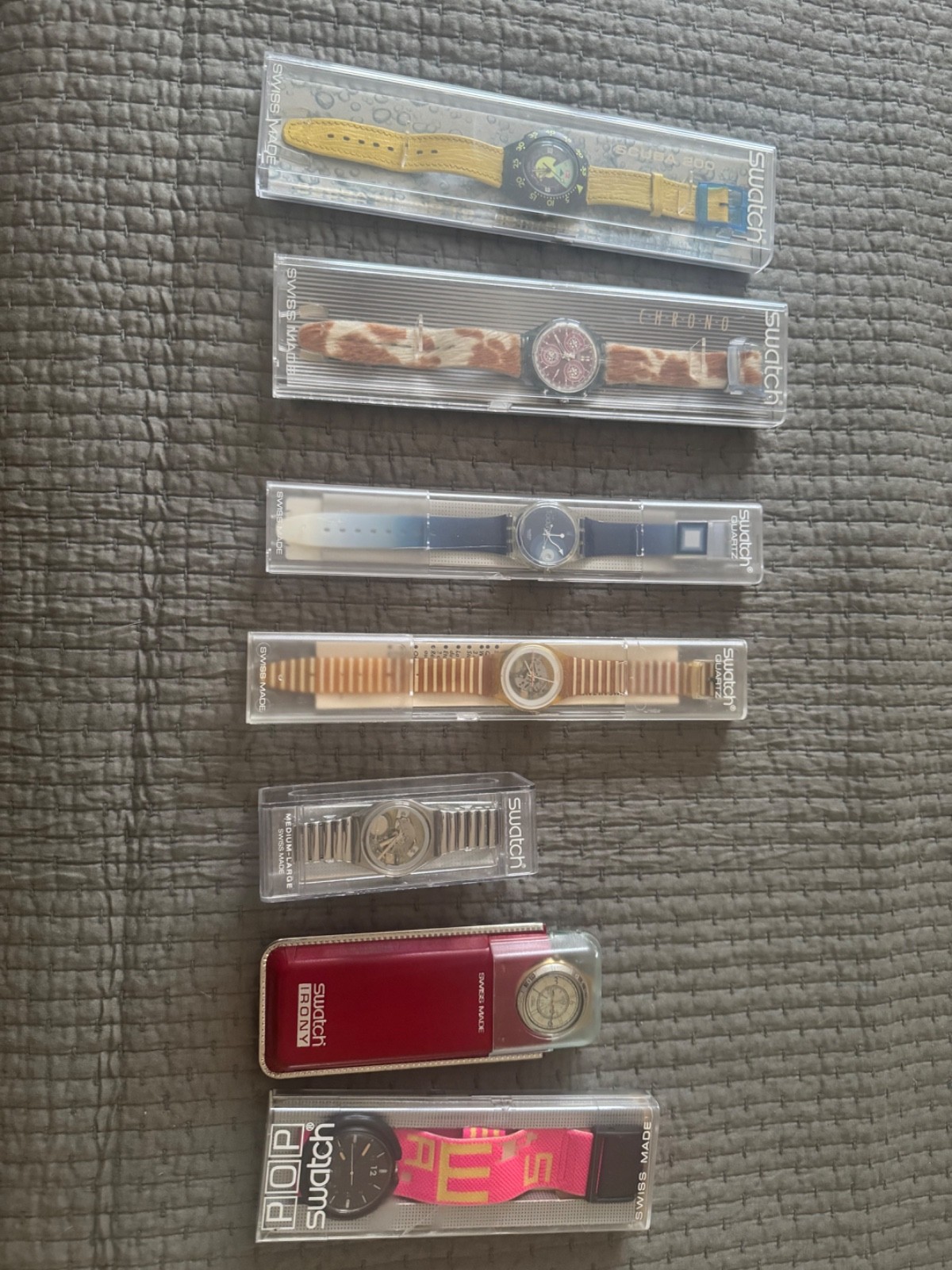


eBay links are affiliate links: JunkPal may earn a commission at no cost to you.